11
11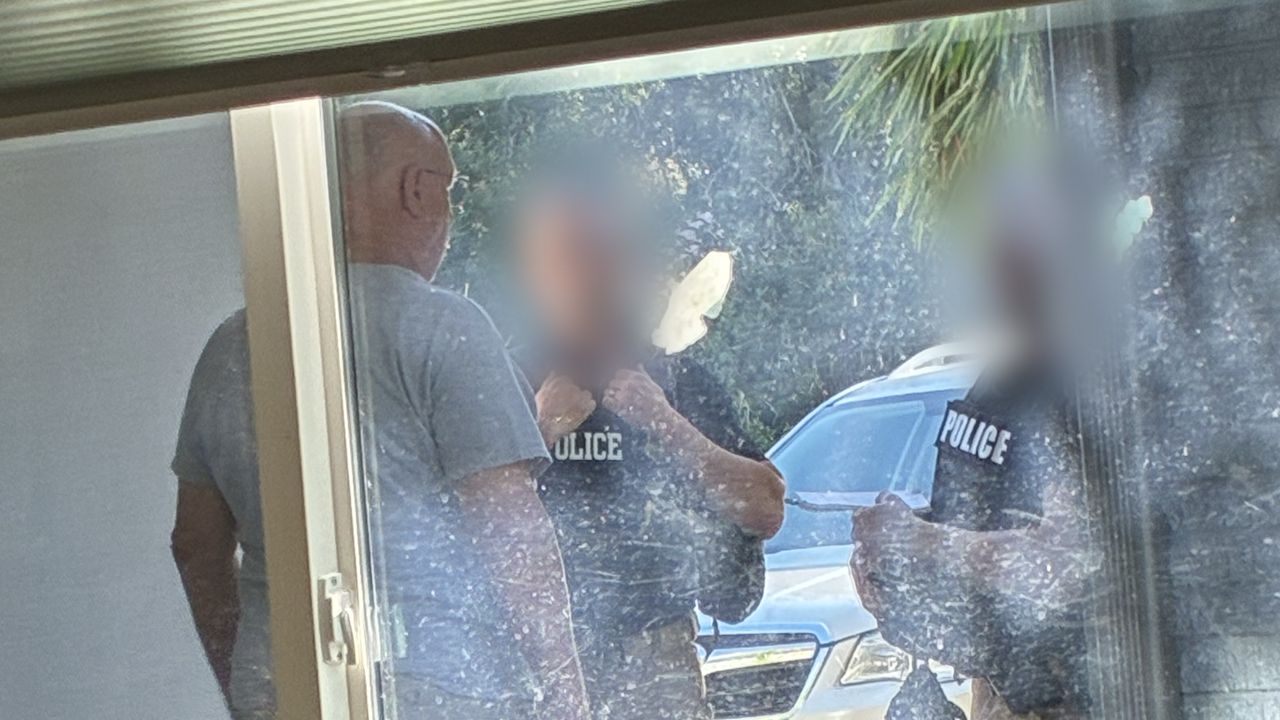
Imagine you mail a silly or critical postcard to a government boss, and a few weeks later, people with guns show up at your door. That’s what happened to James O’Gara in Largo, Florida.
A news team called Spectrum Bay News 9 asked the government for papers about this case using a “public records request” (a way to ask the government to share its files with the public).
Emails from the case show that a leader named Colonel Simon Blank saw the postcard and made a quick choice.
Two weeks later, two armed agents knocked on the O’Garas’ door. Their conversation was recorded.
Important Point: The agents told O’Gara he was NOT in trouble and said they support the First Amendment — a rule in the U.S. that protects your right to speak freely.
Here is a bit of what the detective said at the door in October 2025:
O’Gara later said: “When I discovered it was over a postcard, it was a bit unnerving and upsetting.”
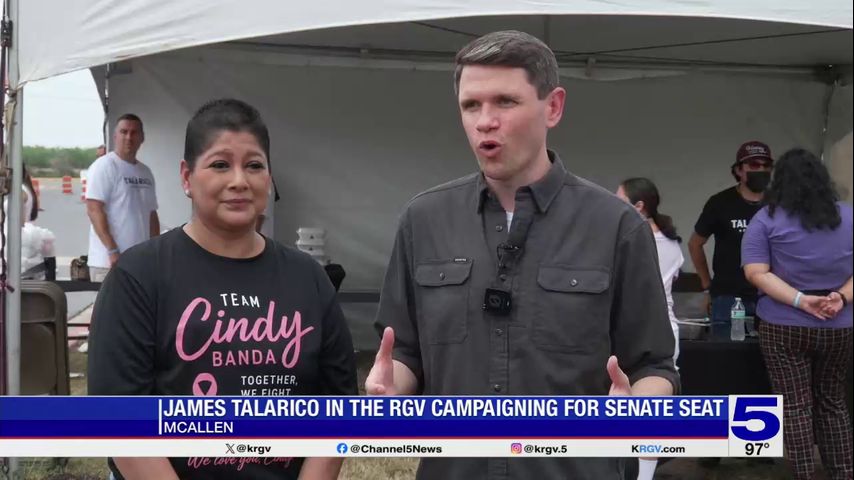
News reporters tried many times to interview Ingoglia but got no answer. So they went to a press event he attended in Lake County to ask him directly.
The O’Garas agreed they don’t share Ingoglia’s views, but said:
Ingoglia said there is a “fine line” (a tricky balance) between keeping officials safe and protecting free speech:
Important Point: “We should always be better safe than sorry, but at the same time also protect free speech.”
The documents later said agents found: “No credible threat directed towards the CFO in this instance.” (That means O’Gara was not actually dangerous.)
After the O’Garas told their story, lots of other people joined in.
James still sends postcards, but says he’ll always wonder if another knock might come.
A man mailed a short, critical postcard to Florida’s CFO. The state sent armed agents to his home four minutes after a boss saw it, citing extra safety worries after a political killing. Papers later said there was no real threat. The family says it felt like intimidation, while the CFO says safety comes first but free speech matters too. Over 340 others mailed the same message in support.
1. What is a “threat assessment”?
It is when officials check if a person might hurt someone or be dangerous. Here, they checked O’Gara after his postcard.
2. Did O’Gara break any law?
No. The agents said he was not in trouble, and the final papers said there was no credible threat. The postcard was protected free speech.
3. Why did so many people send the same postcard?
After the O’Garas spoke publicly, others mailed “You lack values” to show they agreed and to protest the armed visit.
4. What is the First Amendment?
It is part of the U.S. Constitution that lets people speak freely, like mailing a critical postcard to an official.
5. Could this happen again to O’Gara?
He says he will always wonder if agents might return, but the assessment found he was not a threat.