11
11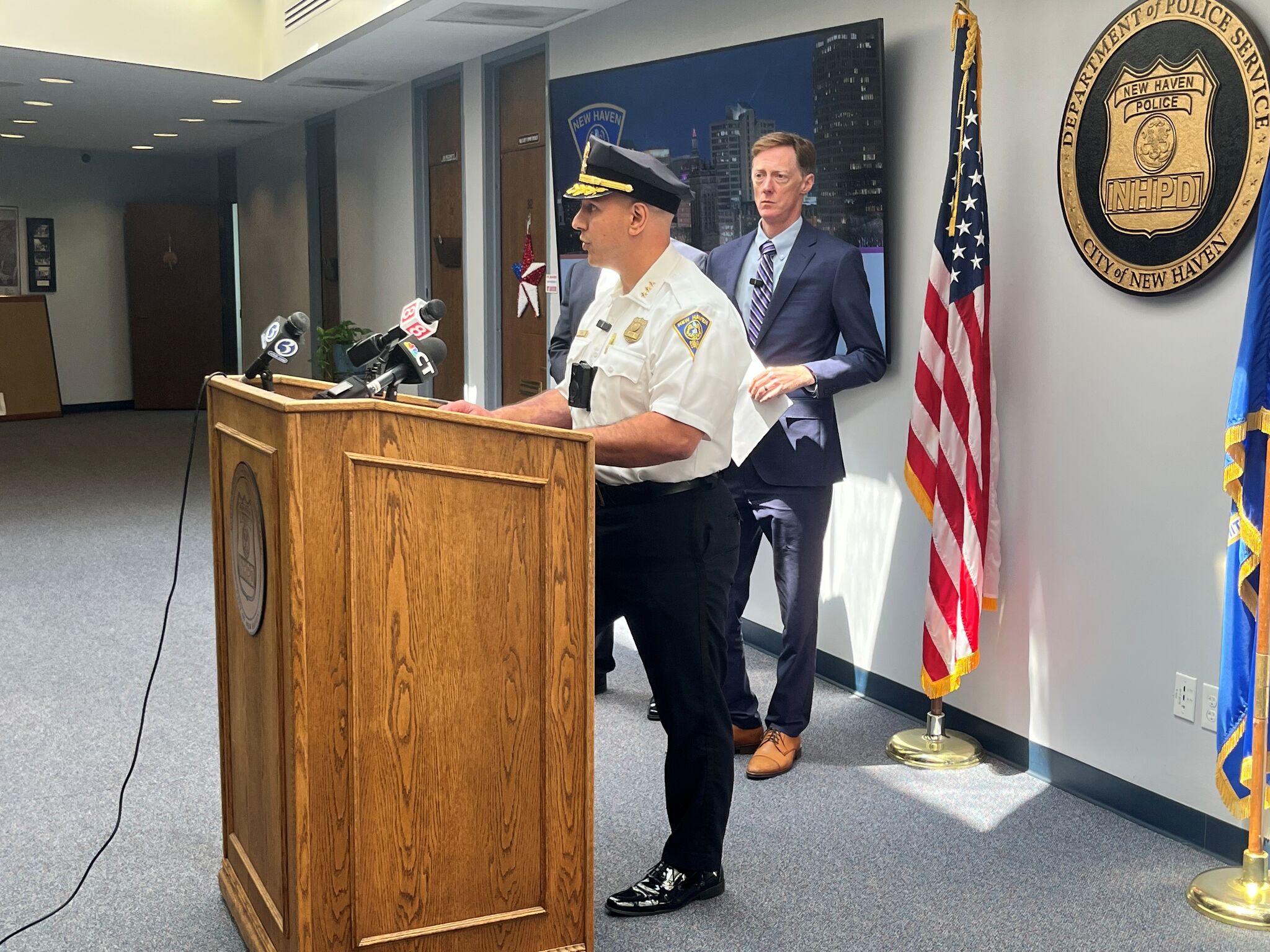
When crime drops in cities across the country, leaders often hold news conferences. These press events usually follow the same familiar pattern:
But if you ask leaders which evidence-based policing strategy they actually used, or how they plan to repeat the success during the next crime spike, the answers get fuzzy and full of generalities.
The responses from New Haven’s leaders show a big issue seen in many communities:
Important Point: Cities often rely on technology and traditional, reactive approaches to crime instead of using collaborative problem-solving strategies that are grounded in real evidence.
Reactive means they respond after crime already happened, rather than stopping it before it starts.
Two studies help us understand a popular tool called ShotSpotter (a technology that detects gunfire):
The city should stop leaning too hard on technology and reactive policing that only looks at where crime already happened.
Instead of using old “call-for-service” data (records of past 911 calls), New Haven should try spatial data analysis models like Risk Terrain Modeling (RTM).
Collaborative crime prevention needs more than public relations.
New Haven should move from symbolic outreach to:
This means treating community members, local business owners, and other city agencies as equal partners in safety. The city must build real alliances with residents before a crisis happens.
Police and city agencies need a formal problem-oriented policing (POP) framework.
New Haven’s current drop in violence is a welcome relief. But without a clear, comprehensive process, it is:
By doing these three things:
Elm City leaders can stop guessing why crime went down—and start making sure it stays down.
When crime falls, cities often credit technology and old methods without showing real evidence. Research shows gunshot tech alone doesn’t reduce violence. New Haven can do better by using place-based mapping (RTM), building true community partnerships, and applying a formal problem-solving policing model. This turns a temporary win into lasting safety.
What is reactive policing?
Reactive policing means police respond after a crime happens, instead of working to prevent it beforehand.
What is Risk Terrain Modeling (RTM)?
RTM is a mapping method that finds physical features (like empty lots or dark areas) that make places more likely to have crime, so cities can fix those spots.
Does ShotSpotter stop gun violence?
Based on research, ShotSpotter helps detect gunfire and gather evidence, but by itself it does not reduce gun violence or overall crime in a meaningful way.
What does “relationship-based policing” mean?
It means police and city leaders build real, working partnerships with residents and local groups before crises happen, not just for photo-friendly events.
Dimitrios Mastoras is a retired master police officer and a nationally recognized subject-matter expert in relationship-based policing and community engagement in Connecticut.