 11
11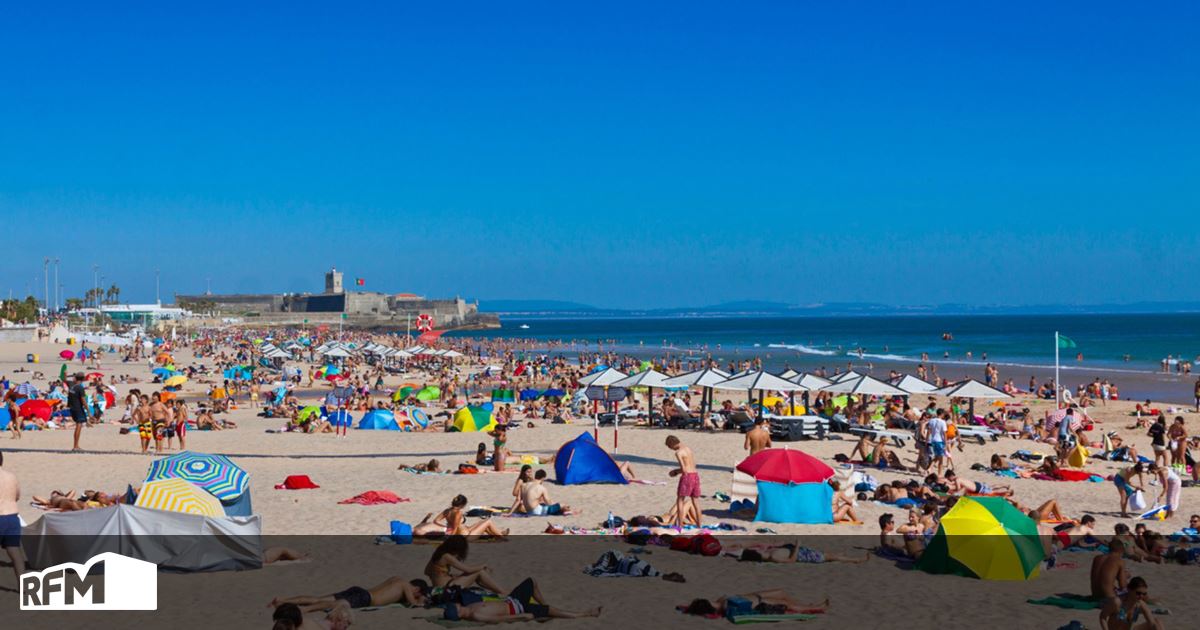
If you’re planning to spend the weekend outside, you need to be extra careful. The Portuguese Institute of the Sea and the Atmosphere (IPMA) says that ultraviolet (UV) radiation levels will be very high in mainland Portugal and in Madeira.
Important Point: UV radiation is the invisible light from the sun that can hurt your skin and eyes. "Very high" means you should take protection seriously!
According to the IPMA (as reported by Notícias ao Minuto):
The higher the UV index, the bigger the chance the sun’s rays will damage your skin and eyes — even if it doesn’t feel super hot outside.
Because of this forecast, the IPMA recommends you take some simple precautions whenever you are in the sun, especially during the strongest hours. Here’s what they suggest:
If you are somewhere where the UV index hits extreme values, the advice is: avoid the sun as much as you can.
A lot of people think: “If it’s not hot, the sun can’t hurt me.” That’s not true! UV radiation can be high even on cooler days or when there are some clouds.
So, whenever the UV index is high, don’t skip your sun protection.
This weekend, the sun in Portugal (and Madeira, plus parts of the Azores) will be strong enough to harm your skin and eyes. The IPMA warns of very high UV levels. You should wear sunscreen, hats, UV sunglasses, and stay in the shade — even if it’s not super hot. Kids and older folks need extra care. When UV is extreme, try to avoid the sun completely.
1. What is the UV index?
It’s a number that shows how strong the sun’s ultraviolet rays are. The higher it is, the more protection you need.
2. Do I need sun protection on cloudy or cool days?
Yes! UV rays can be high even when it’s cool or cloudy, so keep your guard up.
3. Who is most at risk from UV radiation?
Children and older people are more vulnerable, but everyone should protect themselves.
4. What should I do if the UV index is extreme?
Try to stay out of the sun as much as possible and follow all the protection tips.
5. Where can I check the UV levels?
You can look at the IPMA website or local weather sources that share the UV index for your area.





 "Elliot Page Shuts Down Haters With Girlfriend At Nolan’s Odyssey Premiere")