 11
11

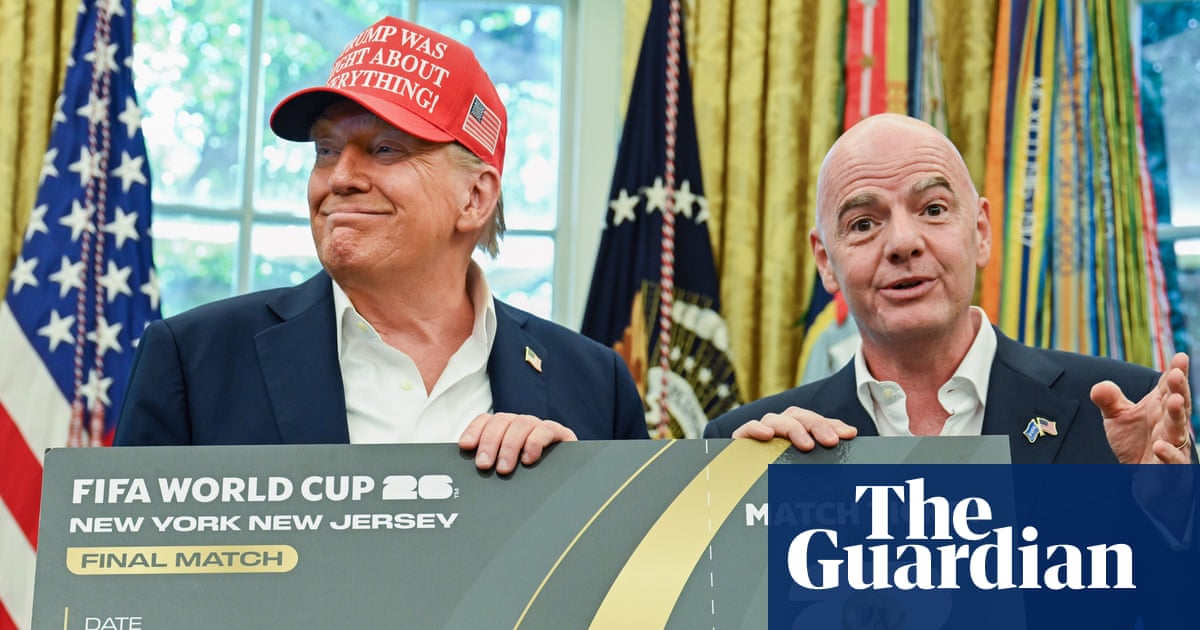
Photo: President Trump with officials in Pennsylvania on July 15.
Think of this like a playground argument that got serious. Here’s what happened in the past week:
Important Point: Even though the US is attacking, leaders haven’t explained the plan or the end goal to the public.
Behind closed doors, things are moving:
Trump has been pretty clear that he wants to turn up the heat:
“We were in Vietnam for 19 years. We’re here for four months, so I think we’ve done a lot,” he told CNN’s Kaitlan Collins.
On Tuesday, Trump told Fox News the strikes would:
“continue until I say it’s enough.”
Then on Thursday, in a night-time speech where he barely talked about Iran, he said:
“you will see the fruits of that labor very, very shortly.”
Not everyone agrees that bombs alone fix this.
“You can bomb them, you can take away their radar, you can take away some of their drones and some of their missiles, but it’s just too easy to fire at ships in the straits. So, you’ve got to actually be willing to talk and to try to figure out the problem.”
Important Point: Some top US voices say talking, not just fighting, is needed to solve the Strait of Hormuz problem.
To wrap it up like a bedtime story:
1. What is the Strait of Hormuz?
It is a narrow strip of water where a lot of the world’s ships pass. Iran controls part of it, and that makes it a big deal in this conflict.
2. What does "naval blockade" mean?
It means the US used ships to block Iranian ports so stuff can’t easily move in or out by sea.
3. Why are some leaders saying talking is important?
Because even if the US bombs radar, drones, and missiles, Iran can still attack ships easily. Leaders like Vance and Crocker think discussion is the only real fix.
4. How long does Trump say the US will keep striking?
He said the strikes will “continue until I say it’s enough” and compared the current 4-month effort to Vietnam’s 19 years, suggesting it may not be super long.