 11
11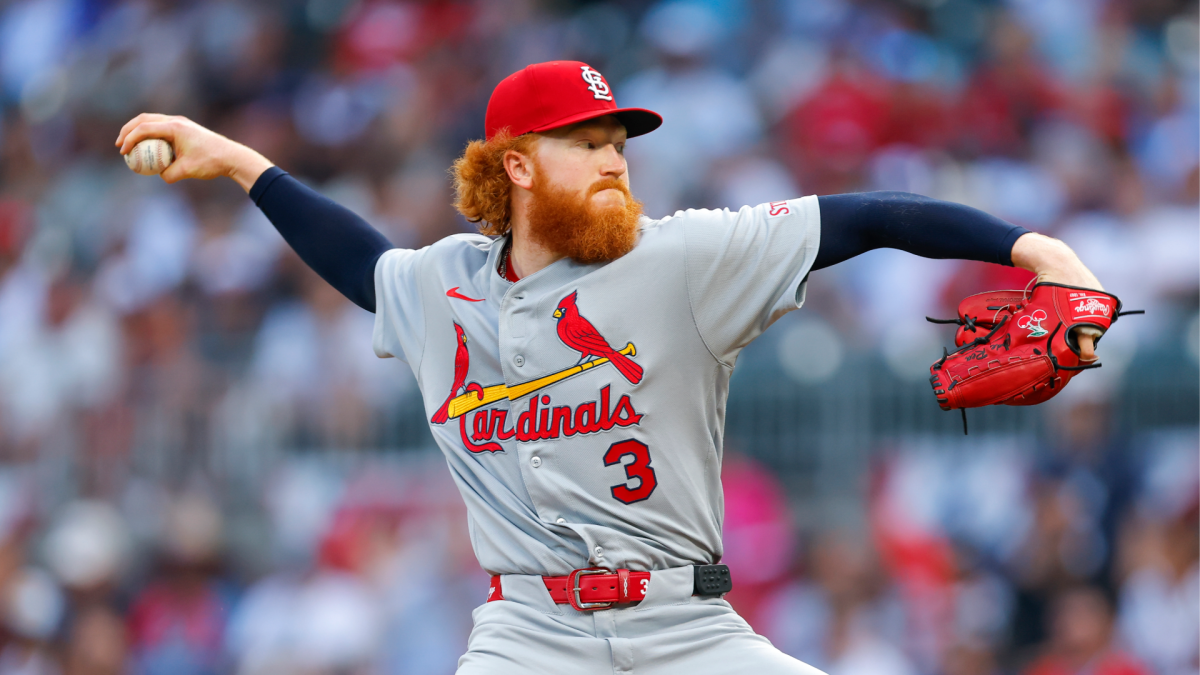
The St. Louis Cardinals are at a crossroads. With the August 3rd trade deadline fast approaching, the team’s front office has a big decision to make. Do they trade away a few players, or do they tear things down completely?
Here is everything you need to know, explained simply.
Imagine a team that traded away its biggest stars last offseason—guys like Nolan Arenado, Willson Contreras, and Sonny Gray. Most experts predicted the Cardinals would be terrible this year. They were supposed to be "rebuilding" (code for: losing on purpose to get better draft picks).
But the kids played great! The young players stepped up, and the Cardinals were actually in the playoff hunt for most of the season.
Important Reality Check
Recently, the team has crashed back to earth. They are 9-15 in July and 13-21 since June 17th. Their record is now exactly .500 (53-53). They aren’t "good" anymore—they’re just mediocre in a weak division.
Because they aren’t winning, they definitely won’t be buyers (trading for good players). The only question is: How much do they sell?
This is the minimum the Cardinals will almost certainly do. They trade players who are free agents after this season (often called "rentals"). You trade them now for prospects (young minor leaguers) rather than losing them for nothing in November.
Why "Rentals" Don’t Bring Back Superstars
Usually, teams don’t give up top prospects for players leaving in 2 months. BUT, weird labor negotiations for 2027 might make 2026 players more valuable right now. Also, if the Tigers don’t trade Tarik Skubal, May becomes the best starter available!
This means trading players the Cardinals control for years. This signals a total teardown and restocks the farm system (minor leagues) with high-end talent.
The Cardinals have too many good young catchers. They could move one of:
| Factor | Basic Sell | Deeper Sell |
|---|---|---|
| Message to Fans | "We’re retooling, still trying to win soon." | "Full rebuild. Suffer now, win later." |
| Return | Decent prospects (Lottery tickets). | Elite prospects (Future All-Stars). |
| Clubhouse Risk | Low. Veterans understand business. | High. Remaining players feel abandoned. |
| 2025/2026 Outlook | Competitive-ish. | Rough. Very rough. |
The Big Unknown
Bloom has never run a trade deadline as the top guy before. Does he play it safe (Basic) or swing for the fences (Deeper)? We find out by August 3rd.
A player on an expiring contract. The trading team "rents" them for the final 2 months of the season (playoff push). In November, that player can sign anywhere. The selling team trades them now to get something (prospects) instead of nothing later.
ERA counts runs scored while a pitcher is on the mound—even if his defense boots the ball. FIP (Fielding Independent Pitching) only counts what the pitcher controls: Strikeouts, Walks, Hit Batters, and Home Runs. It strips out luck and bad defense. May’s 3.16 FIP says: "He’s pitching like an ace, but his defense/bad luck inflated his ERA." Smart teams pay for the FIP.
Two words: Asset Management. Nootbaar turns 29 in September. He has 2 years of control left. Right now is his peak trade value. If they wait a year, he’s older, closer to free agency, and worth less. Plus, they have Joshua Báez (23, 31 HRs) knocking on the door to replace him cheaper and longer.
Basically, yes. Trading controllable stars (Nootbaar, O’Brien) for teenagers in A-ball means the MLB roster gets worse now to get better later (2027+). It’s the "Trust the Process" model.
Technically, yes. The NL Wild Card race is weak. If they keep Nootbaar, O’Brien, and the catchers, and just shed the rentals (May, Romero, Stanek), they stay competitive this year. But their bullpen and rotation get weaker instantly.