Major Earthquake Hits Japan: What Happened and What Comes Next
The Big Picture
Imagine the ground suddenly shaking so hard that buildings crumble, roads crack open, and a busy shopping mall comes crashing down. That’s exactly what happened in southwestern Japan on Tuesday, July 28, 2026, when a powerful magnitude 6.8 earthquake struck the Kumamoto prefecture on Kyushu island.
As of Wednesday, the death toll has reached 17 people, with at least 62 injured—and rescuers are still searching for survivors trapped in the rubble.
What Happened? A Timeline
- Tuesday – The main earthquake hits Kumamoto prefecture around midday
- Tuesday afternoon – Thousands flee a crowded shopping mall; gas explosion adds to the chaos
- Overnight – A strong magnitude 5.8 aftershock hits, making rescue work even harder
- Wednesday morning – Death toll rises to 17; PM promises "all out" rescue effort
- Wednesday – Major factories (Toyota, chip makers) pause operations as precaution
The Shopping Mall Crisis
Critical Situation at Aeon Mall Kashima
The Aeon Mall in the town of Kashima was packed with thousands of shoppers when the quake struck. Here’s what we know:
- ~3,000 customers were evacuated to the parking lot before a gas explosion hit another part of the mall
- 170 rescue workers are digging through the rubble right now
- 8 people pulled from the debris so far — 3 have died
- Ceiling collapsed, metal and debris scattered everywhere
- Rescuers wearing helmets and masks searching methodically
By the Numbers: The Damage So Far
| Impact |
Numbers |
| Deaths |
17 (including 1 Vietnamese factory worker) |
| Injured |
62+ (number rising) |
| Homes without power |
34,900 |
| Homes without water |
15,000 |
| People in shelters |
8,800+ (gov: 9,000+ in 506 shelters) |
| Rescue personnel deployed |
~5,000 Self-Defence Forces |
| Ground displacement |
Up to 87 centimeters (almost 3 feet!) |
Why Is This So Hard for Rescuers?
Major Challenges Slowing Rescue Efforts
- Scorching heat – Temperatures hitting 35°C (95°F) — dangerous for both rescuers and trapped survivors
- Aftershocks – A magnitude 5.8 quake overnight damaged structures further
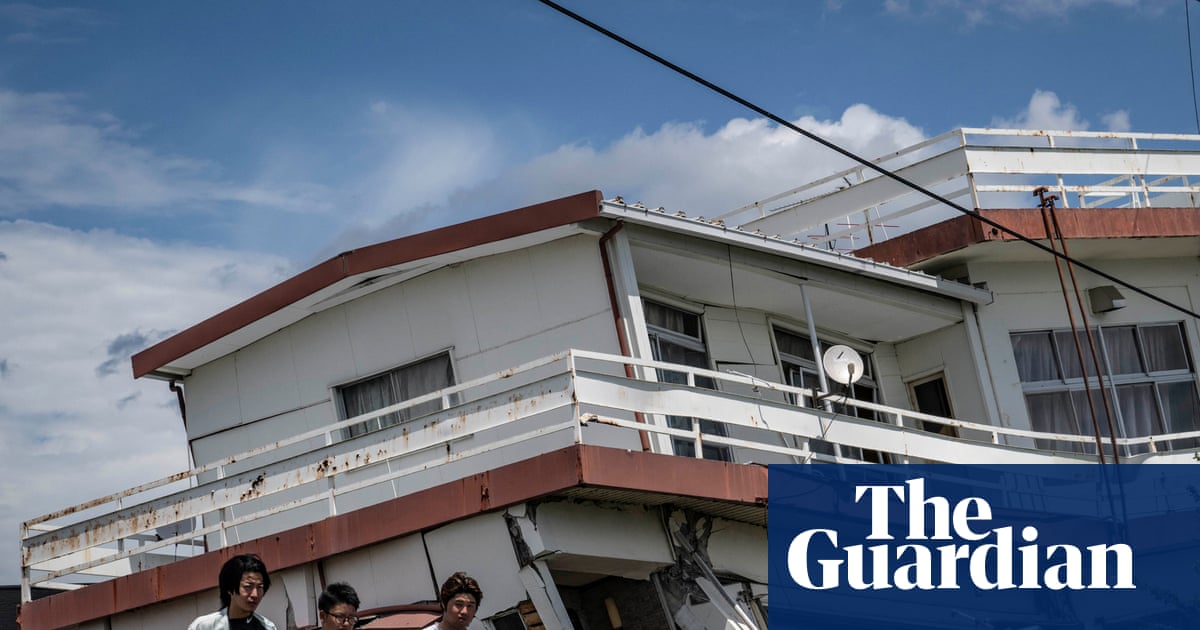
- Widespread destruction – Homes completely flattened, some slid into rivers
- Infrastructure damage – Roads cracked, power and water cut to tens of thousands
- Race against time – Every hour matters for people still trapped alive
Voices from the Ground
"It was the strongest quake I ever experienced."
— Kanzo Matsumoto, 73, hot spring inn operator in Yatsushiro
"There are people who are still waiting to be rescued, and it’s a race against time. We will go all out to find and rescue as many people as we can."
— Prime Minister Sanae Takaichi
Locals say this was the biggest quake in their lifetimes, measuring the top level on Japan’s 7-level "shindo" scale (which measures shaking intensity, not just magnitude).
Economic Ripple Effects
Kyushu isn’t just farmland and homes — it’s an industrial powerhouse:
- ~40% of regional industrial output comes from automotive and semiconductor industries
- Toyota paused 3 plants through Friday (checking suppliers & logistics)
- Chip manufacturers also halted production
- Analysts say shutdowns are mostly precautionary — not due to direct factory damage
Why Does Japan Get So Many Earthquakes?
The "Ring of Fire" Explained Simply
Imagine Earth’s crust like a cracked eggshell floating on hot, moving soup. Japan sits right on top of where FOUR of these giant puzzle pieces (tectonic plates) meet, along the Pacific "Ring of Fire" — a horseshoe of volcanoes and quakes around the Pacific Ocean.
Quick Facts:
- Japan = ~125 million people on a very shaky foundation
- Hundreds of quakes every year (most too small to feel)
- 18% of ALL the world’s earthquakes happen in/around Japan
- 2016 Kumamoto quakes: 273 dead, 2,800+ injured — so this region knows the danger well
What Happens Next?
- Search & rescue continues — top priority while survivors may still be alive
- Shelters expanding — adding air conditioning as heat wave continues
- Infrastructure repair — power, water, roads need urgent fixes
- Factory assessments — Toyota & others deciding when safe to restart
- Aftershock watch — more shaking likely in coming days/weeks
Summary
- Magnitude 6.8 quake hit Kumamoto, Kyushu on Tuesday
- 17 dead, 62+ injured — numbers may rise
- Urgent rescue at collapsed Aeon Mall + flattened homes
- 5,000 troops deployed, but 35°C heat + aftershocks hinder work
- 35K+ homes without power, 15K+ without water
- 9,000+ people in emergency shelters
- Major factories paused — precautionary, not catastrophic damage
- Japan sits on Ring of Fire — quakes are a constant reality
FAQ
How big is a magnitude 6.8 earthquake?
Think of it like this: each whole number on the magnitude scale is 32 times more energy. A 6.8 releases ~900 times more energy than a 4.0 (which feels like a heavy truck passing). It’s major — strong enough to destroy poorly built buildings and badly damage even sturdy ones.
What’s the difference between "magnitude" and "shindo"?
Magnitude = how much energy the quake released at its source (one number for the whole event).
Shindo (Japan’s scale) = how hard it shook at a specific place (1–7 scale). This quake hit shindo 7 (max) in some spots — "violent shaking, impossible to stand."
Why are aftershocks dangerous?
Aftershocks are smaller quakes that follow the main one. They can:
- Topple already-damaged buildings
- Trigger new landslides
- Terrify and endanger rescuers inside rubble piles
- Continue for weeks or months
Is it safe to travel to Japan now?
Most of Japan is unaffected. Kyushu (especially Kumamoto) has serious damage. Check your government’s travel advice. Tokyo, Osaka, Kyoto, etc. are hundreds of km away and operating normally.
How can I help?
- Donate to reputable orgs (Japanese Red Cross, UNICEF, etc.) — cash is fastest/most flexible
- Don’t send goods — logistics are overwhelmed
- Amplify official info — share shelter locations, missing person hotlines from verified sources
Sources: The Guardian, Associated Press, Reuters, Agence France-Presse
 1
1