 11
11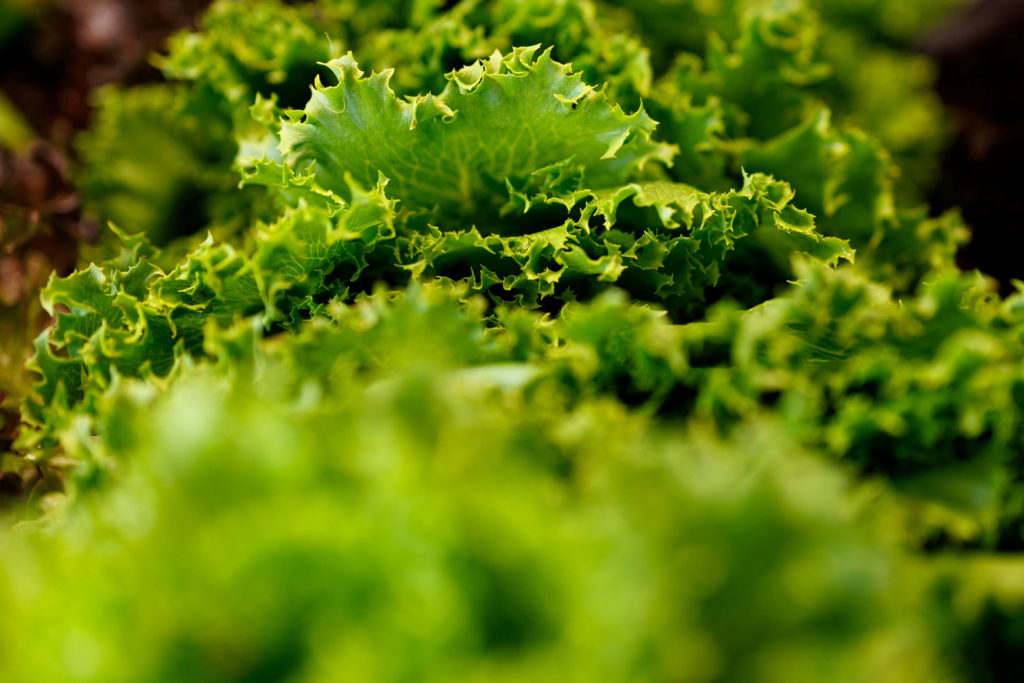
Key Takeaway: You don’t need to stop eating salads! Fresh greens are incredibly healthy. By following a few simple steps—especially choosing whole heads of lettuce and washing them yourself—you can dramatically lower your risk of getting sick while still enjoying all the benefits.
Leafy greens (like spinach, kale, romaine, and arugula) are some of the healthiest foods on the planet. Think of them as nature’s multivitamin. Here’s what they pack inside every bite:
Did you know? Research shows that when veggies are easy to prepare, people eat more of them. That’s why bagged salads became so popular—they make healthy eating fast!
In 2026, a nasty parasite called Cyclospora caused a massive outbreak across the United States:
| Stat | Number |
|---|---|
| People sickened | Over 11,500 |
| Main symptom | Explosive diarrhea (plus stomach cramps, nausea, fatigue) |
| Adults who stopped buying fresh produce | 40% (according to a July poll) |
At the same time, there were recalls for eggs (Salmonella) and blueberries (E. coli), plus another Cyclospora investigation. No wonder people got nervous!
But here’s the truth from an expert: You can’t make your risk zero, but you can make it tiny. Dr. Lisa Cuchara, an immunologist and infectious disease specialist, says the solution isn’t avoiding salads—it’s handling them smarter.
Imagine a microscopic parasite—so small you need a microscope to see it. It lives in poop (human or animal). If that poop gets into irrigation water or onto hands during harvesting, it can land on your lettuce.
Why it’s a tough customer:
Important: Cyclospora isn’t washed off easily. That’s why preventing contamination on the farm is the #1 goal—but we can also protect ourselves at home.
Bagged lettuce says "Triple Washed" and "Ready to Eat." Sounds clean, right? But here’s the catch:
It means cleaned to commercial standards, not "germ-free."
Each stage is a chance for germs to hop on:
Bagged greens often travel hundreds or thousands of miles. If a few parasites survived the wash, they’ve got days to party and multiply before you open the bag.
Science bit: Cut leaves leak nutrients (plant juices). Bacteria love this—it’s like an all-you-can-eat buffet.
Think of a whole head of lettuce like a fortress. The outer leaves protect the inner ones. Less processing = fewer chances for contamination.
| Benefit | Why It Matters |
|---|---|
| Fewer processing steps | No chopping, no big wash tanks, no conveyor belts |
| Shorter supply chain | Local farm → market → your fridge (fewer miles, fewer hands) |
| You control the wash | You see every leaf, you rinse every surface |
| Outer leaves = shield | You peel them off and toss them (taking germs with them!) |
Pro Tip: The 2026 Cyclospora outbreak is suspected to come from large commercial producers. Buying at a farmers market, farm stand, or choosing "locally grown" at the grocery store skips that risky supply chain.
| DO | DON’T |
|---|---|
| Eat salads daily—they’re amazing for you | Panic and stop buying fresh produce |
| Choose whole heads over bags | Assume "pre-washed" means "safe" |
| Wash everything under running water | Soak in vinegar/bleach (not needed, can affect taste) |
| Buy local when possible | Wash before storing (moisture = mold) |
| Dry thoroughly before refrigerating | Eat greens that look slimy, brown, or smell off |
Bottom line: The health benefits of leafy greens far outweigh the small risk of foodborne illness—especially when you follow the three rules above. Keep crunching!
Not necessarily. Organic refers to how it’s grown (no synthetic pesticides), not how it’s washed or handled. Organic bagged greens go through the same processing lines. Whole local heads (organic or not) are still your best bet.
The CDC and FDA say plain running water is best. Commercial washes aren’t proven more effective, and vinegar soaks can leave a taste. For firm produce (melons, cucumbers), a clean produce brush + water works great.
Don’t panic! Most people who eat contaminated food don’t get sick. If you develop watery diarrhea, stomach cramps, bloating, or fatigue 1–2 weeks later, tell your doctor you ate fresh produce—they can test for Cyclospora (it’s treatable with antibiotics).
Yes—any leafy green can be contaminated. The same rules apply: whole bunches > bags, wash well, buy local. Spinach and kale often come in bunches with roots attached—even better!
Restaurants often use bagged greens. You can ask: "Do you use whole heads or bagged lettuce?" Many higher-end places wash whole heads. If unsure, cooked veggies are a safer menu pick during active outbreaks.
Expert Reminder: "It’s impossible to entirely eliminate your risk of being infected with microbes that can contaminate foods. But adopting a few sensible food safety practices can help you significantly reduce your risk while continuing to enjoy the many health benefits of salads." — Dr. Lisa Cuchara, Immunologist & Infectious Disease Specialist
This article is based on content originally published on The Conversation under a Creative Commons license.