Cyclosporiasis Outbreak: What You Need to Know About the Recent Parasite Cases
What Is Happening Right Now?
Health officials are tracking a large outbreak of cyclosporiasis (sigh-clo-spore-eye-uh-sis) across the United States. As of the latest CDC update, over 18,000 cases have been reported in 45 states.
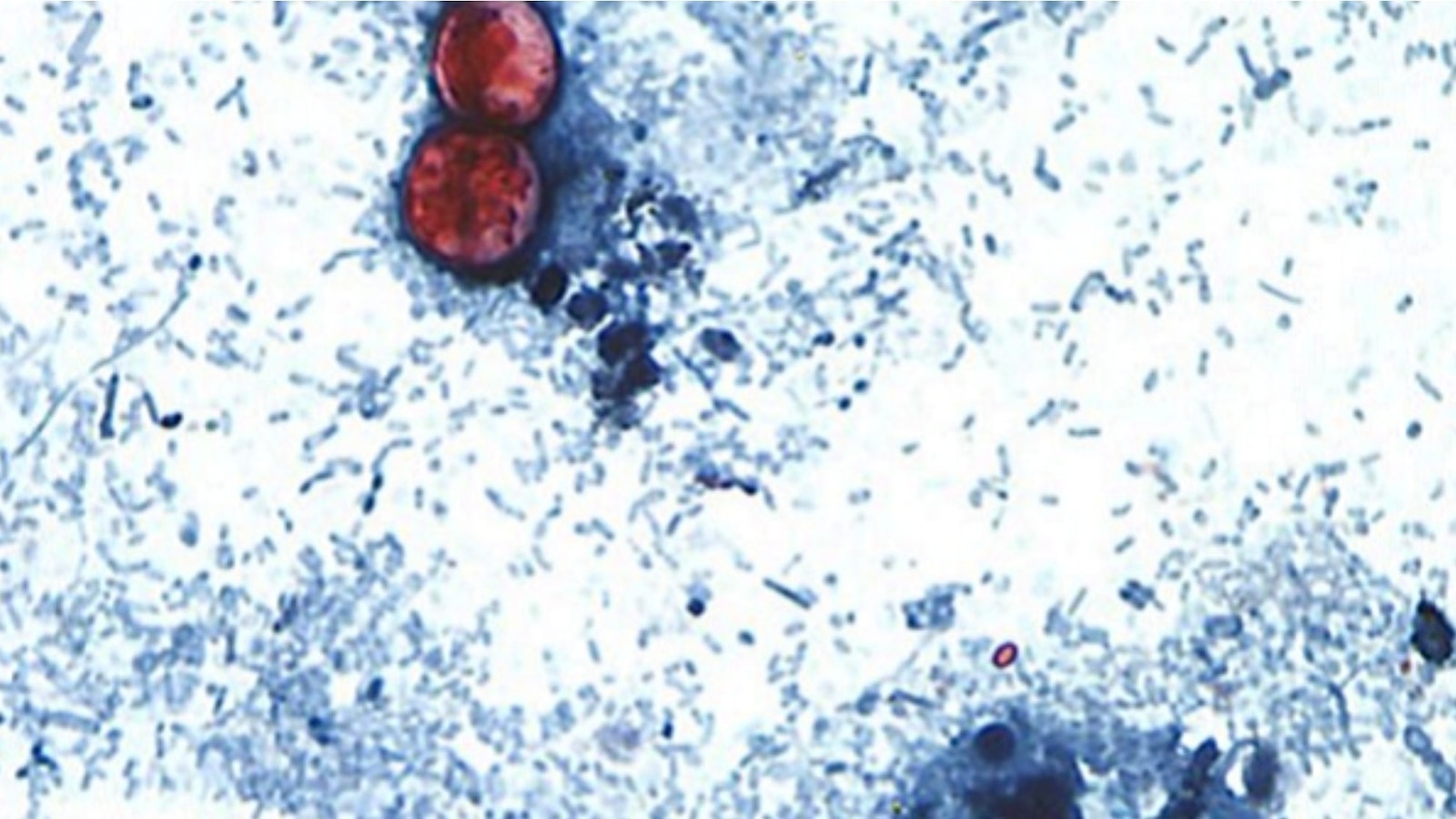
Important Point: This is an intestinal illness caused by a tiny parasite called Cyclospora cayetanensis. You can’t see it with your naked eye—it’s a single-celled organism.
Key Numbers at a Glance
| Category |
Count |
| Total reported cases |
18,000+ |
| Lab-confirmed cases (since May 1) |
6,707 |
| Hospitalizations |
423 |
| Additional unconfirmed/under investigation |
11,500+ |
| States affected |
45 |
| Deaths reported |
0 |
Where Did It Come From?
Investigators have linked many cases to recalled iceberg lettuce. Here’s the chain:
- Source: Iceberg lettuce grown in central Mexico by Taylor Farms de Mexico.
- Supplier: Taylor Farms supplied this lettuce to Taco Bell restaurants.
- Locations: The lettuce was served at Taco Bell locations in nine states.
- Recall: Taylor Farms issued a voluntary recall of all iceberg lettuce from central Mexico. The recall covers 27 states.
- Timeline: Recalled products were distributed June 29 – July 16 with "best if used by" dates up to August 3.
- Action Taken: Taco Bell has stopped using lettuce from Taylor Farms de Mexico at all restaurants.
Important Point: Michigan and Ohio have reported the bulk of the unconfirmed cases, and both states have linked their cases to this recalled lettuce.
What Is Cyclosporiasis? (ELI5 Explanation)
Imagine a microscopic hitchhiker that gets on fresh produce (like lettuce, berries, or herbs). When you eat the contaminated food, the parasite moves into your small intestine and sets up camp.
- It is NOT a virus or bacteria. It’s a parasite (a tiny organism that lives in/on another organism).
- It does NOT spread person-to-person. You catch it only by swallowing contaminated food or water.
- It loves warm weather. Cases typically spike in summer months.
Symptoms: What to Watch For
The average incubation period (time between swallowing the parasite and feeling sick) is 1 week, but it can take up to 2 weeks or longer.
Common symptoms include:
- Watery diarrhea (most common)
- Loss of appetite
- Fatigue / feeling very tired
- Stomach cramps / pain
- Low-grade fever
- Nausea
- Weight loss
Important Point: If untreated, symptoms can last for weeks or even months, going away and coming back. See a doctor if you have diarrhea lasting more than 3 days.
Who Is Affected?
- Age range: 1 to 98 years old.
- Hospitalizations: 423 people have needed hospital care (usually for dehydration).
- Deaths: Zero reported so far.
Why Are Case Numbers Still Rising?
You might wonder: If the lettuce was recalled, why are cases still going up? Here are the main reasons:
- Reporting Lag: It takes up to 6 weeks for the CDC to confirm and count a case.
- Incubation Delay: People infected before the recall are just now getting sick.
- Other Sources: The CDC says other contaminated foods may be involved. Summer is peak season for this parasite.
- Unconfirmed Cases: Over 11,500 cases are reported by states but not yet lab-confirmed or fully investigated.
How Is It Diagnosed and Treated?
Diagnosis
- A stool (poop) test is required.
- Important: Doctors must specifically order the test for Cyclospora. It’s not part of a standard "stomach bug" panel.
Treatment
- Antibiotic: The standard treatment is Trimethoprim-sulfamethoxazole (Bactrim, Septra, Cotrim).
- No alternative: There is no highly effective alternative antibiotic for people allergic to sulfa drugs.
- Hydration: Drink plenty of fluids to prevent dehydration.
How to Protect Yourself: 5 Simple Steps
- Check Your Fridge: Do you have bagged iceberg lettuce or salad kits with "best by" dates through August 3? Throw them out.
- Wash Produce Thoroughly: Rinse all fresh fruits and vegetables under running water—even those you plan to peel. Note: Washing reduces risk but doesn’t guarantee 100% removal of Cyclospora.
- Cook When Possible: Cooking kills the parasite. Cooked produce is safe.
- Stay Informed: Check the FDA recall list and CDC outbreak page for updates.
- See a Doctor Promptly: If you have prolonged diarrhea, ask specifically for a Cyclospora test.
Summary
- A parasite called Cyclospora has sickened 18,000+ people across 45 states.
- The main identified source is recalled iceberg lettuce from Taylor Farms de Mexico, served at Taco Bell (and possibly elsewhere).
- No deaths, but 423 hospitalizations.
- Symptoms (watery diarrhea, fatigue, cramps) start ~1 week after exposure.
- Treatment exists (specific antibiotic), but diagnosis requires a special test.
- Cases may keep rising due to reporting delays and possible other food sources.
- Throw out recalled lettuce and practice good produce hygiene.
FAQ: Your Top Questions Answered
Can I catch this from another person?
No. Cyclospora does not spread person-to-person. You must swallow the parasite (via contaminated food/water). It needs time in the environment (days to weeks) to become infectious after being passed in stool.
Is all lettuce unsafe right now?
No. Only specific recalled products (iceberg lettuce from central Mexico, distributed June 29–July 16, best-by through Aug 3) are implicated. If your lettuce isn’t part of the recall, it’s generally safe—but always wash it well.
I ate at Taco Bell recently. Should I panic?
Don’t panic. Most people who get infected recover fully. Monitor your health. If you develop watery diarrhea lasting more than 3 days, see a doctor and ask for a Cyclospora test.
Why does it take so long to get the case numbers?
It’s a multi-step delay:
- You get sick (1–2 weeks after eating).
- You go to the doctor.
- Doctor orders the specific test.
- Lab processes it.
- Health dept reports to CDC.
- CDC verifies and counts it.
Total: Up to 6 weeks.
Is there a vaccine?
No. There is no vaccine for cyclosporiasis. Prevention relies on food safety practices (clean water for irrigation, worker hygiene, proper washing/cooking by consumers).
 1
1