 11
11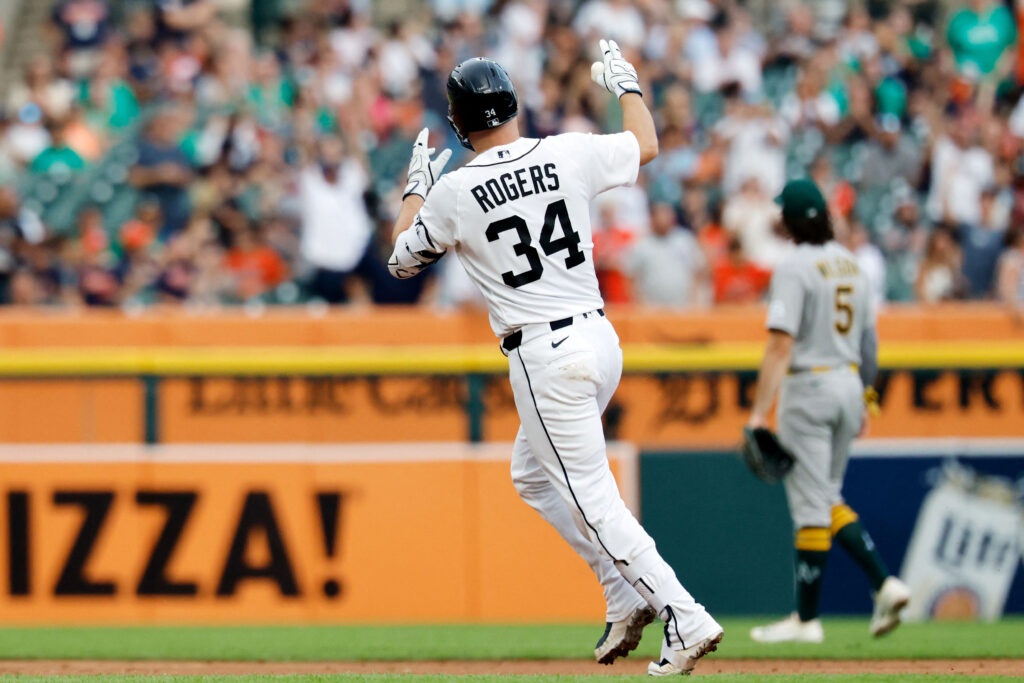
Imagine your favorite baseball team needs a backup catcher—someone who can step in when the starter needs a rest. The Baltimore Orioles just found their guy! They traded for Jake Rogers, a 31-year-old catcher who used to play for the Detroit Tigers. In return, the Tigers get a young pitcher named Zane Barnhart from the Orioles’ minor league system.
Important Point: Both teams have officially announced the deal. Rogers was "designated for assignment" (DFA’d) by Detroit just two days before this trade happened—more on what that means below!
Think of Rogers like a trusty veteran substitute teacher who knows all the classroom rules:
The Tigers had a logjam at catcher. Here’s how it played out:
Important Point: "Designated for Assignment (DFA)" sounds scary, but it just means: "We’re taking you off our 40-man roster. We have 7 days to trade you, release you, or send you to the minors (if you clear waivers)." It’s often a precursor to a trade or release.
| Stat | 2026 Season | What It Means |
|---|---|---|
| Batting Average | .161 | Very low (league avg ~.240) |
| Home Runs | 3 | Low for someone swinging for fences |
| Fly Ball Rate | 40% (career high!) | He was trying to hit home runs a lot |
| Pull Fly Ball Rate | 29.2% | Swinging hard to left field (pull side) |
| Barrel Rate | 7.7% | Rarely hit the ball perfectly on the sweet spot |
| Avg Exit Velocity | 87.7 mph | Among the weakest contact of his career |
Translation: Rogers changed his approach—swinging harder, trying to lift everything for home runs—but it backfired. He made weak contact and didn’t hit for power anyway.
| Defensive Metric | Career (Entering 2026) | 2026 Season | The Drop |
|---|---|---|---|
| Defensive Runs Saved (DRS) | +15 (Elite!) | -3 (Below Average) | 18-run swing! |
| Fielding Run Value | +13 (Elite!) | -3 (Below Average) | 16-run swing! |
Translation: Rogers went from being one of the best defensive catchers in baseball to below average in a single season. That’s a massive red flag.
Important Point: DRS (Defensive Runs Saved) and Fielding Run Value are stats that measure how many runs a player saves (or costs) his team with his glove compared to an average player. Positive = good, Negative = bad. An 18-run swing is huge—like going from an All-Star to a liability.
The Orioles didn’t give up much—just Zane Barnhart, a minor league right-handed pitcher. For Baltimore, this is a classic "buy low" move:
Veteran presence for a young pitching staff
Elite defensive track record (if he bounces back)
Clubhouse leadership valued by contending teams
Minimal cost (a lottery-ticket minor leaguer)
Depth insurance in case of injury to their starter
The Tigers clear the deck for their youth movement:
Eduardo Valencia gets the backup job to develop
Zane Barnhart adds pitching depth to their farm system
Roster flexibility—no awkward DFA situation lingering
Clubhouse clarity—young catchers know their roles
Designated for Assignment. The team removes the player from its 40-man roster. They have 7 days to trade him, release him, or (if he clears waivers) send him to the minors. It’s not a release—yet—but it’s often the first step.
Because defense wins championships, and Rogers has a long track record of elite defense. The Orioles think his 2026 struggles were a fluke (or fixable) and that he can still be a valuable backup catcher for a playoff run. Plus, he cost almost nothing.
A minor league right-handed pitcher in the Orioles system. He was not on the 40-man roster, so Detroit gets a "lottery ticket"—a young arm with some upside but no guarantee of reaching the majors.
Unlikely. Baltimore has Adley Rutschman, one of the best young catchers in baseball. Rogers is strictly backup/insurance/depth—exactly the role he filled in Detroit behind Dillon Dingler.