11
11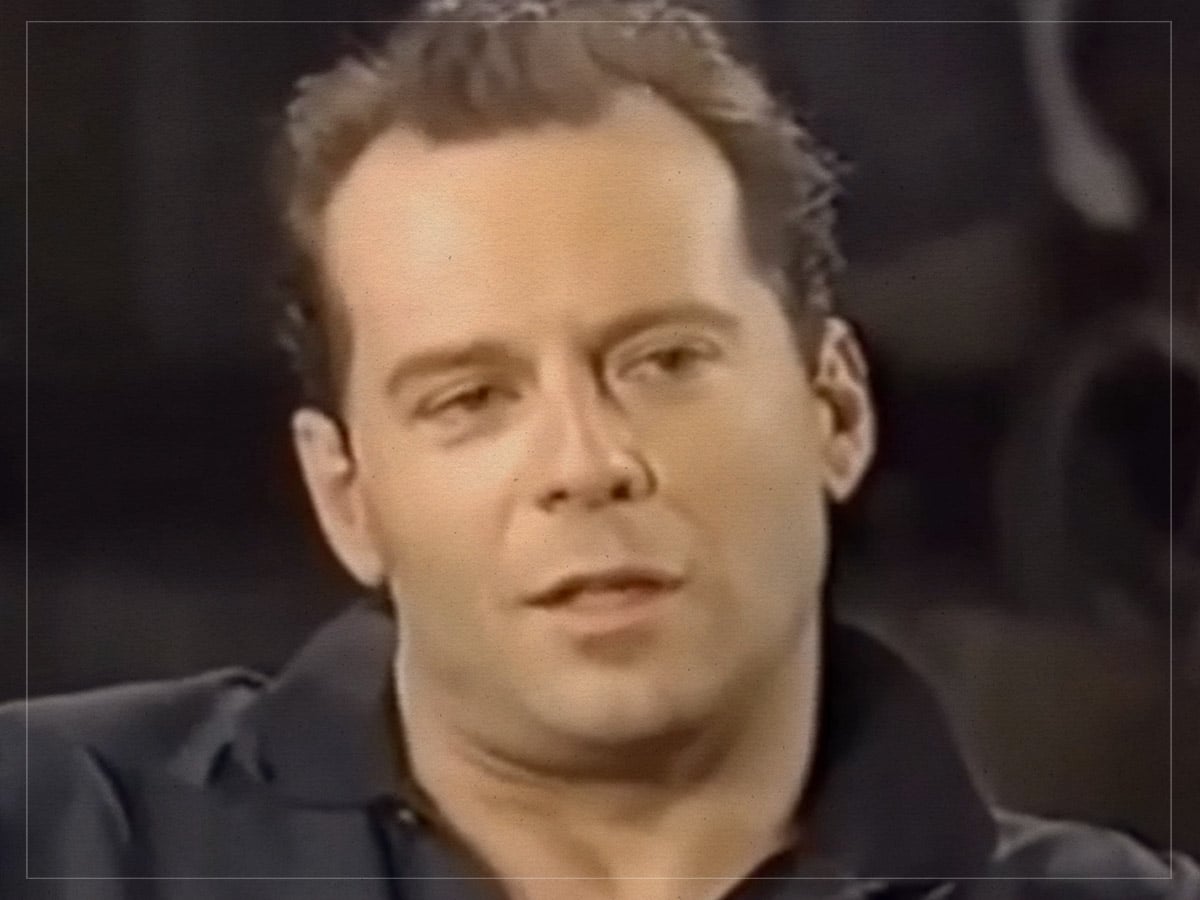
By the summer of 1990, Bruce Willis wasn’t just a guy on TV anymore—he was a bona fide movie star. His role as John McClane in the original Die Hard (1988) had launched him straight to the A-list. But with great fame came a very specific worry: Willis didn’t want to be "the funny TV guy" anymore.
Important Context: Before Die Hard, Willis was famous for the TV show Moonlighting, where he played a charming, wisecracking detective. He spent years building that "funny guy" image. Now that he was a movie action hero, he wanted to be taken seriously as a dramatic leading man.
When it came time to film Die Hard 2, director Renny Harlin expected the same wise-cracking, exhausted, relatable McClane audiences loved. But Willis had other ideas.
Key Tension: Willis thought jokes made him look like a TV star. Harlin thought jokes made McClane human.
The fight came to a head over one specific line.
McClane needs to send a fax. A female employee helps him—and flirts a little. McClane notices, smirks, points to his wedding ring, and says:
"Just the fax, ma’am. Just the fax."
"That is so cheesy and stupid. I refuse to say it."
When Die Hard 2 hit theaters, it doubled the box office of the first film. And guess which moment people remembered most?
The "Just the fax" line became one of the most quoted, beloved jokes in the whole movie.
Harlin had the last laugh:
"It’s not just funny; it shows he cares about his wife. It makes him relatable and really an honourable guy. Because it’s not just about saving the world — it’s about something much more personal."
| Without Humor | With Humor |
|---|---|
| Generic 90s action hero | Exhausted, sarcastic everyman |
| Invincible muscle man | Real guy using jokes to cope |
| Forgettable | Unforgettable |
Willis wanted credibility. Harlin knew relatability was the real superpower.
He’d spent years on Moonlighting being the "funny charming guy." Now a serious action star, he feared any wisecrack would drag him back to that image. He thought jokes undermined the high stakes.
Yes—and the box office proved it. The humor wasn’t "cheesy"; it showed McClane’s humanity. Audiences connected with a hero who joked because he was scared, not in spite of it.
The director of Die Hard 2. He knew the first film’s success came from McClane feeling like your friend—not a superhero. He fought to keep that alive.
The super-producer (and Die Hard franchise architect) mediated twice. His compromise: Willis could direct his own performance if he gave Harlin one take. That one take gave us the famous line.
Not at all. Die Hard 2 was a massive hit. But it’s a legendary example of an actor fighting his own character’s magic—and the director saving it anyway.