11
11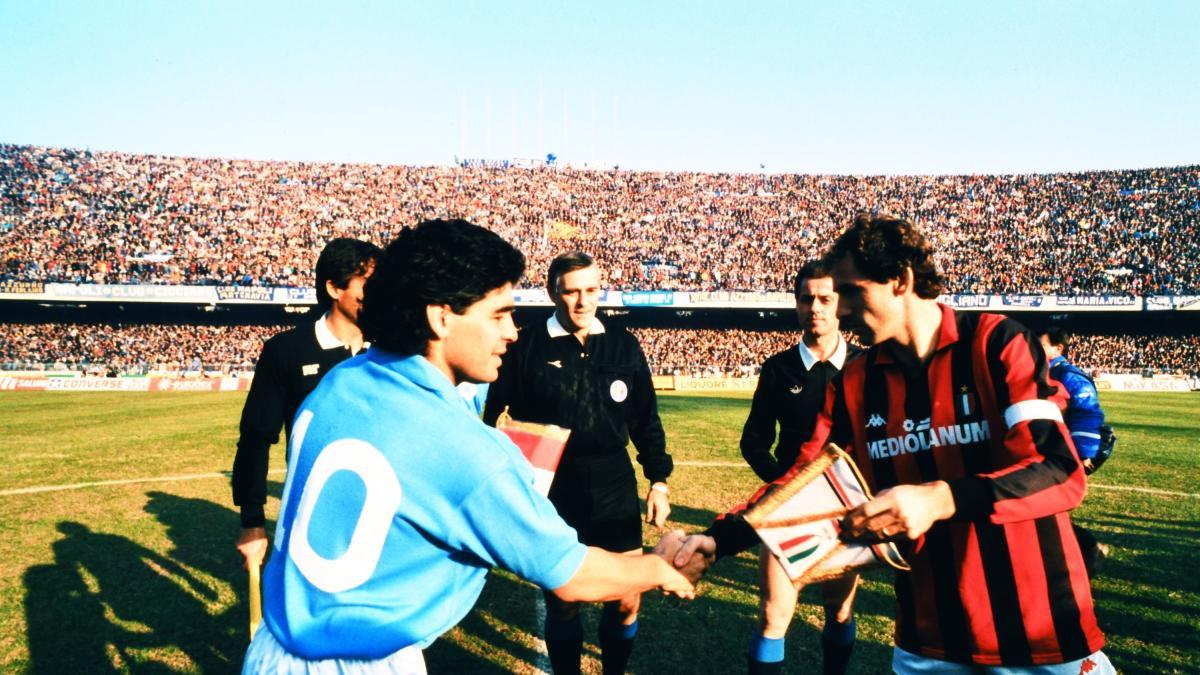
Important Point: Franco Baresi wasn’t just a football player — he was the heart and soul of AC Milan for over two decades. When he passed away at 66, the entire football world mourned one of the greatest defenders to ever play the game.
Imagine a superhero whose superpower is stopping the other team from scoring. That was Franco Baresi. He played a special position called "libero" (Italian for "free") — think of it like a safety net behind the other defenders. He didn’t just chase attackers; he read the game like a book, knowing where the ball would go before it even got there.
He spent his entire 23-year career at one club: AC Milan. That’s like working at the same place from age 17 to 40 — and being the boss for 15 of those years!
| Stat | What It Means |
|---|---|
| 717 matches | Second-most in Milan history (only Paolo Maldini played more) |
| 23 seasons | 1977–2001 — his whole professional career |
| 15 years as captain | The leader on and off the field |
| 20 trophies | Including 6 Serie A titles and 3 European Cups |
| Nickname: "Kaiser Franz" | Named after German legend Franz Beckenbauer — the original libero king |
Here are the chapters of a romance that lasted a lifetime:
Important Point: Before Baresi and his partner-in-greatness Gaetano Scirea, defenders just… defended. They made the role artistic. Baresi was a playmaker in disguise — starting attacks with perfect passes, organizing the defense like a conductor, and never, ever diving in. He defended with his brain, not just his legs.
Franco Baresi gave AC Milan everything — 23 years, 717 games, 20 trophies, and a standard of excellence that still guides the club today. He wasn’t flashy. He didn’t score hat-tricks (well, not the goal kind). But ask any Milan fan, any Italian football lover, any defender who grew up watching him: he was perfect.
He was Milan. And Milan will never forget him.
What does "libero" mean, and why was Baresi the best at it?
"Libero" means "free" in Italian. It’s a defender who plays behind the main defensive line, free to roam, intercept passes, and start attacks. Baresi was the best because he anticipated danger before it happened — like a chess player thinking five moves ahead.
Why is he called "Kaiser Franz"?
"Kaiser" means "Emperor" in German. Franz Beckenbauer (Germany’s legendary libero) was called "Der Kaiser." Baresi earned the Italian version — "Kaiser Franz" — because he ruled his position with the same authority and elegance.
Did he ever play for another club?
No. In an era where stars switch teams constantly, Baresi stayed loyal to Milan for 23 years — from teenager to legend. That loyalty is a huge part of why fans worship him.
What was his "tripletta" (hat-trick)?
Not goals! His hat-trick was playing as a starter in three different decades: the 1970s, 1980s, and 1990s. It shows incredible longevity and consistency at the highest level.
How did Milan honor him after he retired?
They retired his number 6 shirt — no Milan player will ever wear it again. His name and number hang permanently in the San Siro stands. He also served as a youth coach and ambassador for the club until his passing.
"He didn’t speak much. He just led. And when he played, you knew everything would be okay."
— A Milan teammate, remembering the Captain