Iran Tragedy Shakes Hegseth: Will He Pivot Now?
Pentagon Considers Restoring Civilian Protection Staff After Deadly Strike in Iran
The Big Picture: What Happened?
Imagine a team whose job is to make sure innocent people—like kids at school or families at home—don’t get hurt during war. The Pentagon (the U.S. military’s headquarters) had a whole office full of these experts. But when Pete Hegseth became Secretary of Defense, he fired almost all of them.
Now, after a tragic mistake killed nearly 170 people at a school in Iran, the military wants to hire many of them back.
How We Got Here: The Timeline
1. The Protection System Was Built Over 20 Years
- After wars in Iraq and Afghanistan killed tens of thousands of civilians, the military learned a hard lesson: winning battles isn’t enough if you lose the trust of local people.
- Congress passed laws requiring better civilian protection.
- The Pentagon created the Civilian Harm Mitigation and Response Action Plan—a fancy name for "systems to avoid hurting innocent people."
2. Hegseth’s "Lethality First" Approach
- Pete Hegseth, a former Fox News host and National Guard veteran, became Secretary of Defense in 2025.
- He openly criticized military lawyers ("JAGs") and international rules as "shackles" on soldiers.
- Within months, he cut ~90% of staff working on civilian casualty prevention and investigation.
3. The Iran War & The Minab Tragedy
- The U.S. has been in an on-again, off-again conflict with Iran for five months.
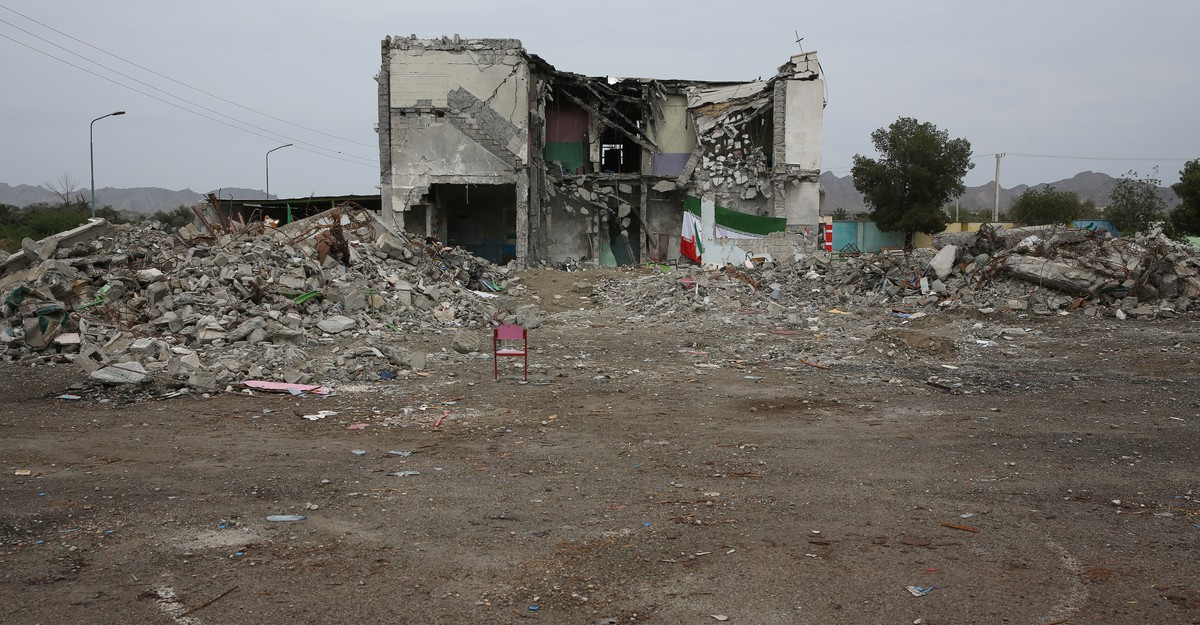
- In the first hours of fighting, a U.S. Tomahawk missile struck a school in Minab, southern Iran.
- 168 people died—most were children.
- The building had once been an Iranian military site, but had been converted to a school. U.S. intelligence knew this, but the information never reached the strike planners.
4. The Wake-Up Call
- A Pentagon Inspector General report found the staff cuts may have violated laws protecting civilians.
- Military commanders (the people actually running wars) privately pushed to restore the staff—they’ve seen how civilian deaths fuel enemy recruitment and undermine missions.
- The Pentagon is now considering restoring up to half the cut positions—but it needs Hegseth’s signature.
Why Civilian Protection Matters: The Simple Logic
Think of it like this: If a firefighter rushes into a burning building but knocks over a lantern and starts more fires, they’re not really helping. The military learned that killing civilians creates more enemies than it eliminates.
Key Reasons Commanders Want These Experts Back:
- Civilian deaths = insurgent recruitment (locals join the enemy out of anger)
- Loss of local support = mission failure (you can’t stabilize a region if people hate you)
- International legitimacy matters—allies won’t help if they think you’re reckless
- Better intelligence = better targeting (these experts study "patterns of life"—where civilians gather, when markets are busy, etc.)
The Contrast: Rhetoric vs. Reality
| Hegseth & Trump’s Public Stance | Military Commanders’ Internal View |
|---|---|
| "No stupid rules of engagement" | "Law of armed conflict is the source of our legitimacy, not a constraint" — Admiral Brad Cooper, Centcom Chief |
| "We fight to win, don’t waste time" | Commanders uniformly support restoring civilian protection staff |
| Strike photos captioned "No pause. No hesitation." | Experts warn: silence after tragedies cedes the narrative to enemies |
Important Callout: This Isn’t Just About "Being Nice"
Strategic Failure Risk: Geoffrey Corn (military law professor at Texas Tech) explains: If you don’t publicly explain what went wrong after a tragedy like Minab, "you’re ceding the narrative to anybody who wants to condemn you. You are setting the conditions for strategic failure."
- Iran now uses #168 as a rallying symbol (even their World Cup team wore pins)
- Global perception shapes whether allies cooperate, enemies surrender, or neutrals join the fight
- Legitimacy (lawfulness + morality + prudence) has been a formal U.S. military principle since 2006
What Happens Next? The Decision Points
- Hegseth must sign off on restoring ~50% of the cut positions
- Congress mandated some of these roles—legal compliance is at stake
- Inspector General warned current cuts may violate civilian protection laws
- Democrats are pressuring the Pentagon to reverse course
- Even if restored, experts warn: tone from the top matters. If Hegseth treats it as a "box-checking exercise," nothing changes.
Summary: The Core Conflict
| The Past 20 Years Taught Us | Hegseth’s Approach | Where We Are Now |
|---|---|---|
| Civilian protection = mission success | Rules = "shackles" on warriors | Deadly error in Minab forces a reckoning |
| Experts embedded with targeting teams prevent mistakes | Cut 90% of those experts | Commanders want them back; Hegseth must decide |
| Transparency after errors preserves legitimacy | Silence / blame-shifting after Minab | Investigation promised, but no release date |
| Legitimacy comes from lawful, moral action | "Lethality and battlefield swagger" | World watches: strategic failure or course correction? |
FAQ: Your Questions Answered
Who exactly was fired?
Civilian harm mitigation experts—people who analyze "patterns of life" (where civilians live, work, gather), advise target planners before strikes, and investigate after incidents. They had no power to veto strikes, only to provide extra information.
Did the Minab strike violate laws of war?
That’s what the Pentagon’s own investigation is determining. Key facts: the U.S. knew the building was a school, but that intel didn’t reach the strike planners. A Tomahawk missile was used (Iran doesn’t have them).
Why does the military want these restrictions?
Because commanders learned the hard way: civilian deaths → angry locals → more insurgents → failed missions. It’s not "political correctness"—it’s battlefield effectiveness.
What’s the difference between "collateral damage" and a war crime?
- Collateral damage: Unintentional civilian harm during a lawful strike on a legitimate military target (proportional, precautions taken).
- War crime: Intentional targeting of civilians, or reckless disregard (e.g., striking a known school without verifying military necessity).
Can the Pentagon legally operate without these staff?
The Inspector General says maybe not—Congress mandated some roles. The Pentagon claims it’s "reassessing" and will stay compliant, but no final decision has been made.
The Bottom Line
The U.S. military spent two decades building systems to avoid killing innocent people—because it learned that doing so loses wars. A new leader dismantled those systems in the name of "lethality." A catastrophic error in Iran—killing 168 people, mostly children, at a school the U.S. knew was a school—has forced a moment of truth.
Will the Pentagon restore the guardrails? Will the leadership change its tone? Or will "lethality" without legitimacy become the new normal? The answer will shape not just this war, but America’s military credibility for years to come.