 11
11
Breaking News Alert
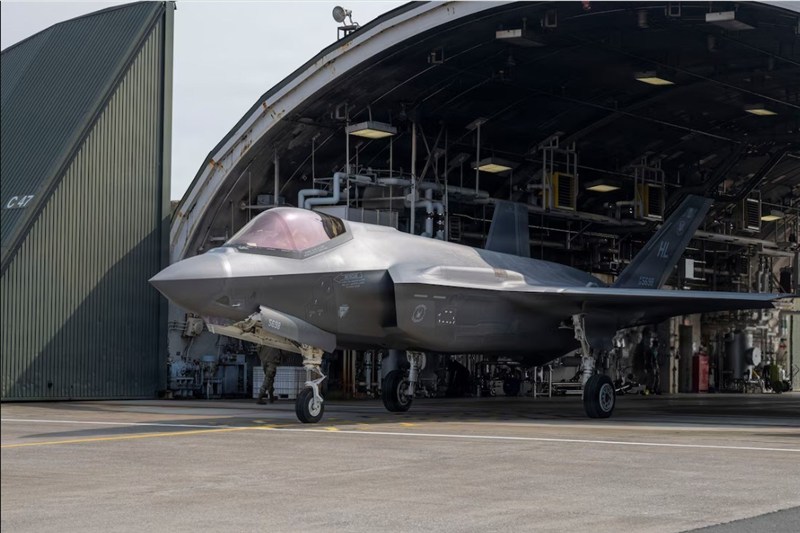
An F-35 fighter jet crashed near Miramar Air Base in San Diego around 10:00 AM today. The good news? The pilot is safe! They ejected (more on what that means below) and have been recovered.
Here are the key facts in plain English:
Think of the F-35B like a super-advanced, stealthy Transformer jet that can do something most planes can’t:
| Feature | What It Means (Simple Version) |
|---|---|
| Stealth | Hard for radar to "see" — like wearing an invisibility cloak |
| F-35B | The "B" version can take off and land vertically (straight up and down!) |
| How? | It has a special lift fan and swiveling engine nozzle — like a helicopter mixed with a jet |
| Who flies it? | U.S. Marine Corps (and some allies) |
Fun Fact: The F-35B is the only supersonic (faster than sound) jet in the world that can hover like a helicopter!
The military ranks accidents by severity. Class A is the most serious:
Class A Mishap =
• Damage costs $2.5 million or more
OR
• Aircraft is destroyed
OR
• Fatality or permanent total disability occurs
So when officials say "Class A mishap," they’re confirming this was a major accident — the jet is likely a total loss.
This is the most important part — the pilot survived because of this incredible safety system:
Amazing stat: Modern ejection seats (like the Martin-Baker in the F-35) work from zero altitude, zero speed — meaning even if the jet is sitting still on the runway, the pilot can still escape!
Since this is a developing story, here’s the typical process:
KEY TAKEAWAYS
- Pilot is safe — This is the #1 priority and best outcome
- No civilian injuries reported — Crash appears to be on/near base property
- Investigation takes time — Root cause could take months to determine
- F-35B fleet may pause flights — Standard safety precaution after Class A mishaps
- This is rare — The F-35 has a strong safety record overall
This morning, a Marine Corps F-35B — a cutting-edge stealth jet that can hover like a helicopter — crashed near Miramar Air Base in San Diego around 10 AM. The incident is classified as a "Class A mishap" (the most serious category), meaning the aircraft was likely destroyed. Fortunately, the pilot successfully ejected using the jet’s rocket-powered escape seat and has been recovered safely. Emergency crews are on scene, and a formal investigation will determine what went wrong. This is a developing story, and more details will emerge in the coming hours and days.
Yes! Officials confirm the pilot ejected and has been recovered. They’ll undergo thorough medical evaluation since ejection subjects the body to extreme forces.
We don’t know yet. It could be mechanical failure, human error, bird strike, software glitch, or something else. The investigation board will analyze flight data, wreckage, and witness accounts.
Possibly. The Marine Corps may issue a "safety stand-down" (temporary pause) for similar F-35Bs until they know if there’s a fleet-wide issue. This is standard procedure.
About $135 million per jet (flyaway cost). With a Class A mishap, the financial loss is significant — but pilot lives are priceless.
Yes, but rarely. The F-35 program has had a handful of Class A mishaps across all variants (A, B, C) since testing began. Each one triggers a thorough review that makes the fleet safer.
Stay tuned to official Marine Corps and local news channels for updates. This article will be updated as more information becomes available.