 11
11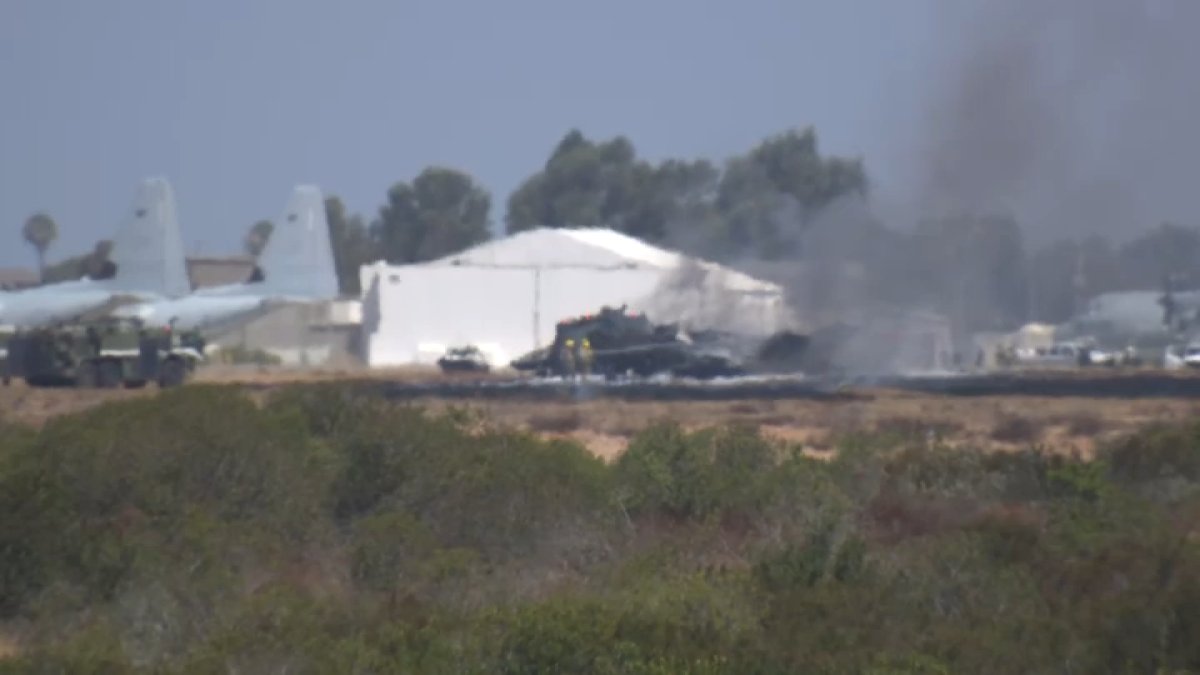
Imagine a really fast, super-advanced airplane that costs as much as a small island. On Friday morning, one of these planes—an F-35 fighter jet—crashed at a military base in California. The plane broke apart and caught fire in a big field. The good news is that only the pilot was on board, but we don’t know yet if they were hurt. Investigators are still trying to figure out why it happened.
| Detail | Information |
|---|---|
| Location | MCAS Miramar (Marine Corps Air Station Miramar) near San Diego, California. |
| Time | Around 10:00 a.m. local time on Friday. |
| Scene | The plane crashed in a field several feet away from the runway, leaving a scorched patch of earth about the size of a football field. |
Important: This is a developing story.
- Cause: Investigators have not yet determined what caused the crash (mechanical failure, bird strike, human error, etc.).
- Pilot Condition: The military spokesperson did not disclose whether the pilot was injured, ejected safely, or their current status.
- Timeline: Final reports from military safety boards often take months to complete.
On Friday morning, an F-35B fighter jet from Marine Aircraft Group 11 crashed shortly after 10:00 a.m. at MCAS Miramar in San Diego. The jet—carrying only the pilot—crashed in a field near the runway, breaking apart and burning a football-field-sized area. The cause is unknown, and the pilot’s condition has not been released. This is an active investigation, and details will likely change as officials release more information.
MCAS stands for Marine Corps Air Station. It’s a major military airport used by the United States Marine Corps. You might know it by its famous nickname: "Fightertown USA" (made famous by the movie Top Gun).
The F-35 Lightning II is a "5th-generation" stealth fighter jet. It’s like a flying super-computer designed to avoid radar, share data with other planes instantly, and strike targets on the ground or in the air. There are three versions; the Marines fly the F-35B, which can take off short distances and land vertically like a helicopter.
We don’t know yet. The military has not released a statement on the pilot’s status. In many military jet crashes, pilots use ejection seats (rocket-powered seats that shoot them out of the plane) to survive, but we must wait for official confirmation.
No. Military aviation has become incredibly safe, but flying high-performance jets always carries risk. The F-35 fleet has flown hundreds of thousands of hours, but like any complex machine, accidents can happen. Every crash is investigated thoroughly to prevent future ones.
Probably not long-term. Usually, the specific fleet involved might be grounded temporarily (paused from flying) until investigators check if there’s a fleet-wide mechanical issue. If it’s an isolated incident, flights resume quickly.