 11
11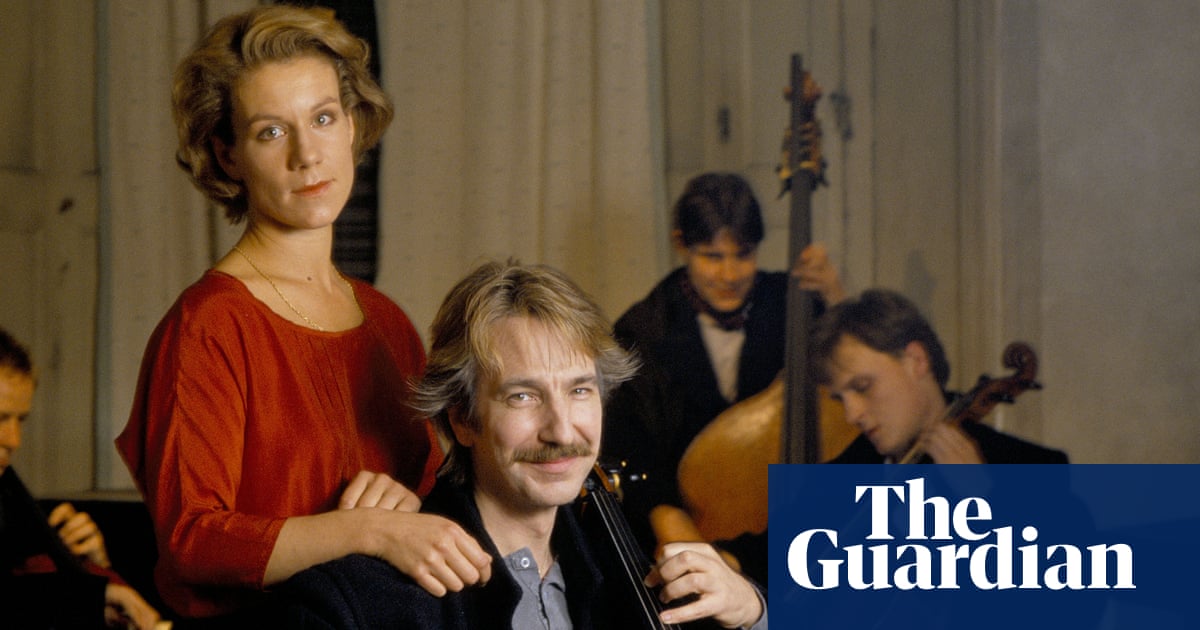
The Big Picture: From Audrey Hepburn to Pedro Pascal, the cello has been stealing scenes for 70 years. It’s not just background music—it’s a character all on its own.
It started with a rom-com. In 1957’s Love in the Afternoon, Audrey Hepburn played a witty young cellist. Since then, the instrument has become cinema’s go-to shorthand for a very specific type of person:
Key Insight: The cello isn’t just a prop. It’s a storytelling shortcut that tells the audience: "This character feels deeply."
Oscar-winning composer Hildur Guðnadóttir (Joker, Tár) explains it simply:
"The cello comes closest to the human vocal range. It can play with intonation—bending notes like a voice does. A piano key is either on or off. The cello? It breathes."
The only other instrument with this quality? The bass clarinet. But you’ll never see a leading man lugging one of those around.
| Reason | Why It Matters on Screen |
|---|---|
| Face always visible | No music stand blocking the actor’s expressions |
| Bow strokes are physical | Big, expressive movements = great cinema |
| Size = struggle | Lugging a giant case = instant character building |
| Body-shaped | Curves like a torso; held like a partner |
Director Richard Shepard (The Perfection) puts it bluntly: "It’s sexy. It’s a sexy instrument." The physicality—wrestling with something bigger than you—makes for compelling drama.
The cello isn’t stuck in arthouse dramas. It’s a genre chameleon:
"You can hide your hands behind a piano. You can lip-sync singing. But the cello? You have to actually play it."
| Actor | Role | Training Payoff |
|---|---|---|
| Emily Watson | Hilary and Jackie | Oscar nomination |
| Jenna Ortega | Wednesday | Golden Globe + Emmy noms |
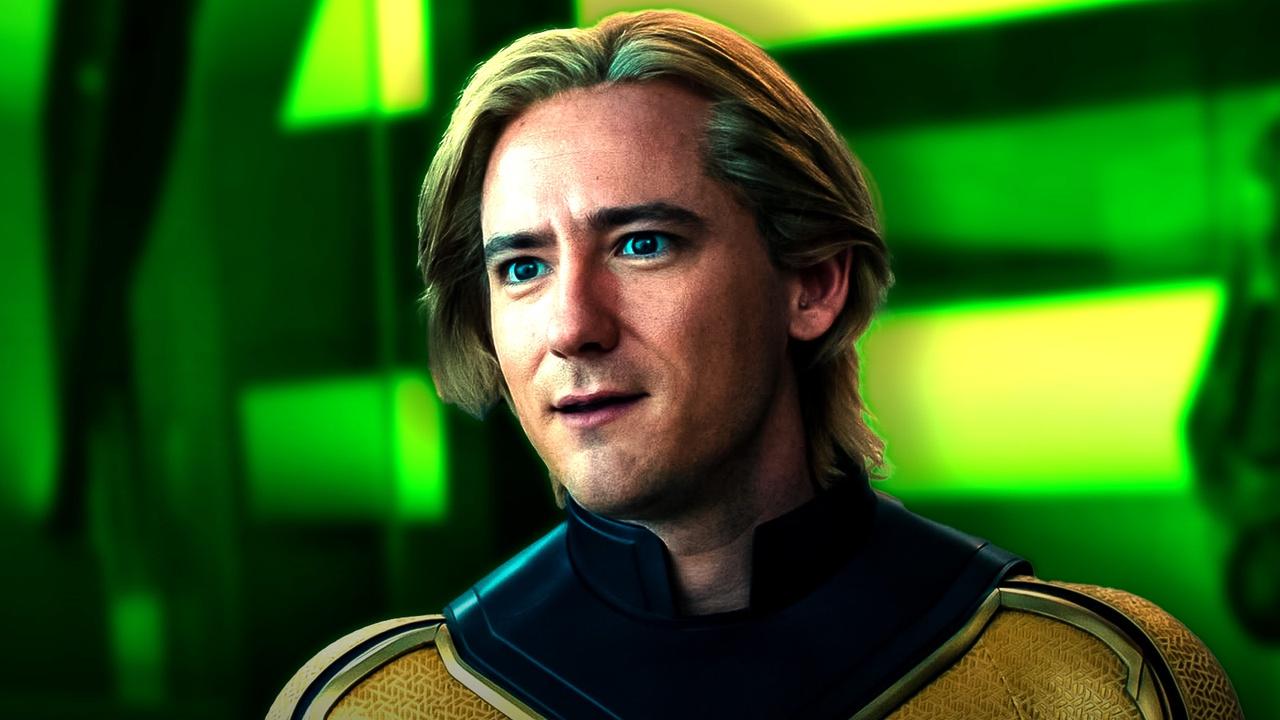
| Pedro Pascal | Behemoth! (upcoming) | "Hardest thing I’ve ever learned" |
Pedro Pascal’s take: Taking on the cello is "literally the hardest, hardest, hardest thing I’ve ever had to learn to do." Awards voters notice.
David Cohen, principal cellist of the London Symphony Orchestra, laughs at the stereotype:
"Filmmakers cast cellists as the emotionally intelligent ones. You never hear the villain say: ‘Just let me finish my Bach Suite…’ It’s the Meryl Streep of the orchestra—noble, lonely, hopeful, quietly heroic, all in one phrase."
Music therapist Catherine Warner adds: The cello is "film music’s favorite therapist." It’s the baseline—the straight man—that lets other characters shine.
In The Witches of Eastwick (1987), Jack Nicholson seduces Susan Sarandon during a cello duet. Warner says it symbolizes her sexual awakening and emotional breakthrough.
In Master and Commander, Paul Bettany’s cello bass line supports Russell Crowe’s violin—a literal musical metaphor for friendship.
The Deep Truth: The cello is a character. As Guðnadóttir says: "The size is close to a human body. The shape looks like a torso. You embrace it, fight it, comfort it, or strangle it."
The bottom line: The cello isn’t an instrument in movies. It’s a co-star. And if Pedro Pascal’s cello gets an Oscar nomination before he does? We wouldn’t be surprised.
Simple: Violins are too high-pitched (less like a voice). Pianos hide the actor’s face and hands. The cello hits the sweet spot: human range + visible face + physical drama.
Mostly real training. Jenna Ortega, Emily Watson, and Pedro Pascal all put in months of practice. The Perfection used actor hands in all but two shots. Audiences can tell the difference.
Not necessarily! David Cohen (LSO principal cellist) says it’s a film trope, not reality. But the instrument’s range does attract expressive personalities.
Hilary and Jackie (1998) – Emily Watson as tragic virtuoso Jacqueline du Pré. It’s the gold standard. The Soloist and A Late Quartet are runners-up.
Joke’s on us: The article ends wondering if we’ll soon see an Oscar category for "Best Bowed String Instrument in a Leading Role." With Pascal’s dedication, his cello might just deserve it.