 11
11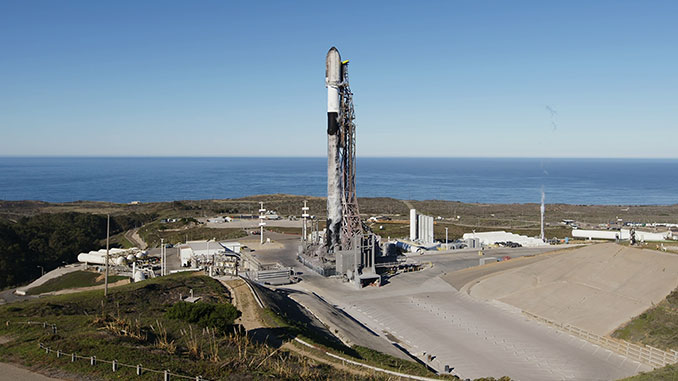
SpaceX is getting ready to send another batch of Starlink internet satellites into space from Vandenberg Space Force Base in California. The launch was originally planned for Monday, July 27, but got pushed back four days. Now, the Falcon 9 rocket is set to lift off on Friday night at 8:08 p.m. PDT (that’s 11:08 p.m. EDT or 0308 UTC).
Important Point: Spaceflight Now will be streaming live coverage starting about 30 minutes before launch, so you can watch it all happen in real time!
The Falcon 9 is SpaceX’s workhorse rocket. It has two main parts:
This flight uses a first-stage booster called B1081. This isn’t its first rodeo—this will be its 26th flight!
Important Point: SpaceX reuses its rocket boosters to save money and reduce waste. B1081 has already launched 15 batches of Starlink satellites plus important missions for NASA and other customers.
Here’s a highlight reel of what this booster has already accomplished:
The Starlink 17-52 mission will carry 24 Starlink V2 Mini Optimized satellites. These are the newer, more capable version of SpaceX’s internet satellites.
Important Point: With this launch, SpaceX will have over 10,800 Starlink satellites in low Earth orbit, beaming internet to users around the world—especially in rural and remote areas where traditional internet isn’t available.
About 8 minutes after liftoff, the first-stage booster B1081 will attempt to land on a droneship (an autonomous landing platform) named "Of Course I Still Love You" floating in the Pacific Ocean.
If successful, this will be:
Important Point: Landing and reusing boosters is what makes SpaceX launches so much cheaper than traditional rockets that are thrown away after one use.
This launch continues a record-breaking year for SpaceX:
| Detail | Information |
|---|---|
| Launch Time | Friday, 8:08 p.m. PDT / 11:08 p.m. EDT / 0308 UTC |
| Launch Site | Space Launch Complex 4 East, Vandenberg Space Force Base, California |
| Live Coverage | Spaceflight Now (starts ~30 minutes before launch) |
| Payload | 24 Starlink V2 Mini Optimized satellites |
| Booster | B1081 (26th flight) |
| Landing | Droneship "Of Course I Still Love You" in Pacific Ocean |
SpaceX is launching 24 more Starlink internet satellites from California on Friday night at 8:08 p.m. PDT. The Falcon 9 rocket will use a veteran booster (B1081) flying for the 26th time. After delivering the satellites to orbit, the booster will attempt to land on a droneship in the Pacific Ocean. This continues SpaceX’s incredible pace in 2026—this is their 90th Falcon launch of the year! You can watch live on Spaceflight Now starting about 30 minutes before liftoff.
Starlink is SpaceX’s satellite internet service. Thousands of small satellites in low Earth orbit beam high-speed internet to users on the ground, especially in areas where cable or fiber internet isn’t available.
Reusing boosters dramatically reduces the cost of spaceflight. Instead of building a new rocket for every launch (like throwing away an airplane after one flight), SpaceX lands, refurbishes, and flies them again—sometimes dozens of times!
A droneship is an autonomous ship equipped with a landing platform. Since the rocket launches over the ocean, the booster can’t fly back to land—it lands on the ship instead. "Of Course I Still Love You" is one of SpaceX’s fleet of droneships.
These are the second-generation (V2) Starlink satellites, but in a smaller "Mini" size that fits on the Falcon 9 rocket. "Optimized" means they’ve been improved for better performance and easier manufacturing.
SpaceX didn’t publicly disclose the reason for the delay. Launch delays are common and can be due to weather, technical checks, range availability, or other factors. Safety always comes first!