11
11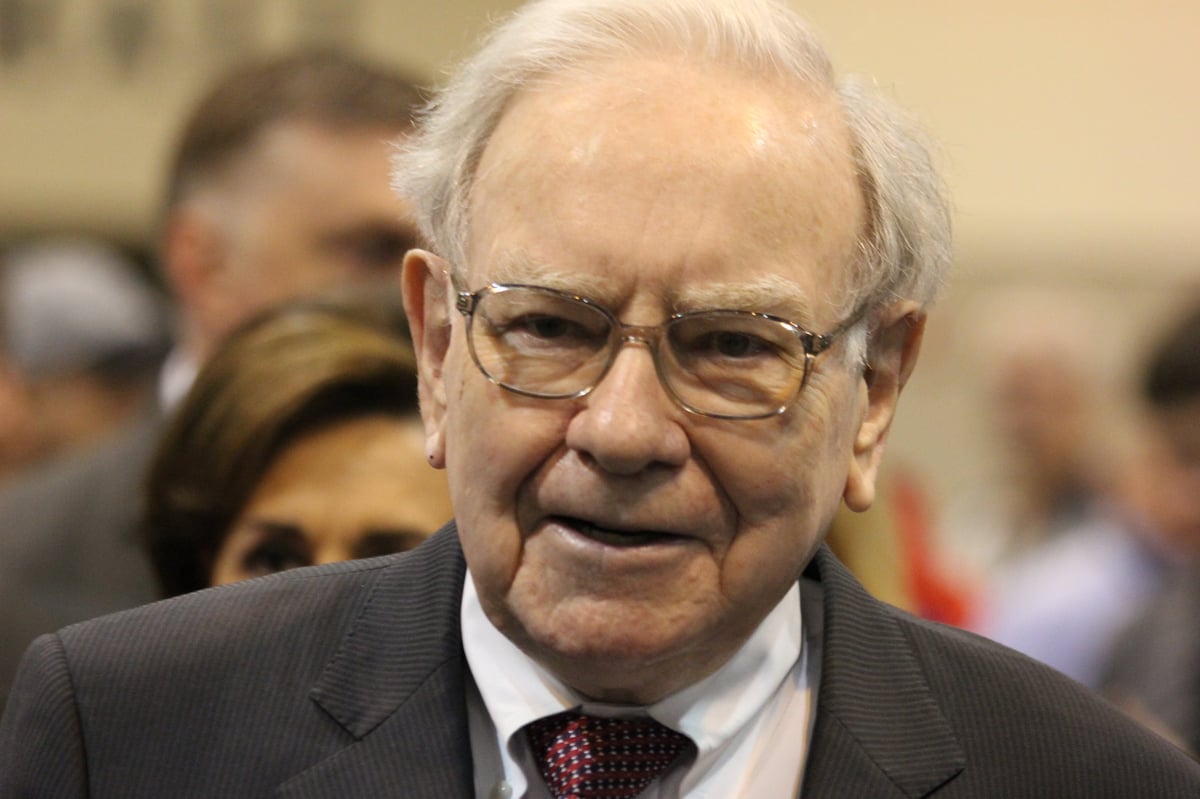
When Warren Buffett talks about investing, the world listens. Known as the "Oracle of Omaha," Buffett has one piece of advice he repeats over and over for regular people who want to grow their money in the stock market:
Just buy a low-cost S&P 500 index fund and hold it for a long time.
It sounds almost too simple, but the numbers back it up. If you had invested $10,000 following this advice 10 years ago, you’d have over $40,000 today.
Think of the S&P 500 as a "greatest hits album" of American businesses. It tracks the 500 largest publicly traded companies in the United States — household names like:
When you buy an S&P 500 index fund, you’re instantly buying a tiny piece of all 500 companies at once. No need to pick winners — you own the whole market.
Buffett specifically recommends the Vanguard S&P 500 ETF (ticker: VOO). Here’s why it’s such a great pick:
| Feature | Details |
|---|---|
| Total Return (10 years) | 303% (as of July 28) |
| Expense Ratio | 0.03% (that’s just $3 per $10,000 invested per year) |
| Assets Under Management | $1.7 trillion |
| Dividend Yield | 1.07% |
| Top Holdings | NVDA (7.51%), AAPL (6.59%), MSFT (4.30%) |
Important Point: An ETF (Exchange-Traded Fund) trades like a stock during market hours, but holds a basket of investments inside. VOO holds all 500 S&P 500 stocks in the exact same proportions as the index.
Studies show that over 90% of professional fund managers fail to beat the S&P 500 over 15+ years. If experts with teams of analysts can’t do it reliably, everyday investors have almost no chance.
Picking individual stocks requires:
Most people have jobs, families, and lives. VOO lets you "set it and forget it."
As CEO of Berkshire Hathaway, Buffett compounded money at ~20% per year for decades — one of the greatest records in history. Yet even he admits beating the S&P 500 is brutally hard.
Buffett’s Famous Bet: In 2007, Buffett bet $1 million that a low-cost S&P 500 index fund would beat a basket of hedge funds over 10 years. He won handily. The index fund returned ~125% vs. the hedge funds’ ~36%.
| Starting Amount | Monthly Addition | Years | Estimated Value (at ~12% avg. return) |
|---|---|---|---|
| $10,000 | $0 | 10 | ~$31,000 |
| $10,000 | $200 | 20 | ~$275,000 |
| $0 | $500 | 30 | ~$1.75 million |
Past performance ≠ future results. The market goes down some years. But historically, the S&P 500 has returned ~10% annually on average over long periods.
No! IVV (iShares) and SPLG (SPDR) are nearly identical with 0.03% expense ratios. Any of them work great — just pick one and stick with it.
That’s actually good news if you’re investing for the long term. You get to buy more shares at lower prices. The S&P 500 has recovered from every crash in history and gone on to new highs.
No. Time in the market beats timing the market. Investing automatically every month (dollar-cost averaging) smooths out the ups and downs.
Buffett says U.S. companies are global companies (Apple sells iPhones worldwide, Coca-Cola is everywhere). But if you want global exposure, add a total international fund like VXUS (20–30% of portfolio).
Only if the entire U.S. economy collapses permanently — in which case money would be the least of your problems. VOO holds 500 companies; they don’t all go to zero at once.
Disclosure: The author and The Motley Fool hold positions in VOO and Berkshire Hathaway. This article is for educational purposes only — not personalized financial advice.