 11
11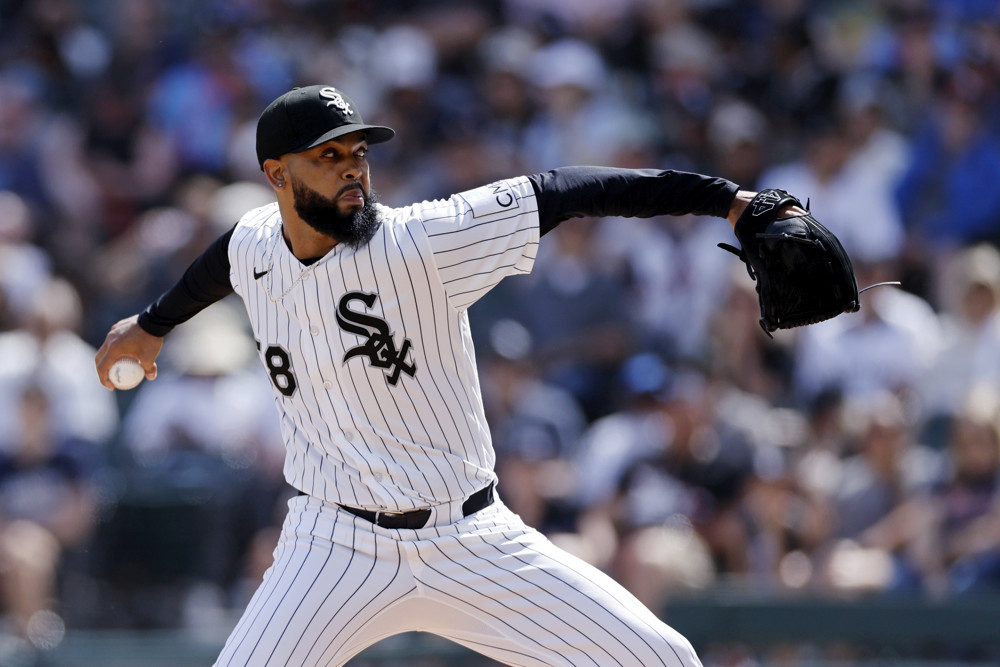
ELI5 Note: Think of a baseball team like a relay race. The starting pitcher runs the first few laps, then hands off to the bullpen (a group of relief pitchers) to finish the race. The closer is usually the fastest runner saved for the final lap. But sometimes the coach changes the plan based on who’s running well that day.
The Chicago White Sox pulled off two stunning walk-off victories (winning in the final at-bat) against the New York Yankees in extra innings. The secret weapon? A bullpen that threw 11 straight innings without allowing a single earned run—all within a single exhausting day.
Wednesday Night:
Thursday Game:
Important Callout: High-leverage situation = A moment where the game is on the line (close score, runners on base, late innings). Managers save their best pitchers for these moments.
Domínguez signed a 2-year, $20 million contract to be the team’s closer (the pitcher who finishes games). But after blowing two saves in a row last month, manager Will Venable stopped using him in the biggest moments.
Domínguez and coaches identified a common pitcher problem: his front shoulder flies open too early during his delivery, causing him to yank pitches off-target (like pulling a door handle too hard and ripping it off).
Domínguez’s Own Words: "If I’m not doing my job right now, I understand that I can’t be in the biggest situation. Thank God we have really good guys here… They’re taking care of it for now and I’m happy for my teammates."
Venable likes a flexible, matchup-based approach (using different pitchers based on who’s hitting). But Domínguez was paid to be the traditional closer. If Domínguez returns to dominance, does Venable give him the 9th inning back—or stick with the committee that’s working?
At 33, Richards looks like a wise veteran with his thick glasses and gray-white hair. But this is arguably his best season since 2021 (45⅔ innings, 3.55 ERA).
A changeup is a slow pitch that looks like a fastball but drops suddenly. Richards’ changeup now has a 48.4% whiff rate (batters swing and miss nearly half the time)—4th best in MLB among pitchers who throw it 200+ times.
Last year, Richards’ changeup got too slow and too loopy ("depthy"). It moved a lot but batters didn’t chase it (swing at it).
His fix:
Simple Analogy: Imagine a magician making a coin disappear. If the trick is too flashy, the audience sees the sleight of hand. Richards toned down the "magic" so batters can’t tell the difference until it’s too late.
Montgomery (21) is the shortstop of the future with elite power (6 HR in June). But July has been rough: .202/.253/.333 with 28 strikeouts vs. 6 walks.
Hitting coach Ryan Fuller explains the daily routine:
Fuller on Montgomery: "He’ll be the first one to tell you, ‘I’m one swing away, I’m one adjustment away.’"
| Player/Group | Current Status | Key Development | What’s Next |
|---|---|---|---|
| Bullpen Committee | Thriving in flexible roles | 11 scoreless IP in 24 hrs vs. Yankees | Will Venable name a closer or keep mixing? |
| Seranthony Domínguez | Fighting back from demotion | Fixed shoulder mechanics; 97 mph + 27.8% K% | Can he reclaim 9th inning? Or stay flexible weapon? |
| Trevor Richards | Career resurrection at 33 | Changeup rebuild: harder, flatter, deadlier | Can he sustain this as a high-leverage option? |
| Colson Montgomery | Power slump at age 21 | Lowering launch angle; fixing "under fastball" miss | Will the adjustment unlock consistent contact? |
A walk-off happens when the home team wins in the bottom of the final inning (or extra innings). The game ends immediately—the losing team literally "walks off" the field.
He throws really hard (97 mph) with a nasty sweeper (slider), so batters swing and miss a lot. But his delivery inconsistency means he often misses the strike zone, giving free passes (walks). It’s the classic "effectively wild" pitcher profile.
A changeup is a deceptive slow pitch thrown with fastball arm speed. If it’s too slow, batters see it coming. Richards found the sweet spot: fast enough to fool them, slow enough to drop.
Launch angle = the vertical angle the ball leaves the bat.
Leverage measures how much a single at-bat changes the team’s chance of winning.
Final Thought: The White Sox are building something interesting—a young, flexible bullpen that adapts daily, a veteran reinventing himself, and a superstar prospect learning to harness his power. Whether Domínguez closes or the committee continues, one thing’s clear: this team finds ways to win.

/https%3A%2F%2Fsportsmole-media-prod.s3.gra.io.cloud.ovh.net%2Fuploads%2F2026%2F07%2Fjoel-huiqui-6a5c5cb13b799215594707.jpg "Cruz Azul vs Atlante: Shock Prediction & Confirmed Lineups Revealed!")