The Jason Arday Story: A Simple Guide to the Controversy Surrounding Cambridge’s Youngest Black Professor
Who Is Jason Arday?
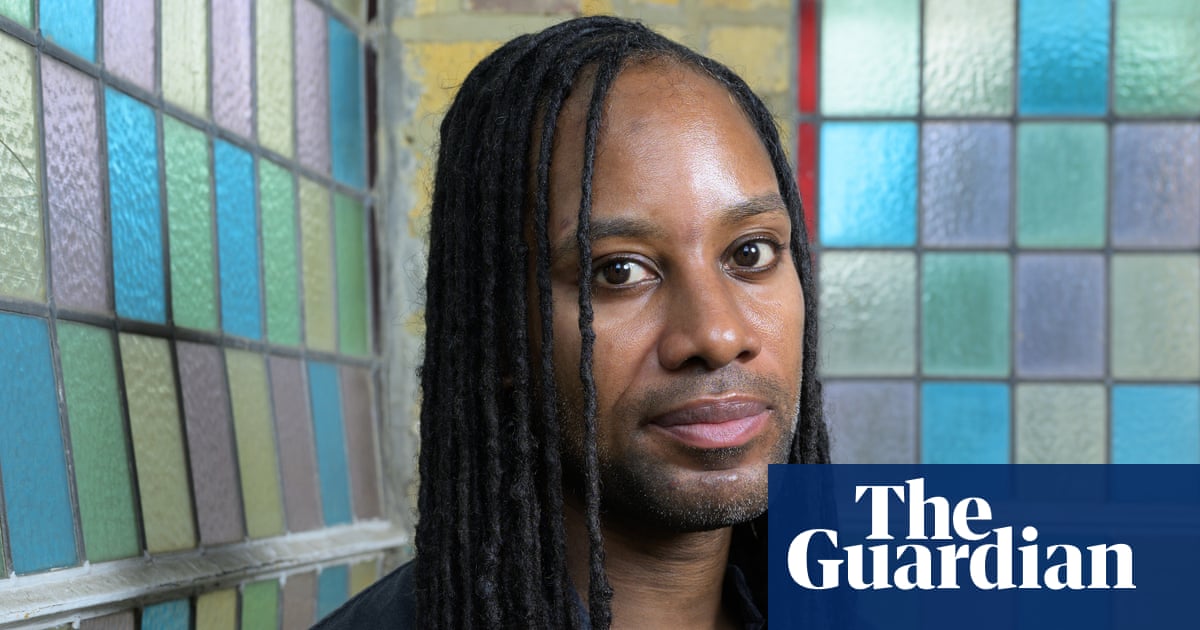
Jason Arday is a British sociologist who made history in March 2023 when he became the youngest Black professor ever hired by the University of Cambridge. He was 37 years old at the time.
His life story is remarkable:
- Diagnosed with autism and global developmental delay at age three
- Could not speak until age 11
- Could not read or write until age 18
- Overcame these challenges to build a successful academic career focusing on race and education
- Worked at several universities (Roehampton, Glasgow, Durham) before joining Cambridge
- Known for extreme charity fundraising, claiming to have raised £5 million over 20 years through endurance running challenges
Important Context: When Arday was hired, Cambridge had only five Black professors total. His appointment came during a time when the university was under pressure to improve diversity after the Black Lives Matter movement.
The "Playbook" Warning
In April 2024, Arday gave a keynote speech at the British Sociological Association’s 75th anniversary conference. His talk was titled "Wanted Dead or Alive: the Playbook."
What Is the "Playbook"?
Arday described a coordinated strategy allegedly used by conservative activists to target and remove Black academics:
- Search through academic work of Black scholars for errors
- Find citation mistakes, inconsistencies, or similar passages to existing papers
- Publicize these "errors" through right-wing media outlets
- Pressure universities to fire or discipline the academics
- Repeat until the academic is forced out
Real-World Examples Arday Cited
- Claudine Gay – First Black woman president of Harvard, forced out after 7 months over plagiarism allegations
- Other Black academics who felt like "sitting ducks" having their work "pulled apart"
- Tragic outcomes – Some academics reportedly died by suicide after being targeted
Key Quote from Arday: "The instruments that are designed to protect academic integrity… are weaponised… That’s the cancer that we need to eradicate from academia."
The Plagiarism Allegations Against Arday
Just months after his warning speech, Arday himself became the target of similar scrutiny.
What Happened?
In July 2026, The Telegraph reported that Nathan Cofnas (an academic with controversial views on race) had run Arday’s PhD thesis through plagiarism detection software.
The Claims:
- Over 100 passages in Arday’s PhD were allegedly similar to a thesis by Paula Zwozdiak-Myers (published 6 years earlier at Brunel University)
- Cofnas claimed passages were "lifted with minimal editing, sometimes retaining copy-editing mistakes from the original source"
- Another critic, Dr. David Harris, had previously raised concerns about Arday’s work, leading to corrections in two papers (2018 and 2020)
Who Are the Critics?
| Critic |
Background |
| Nathan Cofnas |
Self-described "race realist"; previously suggested in a blog post that in a meritocracy there would be "close to zero" Black professors at Harvard; sacked by Cambridge’s Emmanuel College in 2024 |
| Dr. David Harris |
Professor emeritus at Plymouth Marjon University; previously stripped of title over "controversial" post on critical race theory (reinstated in 2026) |
Important Note: Both critics hold controversial views on race and diversity policies. This fact shaped how many people interpreted their allegations.
Cambridge’s Response & Investigations
University’s Official Position
Cambridge strongly defended Arday, calling the claims a "vile smear campaign to undermine his credibility."
Investigation Process:
- Cambridge referred complaints to Liverpool John Moores University (where Arday completed his PhD)
- Liverpool John Moores reviewed the work and found no plagiarism
- Cambridge stated: "It is university procedure that investigations are carried out by the institution at which the research was undertaken… standard practice in the sector"
Arday’s Statement:
"There have been multiple thorough investigations across several institutions as a result of the allegations, and immense scrutiny, including with an academic misconduct panel who concluded that there was no plagiarism or academic misconduct."
The Academic Community Is Divided
Supporters Say:
- Arday is facing unfair scrutiny because he’s a successful Black academic
- Critics have racist motivations (evidenced by their own views)
- An open letter signed by Green Party leader Zack Polanski and academic Kehinde Andrews called it "an orchestrated and grim effort to delegitimise a brilliant, young, working-class academic for the sin of being successful while Black"
Critics (Including Academics of Color) Say:
- The plagiarism claims are legitimate and obvious
- Professor John Preston (University of Essex): "Having seen the evidence, it triangulates and there is, in my judgment, a case to answer here."
- Some fear this could set back race studies in Britain by 20 years
- "Fair for someone at Cambridge, in one of the most prestigious positions in academia" to face scrutiny
Questions About Arday’s Charity Claims
Arday’s personal backstory includes extraordinary fundraising feats that have also come under scrutiny.
The Claims:
| Claim |
Details |
| £5 million raised |
Over 20 years for various charities (sometimes cited as £5.5 million) |
| 30 marathons in 35 days |
Completed during a BTec course at age 17 |
| 600 miles in 6 days |
Claimed at public events and in media interviews |
The Problems:
- £5 million is staggering for a non-famous person – in 2012, Arday said he hoped to raise £250,000 by age 50
- 600 miles in 6 days would be a world-record ultramarathon feat:
- First woman to do it: Megan Eckert (2024)
- Men’s world record: 650 miles (Guinness World Records)
- Arday later clarified: The 600 miles took 12 days, not 6 (with rest days)
- Two universities (Southampton Solent and Anglia Ruskin) amended their websites – removing or correcting the 600-mile/6-day claim
- NDAs – Arday says he can’t name other fundraisers because he signed non-disclosure agreements
The Andy Murray Connection:
- 2012: Arday was an Olympic torchbearer, met Andy Murray on TV show Surprise, Surprise
- Murray said Arday inspired his Olympic gold win
- Murray quoted Arday: "On the 20th day he fell – he had a fit, a seizure – and had a hairline fracture in his leg, but he continued"
- Arday’s explanation: "When I fell over, I didn’t want to have to pay back thousands of pounds"
- Doctors say running 9 marathons with a hairline fibula fracture would be incredibly painful but technically possible
Key Question: Arday says the £5 million was raised "with the help of many fundraising collectives over a two-decade period" – but cannot name them due to NDAs.
Harassment and Threat Claims
Arday says he has faced extreme harassment since joining Cambridge.
What He Reports:
- Racist emails (so intense his emails had to be screened)
- Threatened with a knife, physically assaulted, spat on
- Rape and death threats against him and his family
- Bananas and bullets posted to him via university campus
- Corrosive substances and mutilated animals sent to family home
- Two confrontations with a masked man at his faculty building (one with a knife)
- Panic alarm installed in his office – he says he activated it during second confrontation but no one responded
The Pig’s Head Incident:
- Arday claims a severed pig’s head was delivered to his parents’ home in a cardboard box
- He says he intercepted it, threw it away, and told police months later
- He claims police investigated butchers and found one that sold a "whole hog" that morning
- The Guardian checked: Named butchers said no police visited them
- Metropolitan Police: "Categorically" no investigation took place
Other Verification Issues:
- No photos of bullet, banana, corrosive substance, or pig’s head
- Only close family members saw any items
- No contemporaneous messages discussing the items with friends, family, colleagues, or police
- Did not report intrusions at the time – continued working day, conducted PhD viva 2 hours after alleged knife threat
- Did not inform colleagues a masked man with a knife was in the building
Cambridge’s Security Response:
"As soon as Professor Arday shared concerns with the faculty a number of enhanced security measures were urgently taken… installation of panic alarms, screening of emails, post and packages, upgraded CCTV and revised security protocols."
The Bigger Picture: Racism in Academia
Historical Context:
- Black footballers (e.g., Brendon Batson in 1970s) sent bullets in the post
- Bananas thrown at Black people as racist insults
- Severed pig heads attached to mosques by far-right groups
- Black academics frequently targeted by organized groups
But Arday’s Claims Would Be:
"Some of the most extreme any academic has been subjected to in the UK."
Arday’s Perspective:
"To be honest with you, I thought you’d just believe me… Why would I lie? I would be jeopardising my career."
In His Memoir (Great and Unfortunate Things):
- People "outraged and offended" by a Black professor at elite institution
- Harassment as "targeted campaigns driven by racial animus"
- "There have been days when I can only describe the experience as traumatising."
- References Icarus metaphor: "I always wanted to be a person who flew close to the sun. But sometimes I wonder: did I fly too close?"
Why This Matters Beyond One Person
Professor John Preston (University of Essex):
"The whole area of the sociology of education, and particularly race studies within that, is very fragile… It is primarily Black, Asian and minoritised people who work and study in those subjects. Professor Arday probably holds the top position in the world in sociology of education. It’s important for the whole discipline that he addresses these claims."
Stakes for Everyone:
| For Arday |
For Cambridge |
For Academia |
| Potentially ruinous – plagiarism is the most serious academic offense |
Judgment questions – hired during diversity scrutiny, only 5 Black professors at time |
Race studies credibility – could set field back 20 years |
| Consistently claims innocence |
Track record on race under microscope |
Trust in academic integrity systems |
Media Tone:
- Right-wing outlets (Telegraph): "Outrage and ‘I-told-you-so’ self-righteousness"
- Called Arday a "diversity poster boy"
- Critics share critical views of diversity, equity, and inclusion (DEI) policies
Summary
Jason Arday’s story sits at the intersection of multiple explosive issues:
- A "playbook" allegedly targeting Black academics – which Arday warned about, then experienced himself
- Serious plagiarism allegations – investigated by his PhD university (found no misconduct), but contested by prominent academics
- Extraordinary personal claims – charity fundraising totals and endurance feats that don’t fully add up
- Extreme harassment allegations – knife threats, pig’s head, bullets – with verification gaps
- A polarized academic community – split along lines of race, politics, and beliefs about academic standards
No single narrative explains everything. The controversy reflects deeper battles over:
- Who gets to be an expert on race
- How academic integrity is policed
- Whether diversity initiatives are legitimate or "lowering standards"
- What counts as evidence – in plagiarism, fundraising, and harassment claims
As Arday’s memoir publishes and investigations continue, the academic world watches closely. The outcome may shape British sociology, race studies, and university diversity efforts for years to come.
Frequently Asked Questions (FAQ)
1. Has Jason Arday been found guilty of plagiarism?
No. Liverpool John Moores University (where he did his PhD) investigated and found no plagiarism. Cambridge University calls the allegations a "vile smear campaign." However, several prominent academics – including some scholars of color – say they’ve seen the evidence and believe there is a case to answer.
2. Who is Nathan Cofnas, and why does his involvement matter?
Nathan Cofnas is an academic who first publicized the plagiarism analysis. He describes himself as a "race realist" and previously wrote a blog post arguing that in a meritocracy there would be "close to zero" Black professors at Harvard. He was sacked by Cambridge’s Emmanuel College in 2024. His controversial views on race lead many to question his motives, while others argue the evidence should be judged on its own merits.
3. Did Arday really raise £5 million for charity?
Arday claims he did, over 20 years with "many fundraising collectives." However:
- The figure is extraordinarily high for a non-celebrity
- In 2012, his goal was £250,000 by age 50
- He cannot name other fundraisers due to claimed NDAs
- No independent verification has been provided
4. What about the 600 miles in 6 days claim?
Arday originally claimed this publicly, but later said it was actually 12 days with rest days. Two universities that had honored him amended their websites to remove or correct this claim. The feat as originally stated would have been a world record.
5. Are the harassment claims true?
Arday stands by all his claims and says Cambridge installed panic alarms, upgraded CCTV, and screened his mail based on his reports. However:
- Police have no record of investigating the pig’s head incident
- Butchers named by Arday say no police visited
- No photos, contemporaneous messages, or witnesses beyond close family
- He did not report the faculty intrusions at the time and continued working normally
- The Metropolitan Police called his account of the pig’s head investigation "categorically" incorrect
The Guardian’s investigation found significant gaps in verifiable evidence for the most extreme claims, while confirming Cambridge took security measures seriously based on Arday’s reports.
 1
1