 11
11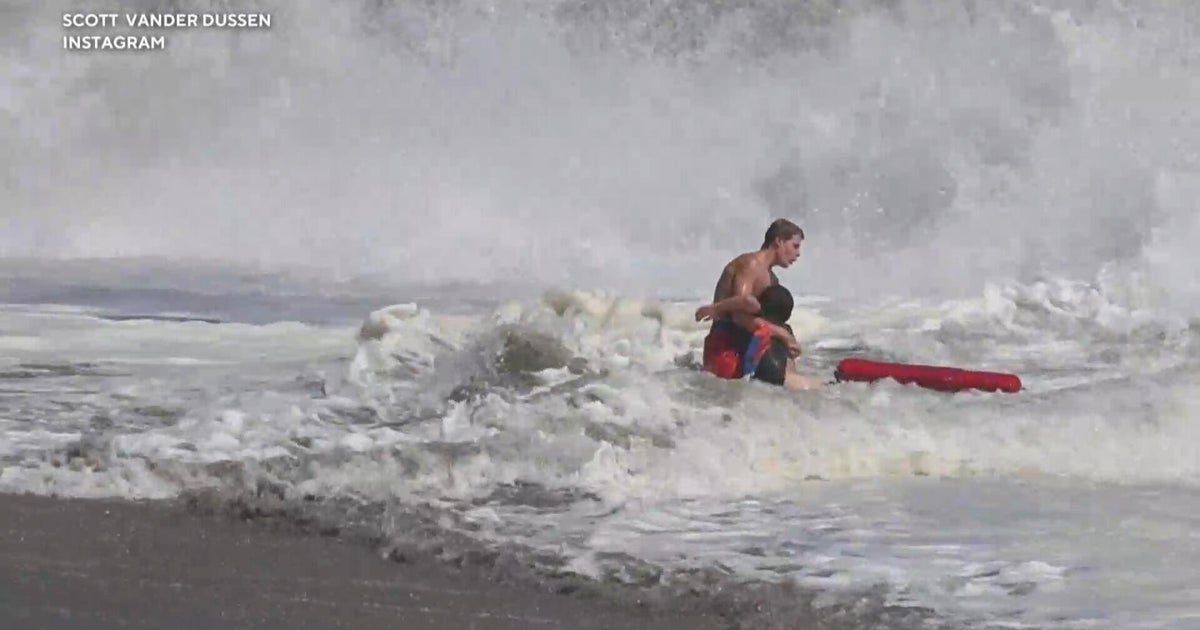
Last month at Seabright State Beach in Santa Cruz, California, a scary but amazing thing happened. A 10-year-old boy named Nathaniel Rai was playing near the water when he suddenly got pulled into the ocean by a rip current.
What is a rip current?
Imagine a strong, invisible river flowing away from the beach out to sea. It can pull even strong swimmers away from shore very fast. It’s not a wave that crashes on you—it’s water moving sideways and outward.
Nathaniel wasn’t even swimming! He was standing on the shore, but the waves were huge that day. He tripped, fell into the water, and the rip current grabbed him instantly.
Nathaniel told "CBS Mornings" exactly how it felt:
Ryder Williams was working as a lifeguard that day. Even though he’s only 16, he knew exactly what to do:
Nathaniel’s father, Sumit Rai, watched the whole thing happen. He said:
IMPORTANT POINT
Nathaniel was unconscious and not breathing when Ryder reached him. His dad said he was "a second or two away from dying." That’s how close it was.
Sumit Rai is forever grateful to Ryder and everyone who helped:
He said: "It took that effort to bring him out and keep him alive. I can’t imagine what life would look like had Ryder not been there."
Ryder Williams stayed humble. In a statement, he said:
"I’m grateful to have had the opportunity to return the child to his family safely. This is my job and I love what I do. I’m thankful to my fellow lifeguards who perform rescues just like this every day."
CALL TO ACTION: STAY SAFE AT THE BEACH
Rip currents are the #1 danger at beaches. Here’s how to stay safe:
- Always swim near a lifeguard – they’re trained to spot trouble
- Never turn your back on the ocean – waves can knock you down anytime
- If caught in a rip current: DON’T PANIC, DON’T FIGHT IT
- Float or tread water
- Wave and yell for help
- Swim parallel to shore (sideways) to escape the current
- Feet first, first time – enter water feet-first to check depth and currents
- Buddy system – never swim alone!
Q: What exactly is a rip current?
A: It’s a strong, narrow channel of water flowing away from the beach out to sea. Think of it like a fast-moving river in the ocean that can pull you out deeper. They form when waves push water toward shore and that water needs to flow back out.
Q: How did Nathaniel get caught if he wasn’t swimming?
A: He was standing on the wet sand near the water’s edge. A big wave knocked him down, and the returning water (the rip current) pulled him out before he could stand up. It happens in seconds!
Q: Why was Ryder able to save him?
A: Ryder is a trained lifeguard. He has special training for exactly this situation: rescue boards, how to approach a panicking person, how to tow someone to safety, and CPR. That’s why swimming near lifeguards is so important!
Q: What should I do if I see someone in trouble in the water?
A: Call for a lifeguard immediately! If there’s no lifeguard, call 911. Don’t jump in yourself unless you’re trained – you could become a second victim. Throw something that floats (cooler, boogie board) if you can.
Q: Can rip currents pull you underwater?
A: No! This is a common myth. Rip currents pull you outward, not down. They don’t suck you under. The danger is panic and exhaustion from fighting the current. That’s why floating and staying calm saves lives.
Remember: The ocean is beautiful but powerful. Respect it, swim near lifeguards, and know what to do in an emergency. Heroes like Ryder Williams are there to help – but the best rescue is the one that never needs to happen!