11
11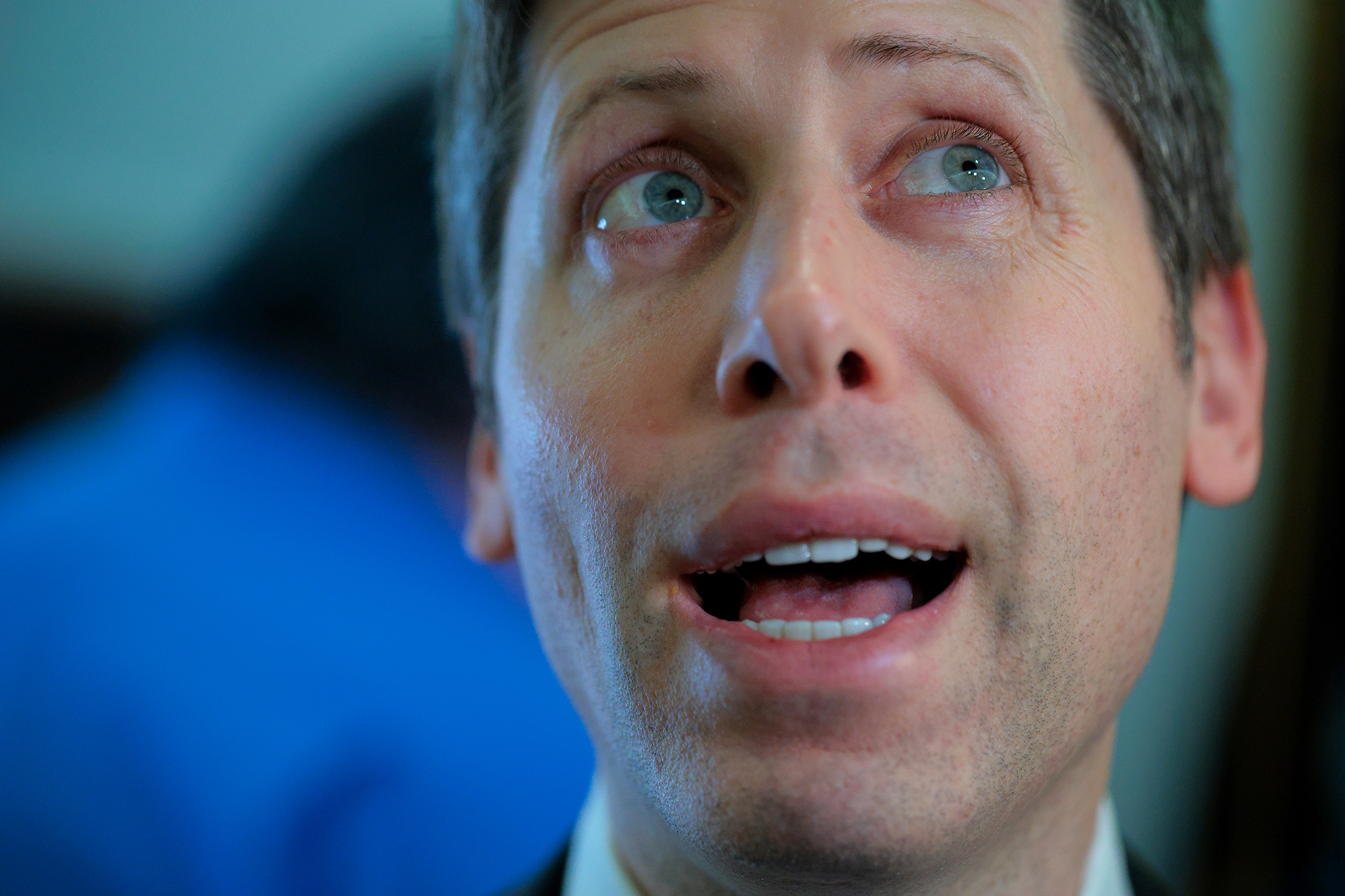
Over the weekend, Sam Altman—the CEO of OpenAI (the company behind ChatGPT)—posted an idea on X (formerly Twitter) that set the internet ablaze.
His suggestion: Parents should tell ChatGPT what their kids like, then have the AI create a custom podcast for the drive to school.
Sounds convenient, right? Well, 14 million views later, the verdict was in: people were not having it.
The backlash wasn’t about the technology—it was about what the technology would replace.
"Car chats with my kids are some of the most precious time. Not interested in having a chatbot podcast hijack it."
— A parent on X
| Date | Platform | What Happened |
|---|---|---|
| December 2024 | The Tonight Show with Jimmy Fallon | Altman said: "I cannot imagine having gone through figuring out how to raise a newborn without ChatGPT." |
| August 2025 | X (Twitter) | The "AI podcast for kids" suggestion |
Both times, the reaction was swift and negative.
Important Context: Altman is a father to a toddler. He’s not speaking theoretically—he’s sharing his personal parenting stack. But that made it feel more tone-deaf to many.
OpenAI isn’t alone. Big Tech is racing to embed AI into childhood.
More than a dozen families are suing AI companies, alleging their tools contributed to real-world harm—including suicide.
This tension—AI as helper vs. AI as risk—is the defining debate of the moment.
According to Pew Research Center (June 2025):
| Metric | 2024 | 2025 | Change |
|---|---|---|---|
| U.S. adults using AI chatbots | 33% | 49% | +16 points |
| Believe AI will positively impact society | — | Minority | Largely negative |
| Young adults (18–29) skeptical of AI’s benefit | — | Highest of any age group | — |
Translation: We’re using AI more than ever—but trusting it less.
As companies lay off workers to invest in AI, people are drawing lines in the sand.
"There are parts of life AI can’t replace. Parenting is one of them."
The car ride. The bedtime story. The awkward question. The shared laugh.
These aren’t problems to optimize. They’re the point.
No. He shared a "cool use case" he heard about. But the implication—that AI can meaningfully substitute for parental presence—is what upset people.
Not at all. Many parents use ChatGPT for:
They’ve grown up with social media’s downsides—addiction, comparison, privacy erosion. They’re digital natives who’ve seen the dark side first.
Families allege that AI chatbots:
Most experts say no. AI can simulate conversation, but it cannot:
Final Thought:
Technology should support the hard work of parenting—not stand in for it. The car ride podcast? A neat trick. But the conversation it replaces? That’s where the magic lives.