11
11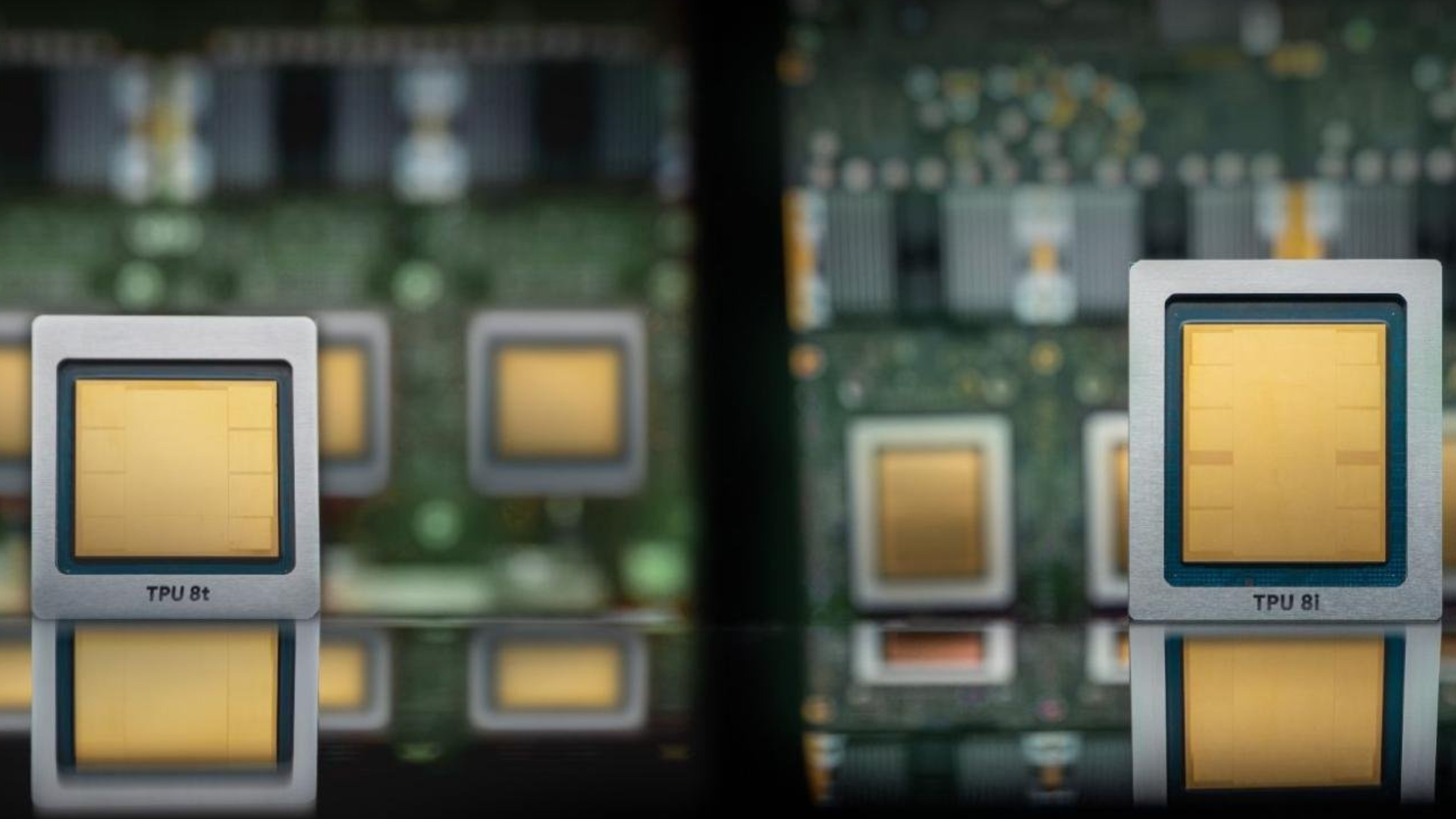
Important Point: For the first time since Google went public in 2004, Alphabet (Google’s parent company) spent more cash than it brought in during a single quarter.
In the second quarter of 2026, Alphabet reported negative free cash flow of $5.9 billion. Think of free cash flow like your household budget: it’s the money left over after paying all your bills and buying what you need to keep the house running. A negative number means they dipped into savings or borrowed money to cover the difference.
The short answer: Alphabet is building AI data centers at breakneck speed.
CFO Anat Ashkenazi raised the full-year spending target:
That’s roughly $200 billion in a single year on AI infrastructure.
Usually, tech giants spend most of their infrastructure budget on constructing data center buildings. But Alphabet flipped that script:
| Category | Share of Q2 Infrastructure Spend |
|---|---|
| Servers (compute hardware) | 60% |
| Data centers & networking | 40% |
Important Point: Most of Alphabet’s marginal dollar now buys compute power — primarily its own custom AI chips called TPUs (Tensor Processing Units) — not bricks and mortar.
The 40% for buildings includes massive projects:
This means the accounting "cost" of all that hardware is climbing, which will pressure profits for years.
TPUs (Tensor Processing Units) are Google’s custom-designed AI chips — built specifically for training and running AI models. Think of them as specialized engines for AI, unlike general-purpose GPUs from Nvidia.
Every TPU Google makes pulls quadruple duty:
Important Point: No other cloud giant has a chip business generating third-party revenue at this scale. This is unique to Google.
Important Point: A big chunk of Q2’s cash outflow bought hardware that sits as inventory today and becomes cash revenue next year. Data center buildings don’t work that way — they’re written down slowly over decades.
| Source | Amount Raised |
|---|---|
| Stock issuance (Class A, Class C, mandatory convertible preferred) | $49.6 billion |
| Bond sales (senior unsecured notes) | $20.3 billion |
| Total new capital | ~$70 billion in one quarter |
| Date | Long-Term Debt |
|---|---|
| ~Mid-2024 | ~$16 billion |
| End of 2025 | $46.5 billion |
| June 30, 2026 | $98.2 billion |
Important Point: Debt has sextupled in roughly two years. The February bond program alone raised >$30 billion across multiple currencies, including a 100-year sterling bond.
| Company | 2026 Capex Estimate |
|---|---|
| Alphabet | $195–205 billion |
| Amazon | ~$200 billion |
| Meta | $125–145 billion |
| Microsoft | (part of ~$725B total) |
| TOTAL | ~$725 billion |
That’s a 77% increase over 2025.
| Metric | Q2 2026 | The Catch |
|---|---|---|
| Net Income | $112.1 billion | $99 billion (88%) came from unrealized gains on equity securities — basically paper profits on investments, not operating business |
| Diluted EPS | $9.11 | $6.26 of that from those paper gains |
| Operating Income | $40.8 billion | Up 30% year-over-year — this is the "clean" measure of core business performance |
Important Point: Operating income (profit from actual business operations) is the healthier number to watch. It grew 30% — very strong.
This backlog is the collateral behind the spending — Alphabet is building for demand it’s already contracted, not demand it hopes to find.
Important Point: The question isn’t whether Alphabet returns to positive free cash flow in any given quarter. It’s whether operating cash flow (up 41% YoY in Q2) can keep growing faster than spending that shows no sign of slowing down.
It means Alphabet spent more on long-term investments (servers, data centers) than its core business generated in cash this quarter. It’s not "losing money" in the everyday sense — operating profit was $40.8B. But it had to borrow ~$70B to fund the buildout. Think of it like a profitable construction company taking a loan to buy a fleet of bulldozers for a huge new contract.
Nvidia GPUs are the industry standard for most companies. But Google designs its own TPUs specifically for its workloads (Search, YouTube, Gemini, Cloud). This gives them cost and performance advantages at massive scale. Now they’re selling those chips to competitors like Anthropic and Meta — turning a cost center into a revenue stream no other hyperscaler has.
Not necessarily. Alphabet generates ~$40B+ in operating profit per quarter and has a massive cash pile. The debt is long-term (including a 100-year bond), low-interest, and funding assets (servers, data centers) that generate revenue. But the trajectory — 6x debt in ~2 years — is aggressive and bears watching if AI demand softens.
Backlog = contracted future revenue not yet recognized. Google Cloud’s $514B backlog (up $50B in one quarter) means customers have legally committed to buy massive amounts of compute capacity. This isn’t speculative building — it’s building for signed contracts. Over half converts to revenue within 2 years.
Management didn’t give a date. They said FCF "will remain under pressure" and capex rises again in 2027. The swing factor: TPU sales revenue (mostly arriving 2027+) and whether operating cash flow growth (41% YoY in Q2) can sustainably outpace capex growth. It’s a multi-year investment cycle, not a quarterly fix.