 11
11
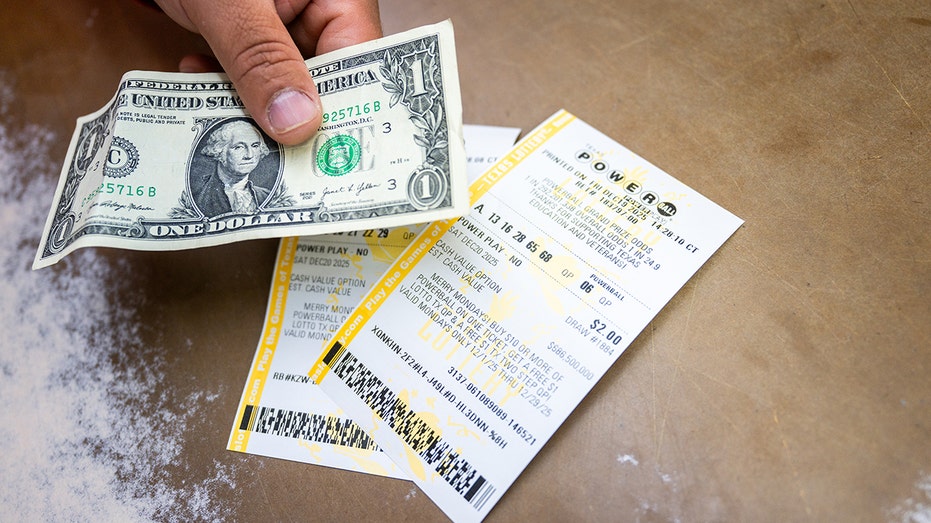
Photo: Brandon Bell/Getty Images
Imagine a giant piggy bank that keeps getting fatter because nobody has cracked it open yet. That’s exactly what’s happening with Powerball right now!
IMPORTANT POINT
If you hold the winning ticket, you have two choices for getting your money:
- Cash option (lump sum): ~$341.6 million before taxes — all at once
- Annuity option: 30 payments over 29 years, with each payment growing 5% per year
Jeffery Degner is a research fellow at the American Institute for Economic Research. Think of him as a money doctor who studies how people make financial decisions. He shared his top advice with FOX Business for anyone lucky enough to win.

Photo: FOX Business
Degner’s #1 rule: Stay invisible if you can.
CALL OUT: WHY PRIVACY MATTERS
Going public with a massive windfall is like wearing a sign that says "I have millions — please ask me for money!" It attracts scams, lawsuits, and people who suddenly "remember" they’re your best friend.
Before you buy a single thing, hire two professionals:
| Professional | Why You Need Them |
|---|---|
| Tax Attorney | Knows tax laws inside-out; helps you legally keep more money |
| Certified Public Accountant (CPA) | Handles the math, filing, and ongoing money management |
IMPORTANT POINT
Do this immediately — before you claim the prize. These pros pay for themselves many times over.
Taxes are the biggest "hidden cost" of winning. Here’s the simple breakdown:
SIMPLE EXAMPLE
On a $341.6M cash prize:
- $82M withheld immediately (24%)
- ~$44M more due at tax time (13% difference to 37%)
- You keep roughly $215M — still life-changing, but know the real number!
This is like choosing between a giant pizza delivered now or one slice a year that gets slightly bigger each year.
"When it’s all said and done, they actually are fairly close in the total return."
Translation: Neither is clearly "better" — pick based on your personality. Want control? Lump sum. Want guardrails? Annuity.
Degner warns winners to hit pause on big life changes for the first few months.
CALL OUT: WHAT IS "LIFESTYLE CREEP"?
Imagine you start buying $10 coffee every day because "I can afford it now." Then you upgrade to first-class flights. Then you need a bigger house for the "extra stuff." Suddenly you’re spending millions a year just to maintain your new normal. That’s lifestyle creep — and it bankrupts lottery winners.
Before the fun stuff, handle the boring (but critical) basics:
Just for context — here’s how the game works:
| Detail | Info |
|---|---|
| Ticket cost | $2 per play |
| Where sold | 45 states + Washington D.C., Puerto Rico, U.S. Virgin Islands, United Kingdom |
| Odds — any prize | 1 in 24.9 |
| Odds — jackpot | 1 in 292.2 million |
| Drawings | Monday, Wednesday, Saturday at 10:59 PM ET |
PERSPECTIVE
You’re more likely to be struck by lightning while singing "Happy Birthday" than win the jackpot. But hey — someone does win eventually!
If you’re holding that golden ticket, here’s your simple priority list:
It depends on your state. Some states (like Delaware, Kansas, Maryland) allow full anonymity. Others (like California, New York) require public disclosure. Check your state lottery website or ask your attorney.
Sign the back immediately! A signed ticket is a "bearer instrument" — whoever holds it can claim. If unsigned and lost, anyone who finds it could claim. Store it like it’s made of gold (because it is).
No universal "right" answer. Lump sum = control + investment potential. Annuity = forced savings + inflation protection. Degner says returns are "fairly close." Your financial team should model both for your specific situation.
Typically 90 days to 1 year, depending on the state. Don’t wait — but don’t rush in without your team ready.
Spending too fast without a plan. Whether it’s mansions, "helping" everyone, or bad investments — the money vanishes shockingly quickly. The 90-day pause is your best defense.
FINAL THOUGHT
Winning the lottery isn’t a financial plan — it’s a financial event. What happens next depends entirely on the decisions you make in the first 90 days. Be the winner who keeps the money, not the one who becomes a cautionary tale.
Good luck — and if you win, remember: shhh, hire pros, think long-term!