 11
11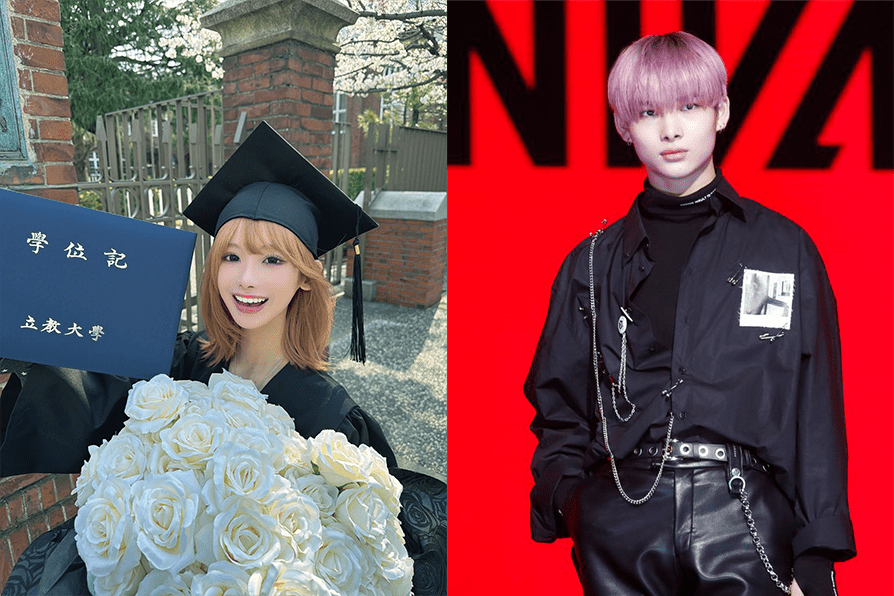
A young woman from Japan, known online as Mina, has sadly passed away at age 26. She was a big fan of the K-pop group ENHYPEN, especially member NI-KI (whose real name is Nishimura Riki).
Mina was very active in the fandom — she went to fan signing events and had many followers on Instagram. But after a concert in late July, things took a terrible turn.
Important Context: This all began over a small moment during a concert — not something dangerous or harmful.
Here’s what happened, step by step:
The Concert Moment
At an ENHYPEN concert, Mina hoped that member Sunoo (Kim Seon-woo) would pass a sunflower prop to NI-KI during the show.
The Exchange
Sunoo did try to hand the sunflower to NI-KI — but NI-KI didn’t take it. The moment ended there.
The Livestream Comment
Later, NI-KI went live and talked about fan interactions at the concert. He gently said he hoped fans would focus more on the performance itself rather than individual moments with members.
→ He did not name anyone, but some fans thought he was talking about Mina.
The Backlash Begins
Many fans started criticizing Mina online. They said she “crossed boundaries” by wanting a special moment between idols.
Mina Apologized
She posted a public apology — but the hate didn’t stop.
This isn’t just about one fan or one group. It shows a bigger problem in online fan communities.
Cyrus Ng studies K-pop and Korean culture. Here’s what he says:
Ng says:
“Without proper guidance, fandom communities can become increasingly toxic.”
| Who | What They Should Do |
|---|---|
| Social Media Platforms | Better tools to stop harassment & coordinated attacks |
| Entertainment Agencies | Teach healthy fan culture, set clear boundaries between idols & fans |
| Fans | Remember: idols are people. Other fans are people too. Kindness > clout |
No. Wanting a cute moment between idols is normal fan behavior. She didn’t force anything — she just hoped for it. The backlash was disproportionate.
No. He never named her. He only said fans should focus on the performance. But some fans interpreted it as shade — and ran with it.
Competition for attention. Some fans don’t just want to support — they want to be special to the idol. When someone else gets a “moment,” jealousy can turn into cruelty.
They can guide it. Agencies set the tone — if they encourage “fan service” and parasocial bonds without boundaries, toxicity grows. Clear rules help.
Final Thought:
A young woman is gone. Not because of a crime — but because of cruelty disguised as fandom.
Let’s make “stan culture” stand for support, not shame.