
Popular Posts

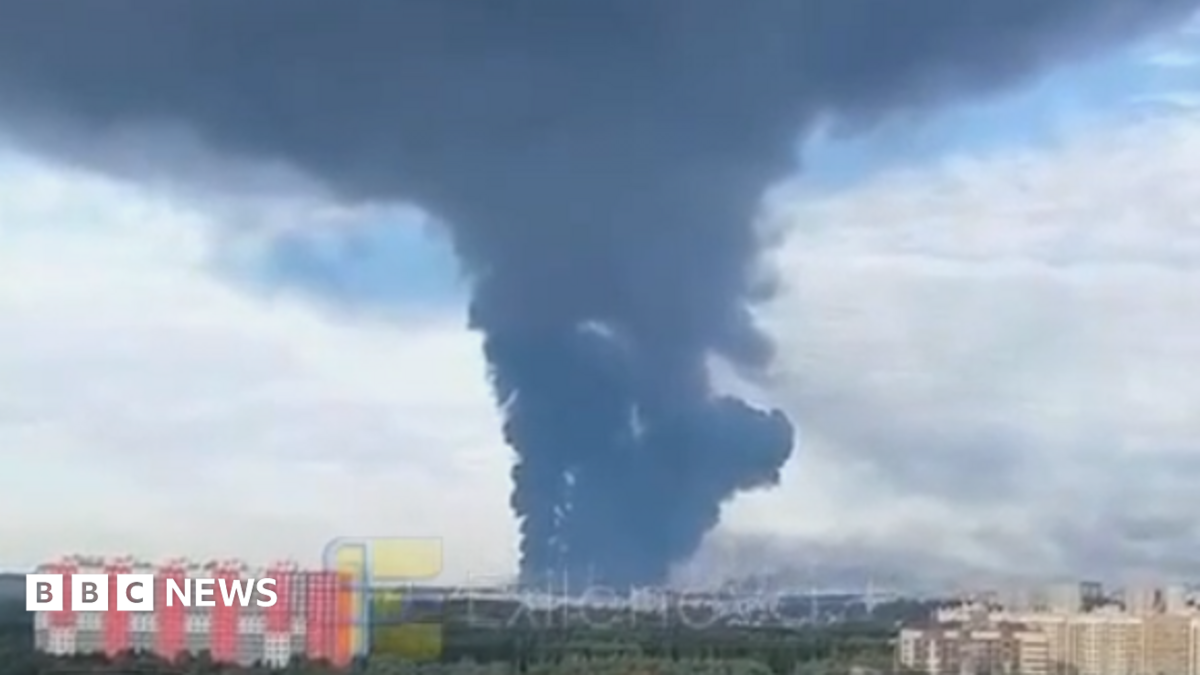
Ukraine Strikes Deep: Two Refineries Hit, Massive Smoke Plume Erupts

Ukraine Strikes Deep: Two Refineries Hit, Massive Smoke Plume Erupts

Ukrainian Drone Attacks Become Top Worry for Russians, New Poll Reveals

What’s Happening?

Imagine living in a city far from a war zone, thinking you’re safe — only to hear drones buzzing overhead and see smoke rising from nearby buildings. That’s becoming a reality for many people in Russia right now.

A recent poll shared with the BBC shows that Ukrainian drone strikes on Russian cities — even those hundreds of kilometers from the border — have become the number one concern for ordinary Russians. This marks a major shift in how people inside Russia are experiencing the war.

Important Point
The poll was conducted by ExtremeScan, an independent research group based in the European Union. The BBC reviewed the results but did not run the poll itself.

Why Are People So Worried?

Here are the main reasons Russians are feeling anxious:

  • Drones reaching deep into Russia: Ukrainian drones are no longer just hitting border areas — they’re striking cities like Moscow and surrounding regions.
  • Everyday life disrupted: Attacks cause evacuations, damage homes, and create fear of sudden explosions.
  • Internet and price problems: On top of drone fears, people are dealing with rising prices and internet outages.
  • War feels closer than ever: For many, the "special military operation" (what Russia calls its invasion of Ukraine) no longer feels far away.

What the Poll Numbers Show

The ExtremeScan poll from July 2026 revealed some striking trends:

  1. Over 50% of respondents do NOT support the war — the first time since August 2024 that opposition has been in the majority.
  2. Support for United Russia (the ruling party) has dropped to 33% — its lowest level since the full-scale invasion began in February 2022.
  3. Anxiety levels are rising sharply — sociologists say this is a better measure of true public mood than approval ratings for leaders.

Important Point
The last time a majority opposed the war was August 2024, when Ukrainian forces launched a surprise incursion into Russia’s Kursk region. That event also shook public confidence.

What This Means for the Kremlin

With State Duma elections coming in September 2026, these numbers are a warning sign for the government:

  • The ruling party is losing ground.
  • Public fear is growing — not just about the war, but about safety at home.
  • The narrative that the war is "going to plan" is getting harder to maintain when drones hit Moscow suburbs.

Summary

  • Ukrainian drone attacks on Russian cities far from the front lines are now the top public concern in Russia.
  • A new independent poll shows over half of Russians oppose the war — a first since mid-2024.
  • Support for the ruling United Russia party has fallen to 33%, its lowest since the invasion began.
  • Rising anxiety is a more honest signal of public mood than official approval ratings.
  • These trends come just before important parliamentary elections in September 2026.

FAQ

Why are Ukrainian drones reaching deep into Russia?

Ukraine has developed longer-range drones that can fly hundreds of kilometers. They target military sites, oil refineries, and infrastructure to weaken Russia’s ability to wage war.

What is the "special military operation"?

That’s the term the Russian government uses for its full-scale invasion of Ukraine, which began in February 2022. Most of the world calls it a war or unprovoked aggression.

Who is ExtremeScan?

An independent research group based in the EU that conducts polls inside Russia. Because they’re outside government control, their data is seen as more reliable than state-run surveys.

Why does anxiety matter more than approval ratings?

In tightly controlled societies, people may say they approve of leaders out of fear. But anxiety — trouble sleeping, fear for family, desire to leave — shows how people really feel.

Could this change the war?

Growing domestic pressure might force the Kremlin to rethink its strategy — but so far, the leadership has doubled down. The September elections will be a key test of whether public anger translates into political change.

Leave a Reply

Your email address will not be published. Required fields are marked *