11
11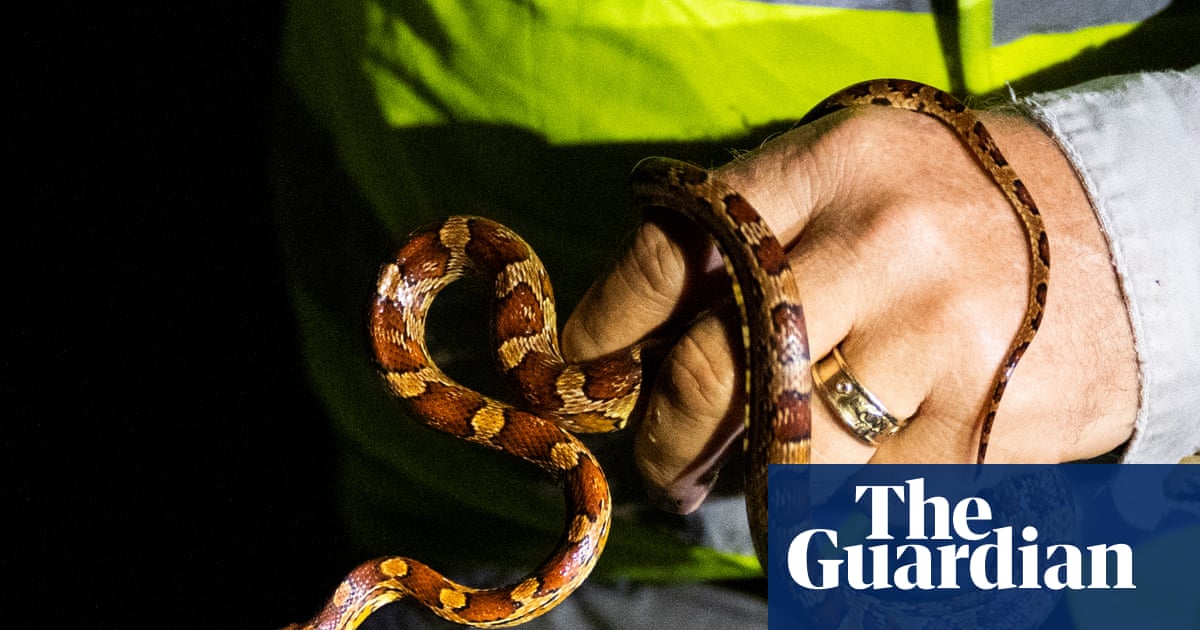
Imagine a big contest where people go into the swamp to catch giant snakes. That’s basically the Florida Python Challenge! Every year, the state invites hunters to spend 10 days catching as many Burmese pythons as they can. The goal? Protect the Everglades from these invasive snakes.
Important Point: This isn’t just a contest—it’s a conservation mission. Every snake removed helps save native animals like rabbits, raccoons, and birds.
Tom Rahill took home the $10,000 grand prize after catching 96 pythons in just 10 days—all from the Everglades National Park.
| Stat | Number |
|---|---|
| Participants | 907 |
| States represented | 30 |
| Countries represented | 3 (USA, Canada, Vietnam) |
| Snakes caught during challenge | 280 |
| Snakes caught this year before challenge | 1,400 |
| Total removed since 2017 (challenge + contractors) | 19,000+ |
Important Point: That’s why the challenge happens in summer—during hatching season—so hunters can catch more snakes before they grow up and cause more damage.
Important Point: As FWC’s Sarah Funck said: “There’s no silver bullet… but eliminating just one python is a win for Florida’s native wildlife.”
The Florida Python Challenge is a 10-day hunt where people catch invasive Burmese pythons to save the Everglades. This year, Tom Rahill caught 96 snakes and won $10,000. Since 2017, over 19,000 pythons have been removed. The snakes—native to Asia—have devastated local wildlife, lay tons of eggs, and are nearly impossible to find. The challenge helps by removing snakes, teaching people, and even healing veterans. It’s not a perfect fix, but every snake counts.
An animal or plant that’s not from here and causes harm to the environment, economy, or health. Burmese pythons eat native animals and have no natural enemies in Florida.
Most likely: pet releases or escapes from homes or breeding facilities during hurricanes in the 1990s.
Yes! You need a free permit and to pass a short online training on safe, humane capture. No experience needed.
They’re humanely euthanized (put to sleep painlessly) and turned in for counting. Some are studied by scientists.
Yes! Over 19,000 pythons removed since 2017—and every one means more native animals survive. But experts say we need more tools (like traps, dogs, and new tech) to really turn the tide.


/AI%20(artificial%20intelligence)/AI%20Data%20Center%20by%20Gorodenkoff%20via%20Shutterstock.jpg "Dell & Super Micro Soar: Market Signals The ONLY AI Stock to Buy")