Wilbon’s Brutal Verdict: Stephen A. Is No Journalist
Is Stephen A. Smith Still a Journalist? Michael Wilbon Weighs In
Quick Note: This article breaks down a recent conversation from The Awful Announcing Podcast where longtime ESPN personality Michael Wilbon explained why he believes his former colleague Stephen A. Smith is no longer a journalist—but something else entirely.
The Background: What Started This Conversation?
Stephen A. Smith is one of the most famous voices in sports media. He hosts First Take, ESPN’s popular morning debate show. But lately, people have been asking a big question: Is he still a journalist?
The Spark: Jaylen Brown Speaks Up
- NBA star Jaylen Brown recently called out Smith on social media
- Brown challenged Smith’s "journalistic integrity"
- Brown said Smith’s criticism of him felt overly personal, not professional
- This isn’t the first time—Smith often falls back on "I’m a journalist" when he gets into feuds with athletes or other commentators
Michael Wilbon’s Take: "He’s a Show, Not a Journalist"
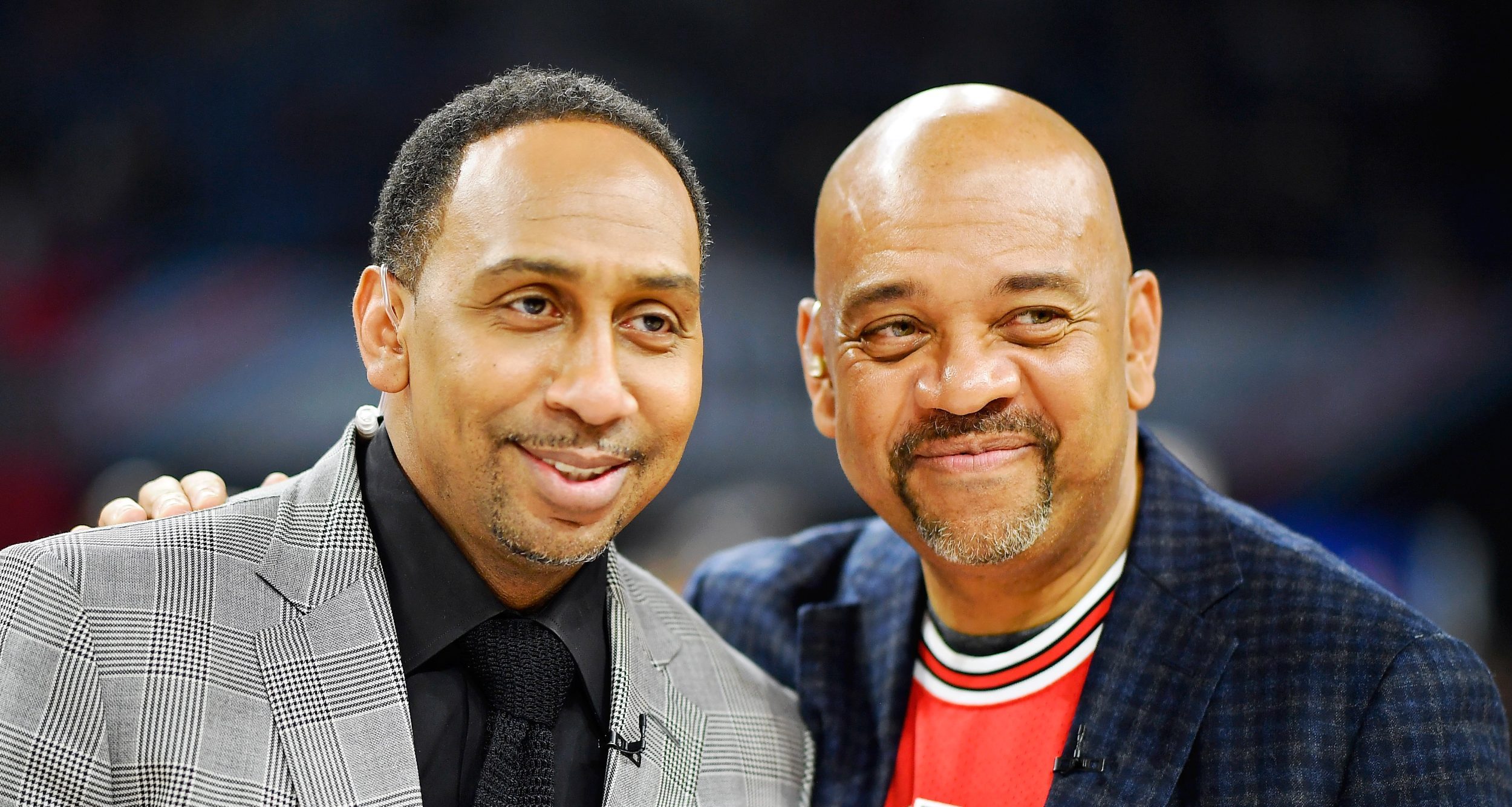
Michael Wilbon knows Stephen A. Smith really well. They worked together at the Philadelphia Inquirer newspaper years ago—shoulder to shoulder in press boxes, at practices, and on press row.
When Wilbon appeared on The Awful Announcing Podcast, he didn’t hold back:
"Stop, you’re not a journalist anymore. You’re not doing what you did at the Philly Inquirer… Stephen A. is a show. He knows it. He wants to be the show, and he’s doing a damn good job at it."
What Wilbon Means by "A Show"
- Smith’s job now is entertainment and debate, not reporting
- He gets paid to have strong opinions—to be a "know-it-all" (Wilbon’s words, not an insult!)
- He has spawned a whole generation of sports media people who want to be "the show" too
- Wilbon says: "Good for Stephen A.; he knows that."
What Does "Boots on the Ground" Mean?
Wilbon explains the core difference with a simple standard:
"You’ve gotta show up. When you write that column that’s negative about the first baseman, your a better be at the cage the next day. That’s journalism."**
Breaking It Down: Reporter vs. TV Host
| Traditional Journalist (Reporter) | TV Debate Show Host |
|---|---|
| Shows up every day at games, practices, locker rooms | Works from a studio |
| Talks to players, coaches, staff face-to-face | Comments on games from afar |
| Must face the people they criticize the next day | Doesn’t have to answer to anyone covered |
| Accountable to sources and subjects | Accountable to ratings and audience |
| Gathers original information | Reacts to information others gathered |
The Difference Between Reporting and Being a "Know-It-All"
Wilbon admits he made the same choice Smith did: leaving reporting for a bigger TV role. But he’s honest about what that means:
- They chose a different path — More money, higher profile, but not reporting
- The title changed — From "journalist" to "know-it-all" (Wilbon’s term for the TV role)
- It’s hard to let go — Wilbon says: "We try to hold onto it because it’s what we value. We value that more than the show."
- But you can’t have it both ways — You can’t claim the credibility of a reporter while doing the job of a performer
Why This Matters: Accountability in Journalism
Important Point: Journalism isn’t just about writing stories or knowing facts. It’s about accountability.
What Real Journalism Requires:
- Showing up — Being there day after day
- Facing consequences — If you criticize someone, you see them tomorrow
- Engaging with perspectives — Listening to the people you cover, not just talking at them
- Earning trust — Through consistent presence, not just loud opinions
Smith’s Current Lane:
- Host of a morning debate show (First Take)
- Job is to generate friction, opinions, and entertainment
- Not to gather news or hold power accountable daily
- That’s a valid and successful career — just a different one
Stephen A. Smith’s History: He Was a Reporter
Let’s be fair — Smith earned his journalist credentials early on:
- Nationally recognized NBA reporter
- Respected columnist at the Philadelphia Inquirer
- Did the work: press row, press boxes, practices, locker rooms
- Wilbon confirms this: "I know what you did there because I was shoulder to shoulder with you"
But Wilbon’s point: that was then. This is now.
Smith often adopts his old identity to defend his "integrity and honesty" today. But by Wilbon’s definition—and many others’—journalism is a daily practice, not a lifetime membership card.
Summary
| Key Takeaway | What It Means |
|---|---|
| Smith was a journalist | He did the hard work of reporting for years at the Philly Inquirer |
| Smith chose TV over reporting | Like Wilbon, he left the grind for a bigger platform and paycheck |
| "Journalist" ≠ "TV Personality" | The jobs require different things: presence vs. performance |
| Accountability is the core | Real journalists face the people they cover; TV hosts don’t have to |
| Wilbon respects the hustle | He calls Smith "a show" as a compliment—he’s great at what he does |
| Labels matter | Claiming "journalist" status without the work blurs an important line |
FAQ: Your Questions Answered
Was Stephen A. Smith ever a real journalist?
Yes! Early in his career, he was a nationally recognized NBA reporter and columnist at the Philadelphia Inquirer. Michael Wilbon worked right alongside him and confirms he did the job the right way.
Why does Michael Wilbon say Smith is "a show"?
Wilbon means Smith’s current job is entertainment and debate—not reporting. He says this as a compliment: Smith is excellent at being a TV personality. "Know-it-all" is Wilbon’s term for the role, not an insult.
What’s the difference between a journalist and a TV host?
A journalist shows up daily where news happens (locker rooms, practices, games), talks to sources face-to-face, and must answer to the people they cover. A TV host works from a studio, offers opinions on news others gathered, and answers to ratings.
Can someone be both a journalist and a TV host?
It’s possible but rare. Wilbon argues that once you stop doing the daily grind of reporting—stop showing up—you’ve left journalism behind. You can use journalism skills, but you’re not practicing journalism.
Why does Smith keep saying he’s a journalist?
Wilbon thinks it’s because that identity matters to him. It’s what he values from his early career. But Wilbon says: "Stop. You’re not. Not anymore." Smith can reference his past work, but he shouldn’t claim the title for his current role.
Final Thought: There’s nothing wrong with being "a show." Stephen A. Smith is one of the best ever at it. But words mean things—and "journalist" describes a daily practice of accountability, not a past accomplishment.