11
11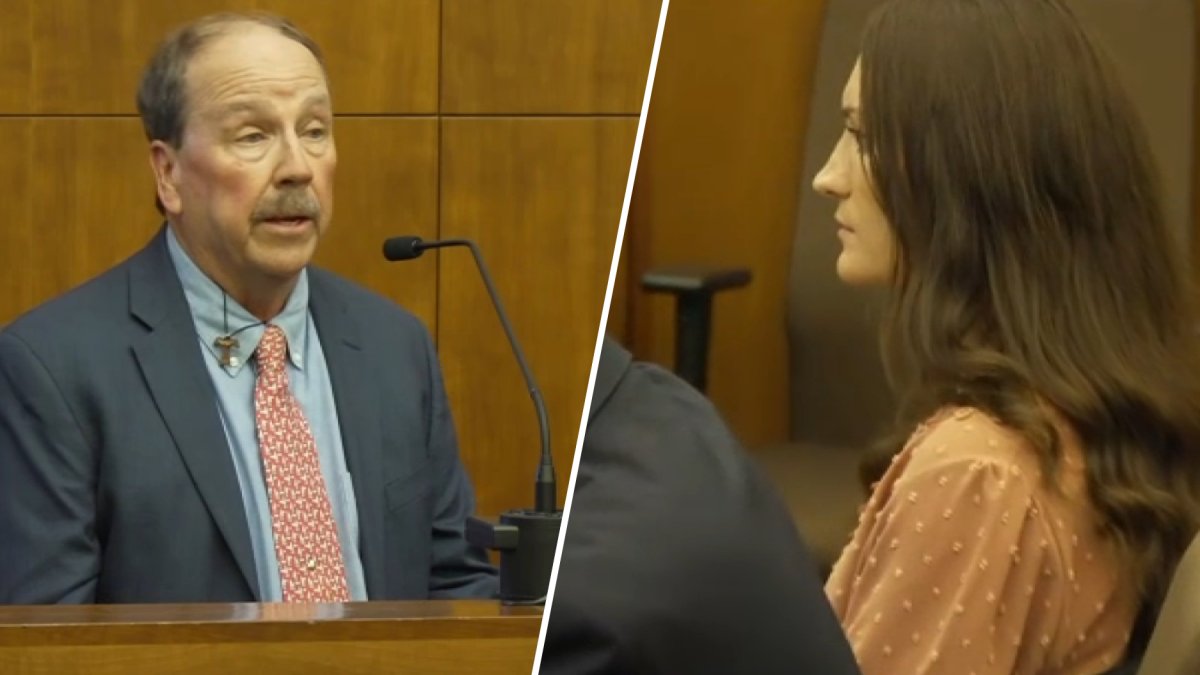
Thursday was a long and emotional day in the Lindsay Clancy murder trial. The jury heard from several important witnesses, and saw some very difficult evidence. Here is a simple breakdown of what happened.
Once the jury was excused for the day, the lawyers stayed behind to talk to the judge. They discussed expert witnesses the defense team wants to call later. These are specialists (like doctors or scientists) who might explain Lindsay’s mental state at the time.
CONTENT WARNING: This section describes the allegations in the case. It involves the death of children and may be very difficult to read.
If you are new to this story, here is the simple version of what prosecutors (the lawyers for the government) say happened:
The trial is moving quickly. Here is the expected schedule:
Important Points to Remember
- Presumption of Innocence: In the US legal system, Lindsay Clancy is presumed innocent until proven guilty. The prosecution must prove guilt "beyond a reasonable doubt."
- Postpartum Depression: This is a real, severe medical condition—not just "baby blues." It can involve psychosis (losing touch with reality). The defense will likely focus heavily on this.
- Patrick Clancy: The children’s father, Patrick, has publicly asked for mercy and compassion for Lindsay, stating she was sick.
- Graphic Content: Testimony has included autopsy details and photos. News outlets usually provide warnings before showing recaps.
Thursday was a heavy day in court. The prosecution presented its medical evidence through the examiner and the children’s doctor, while family and friends provided context about Lindsay’s life. The most difficult moment for jurors was likely viewing the autopsy photos of baby Callan. With the prosecution nearing the end of their case, the trial will soon shift to the defense team, who are expected to focus on Lindsay’s severe mental health struggles at the time of the tragedy.
She is charged with murder (specifically two counts of murder and three counts of strangulation/suffocation) for the deaths of her three children.
Trials don’t always run 9-to-5 every single day. There are often legal arguments between lawyers and the judge without the jury present (like Thursday’s discussion about defense experts). Scheduling depends on witness availability and legal motions.
It means the government’s lawyers have finished presenting all their evidence and witnesses. They are effectively saying, "We have shown you everything we have; now it’s the defense’s turn."
Yes, she has the right to testify, but she cannot be forced to. It is a strategic decision made with her lawyers. If she does testify, the prosecution can cross-examine her (ask her tough questions).
The article mentions a show called "Commonwealth Confidential" airing at 7 p.m. in the video player on the NBC Boston website for a full recap and analysis.