 11
11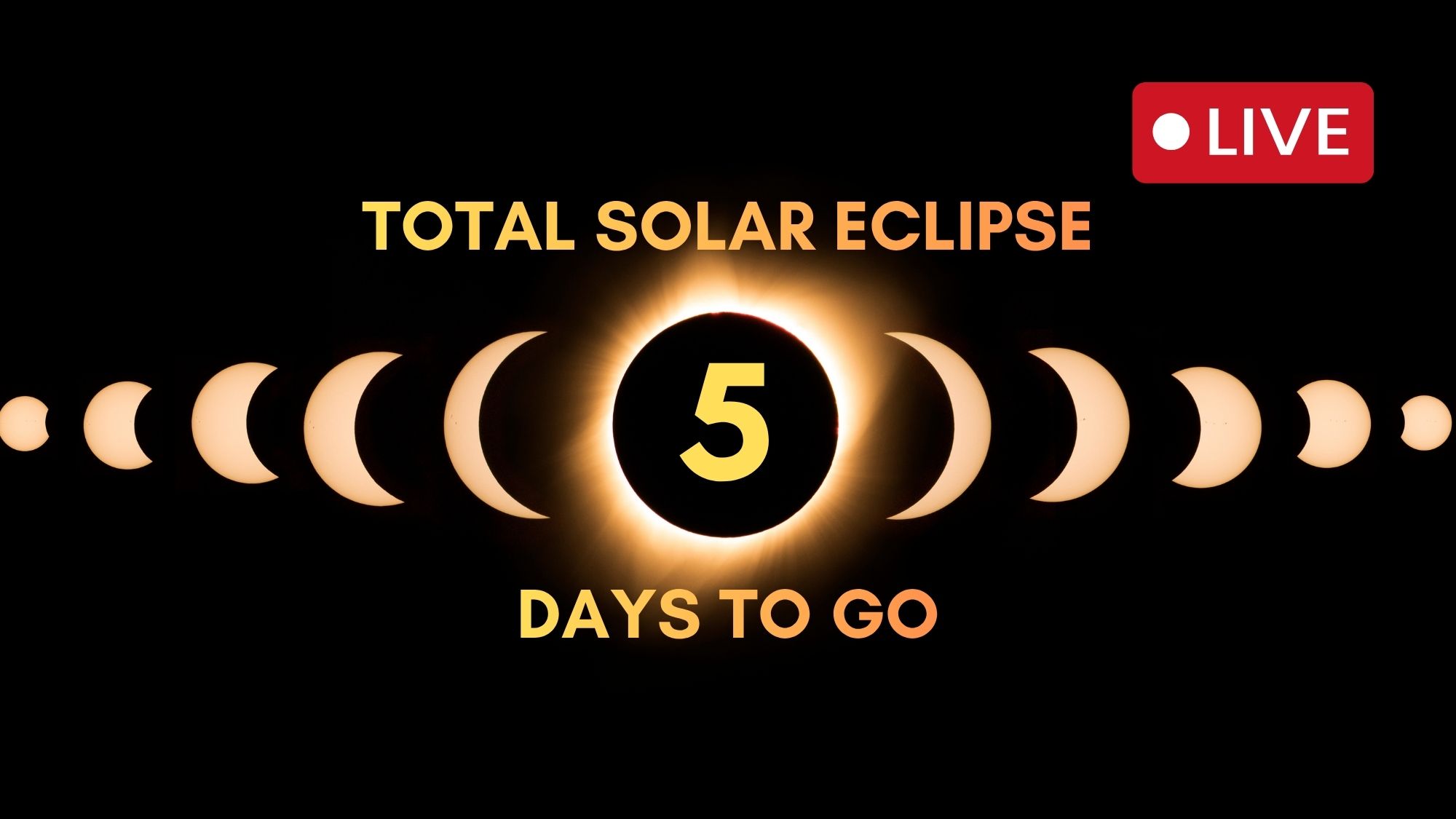
Everything you need to know about one of nature’s most amazing shows — explained simply!
Imagine the Moon playing a game of "peek-a-boo" with the Sun. During a total solar eclipse, the Moon moves exactly between Earth and the Sun, completely covering the Sun’s bright face for a few magical minutes.
When this happens:
IMPORTANT POINT
A total solar eclipse is not the same as a partial eclipse! During a partial eclipse, the Moon only takes a "bite" out of the Sun. You must be in the "path of totality" — a narrow strip on Earth — to see the full, jaw-dropping show.
The next total solar eclipse happens on Wednesday, August 12, 2026. It’s been a long wait since the last one crossed North America in April 2024!
Not everyone gets the full show! The path of totality is like a VIP ribbon across the globe. Here’s where the Moon will completely cover the Sun:
| Location | What You’ll See | Bonus Info |
|---|---|---|
| Greenland (East coast) | Totality! | Best viewed from expedition ships |
| Iceland (Westfjords & North) | Totality! | Dramatic landscapes = epic photos |
| Spain (Northern regions) | Totality! | Low on the horizon near sunset |
| Rest of Europe, UK, Africa, Russia | Partial eclipse | Moon takes a "bite" out of the Sun |
| Americas, Asia, Australia | No eclipse | Better luck next time! |
PRO TIP
Check exactly what you’ll see from YOUR location! Use these resources:
This is the #1 worry for eclipse chasers. Good news: Clouds don’t automatically ruin everything!
| Cloud Situation | Can You Still See Totality? | What to Expect |
|---|---|---|
| Clear blue sky | Perfect! | Full corona, stars, 360° sunset colors |
| Thin, high clouds (cirrus) | YES! | Corona still visible, maybe softer |
| Patchy clouds | Likely! | Gaps might give perfect views |
| Thick, low clouds | Probably not | But you’ll still feel the darkness & temperature drop! |
IMPORTANT POINT
Even under thin clouds, the most dramatic effects — sudden darkness, temperature drop, the "diamond ring" flash — can still be visible. Don’t stay home just because of a cloudy forecast!
Read more: Why cloud cover doesn’t always mean an eclipse is ruined
This is non-negotiable. Looking at the Sun without protection — even for a few seconds — can permanently damage your eyes.
IMPORTANT POINT
Regular sunglasses are NOT enough! Even the darkest sunglasses block only ~90% of light. Eclipse glasses block 99.999% (that’s 100,000 times darker!). Never use:
- Sunglasses (even stacked)
- Smoked glass
- CDs/DVDs
- Photographic film
- Welding glass (unless shade 14 or darker)
| Eclipse Phase | Glasses On or Off? |
|---|---|
| Partial phases (before & after totality) | ON — ALWAYS! |
| Totality ONLY (Moon completely covers Sun) | OFF — Safe to look! |
| Diamond ring / Baily’s beads (seconds before/after totality) | ON — Still dangerous! |
Best eclipse glasses for Europe/UK travelers
Our reporters are heading to TWO incredible locations:
| Reporter | Location | Mission |
|---|---|---|
| Daisy Dobrijevic (Skywatching Editor) | East Greenland aboard HX Expeditions’ MS Spitsbergen | Reporting live from the Arctic! |
| Anthony Wood (Skywatching Writer) | Northern Spain (Valoria la Buena) | Joining the DEB Initiative citizen science project |
CITIZEN SCIENCE ALERT
The DEB Initiative (Distributed Eclipse Broadcast) organizes volunteers to capture standardized eclipse images. Their data helps scientists study the Sun’s corona! Learn more about DEB
A: During partial phases — ONLY with a proper solar filter over your lens (or you’ll fry your camera sensor!). During totality — yes! Take it all off and shoot away. Pro tip: Practice night photography beforehand.
A: You’ll still experience the eerie darkness, temperature drop, and possibly see the "360° sunset" on the horizon. But the corona won’t be visible. Have a backup indoor location with a livestream ready!
A: YES, with supervision! Kids’ eyes are MORE sensitive. Use certified glasses that fit their faces (or make a cardboard frame). Never let them peek without protection. Make it fun: "Space goggles activated!"
A: It’s crossing three stunning countries (Greenland, Iceland, Spain) with dramatic landscapes — perfect for photography! Plus, in Spain, totality happens near sunset, creating a "golden hour + eclipse" double spectacle.
A:
| Timeline | Action Items |
|---|---|
| NOW | ☐ Buy ISO 12312-2 glasses ☐ Check if you’re in path of totality ☐ Book travel/lodging if needed |
| 1 Week Before | ☐ Download apps & offline maps ☐ Check weather trends ☐ Pack eclipse bag |
| Day Before | ☐ Charge all devices ☐ Print timetable for your exact spot ☐ Confirm meeting place with group |
| Eclipse Morning | ☐ Arrive EARLY (3+ hours) ☐ Set up chairs ☐ Test glasses fit ☐ Relax & enjoy the buildup! |
| During Eclipse | ☐ Glasses ON for partial phases ☐ Glasses OFF only during totality ☐ Put phone AWAY during totality ☐ BREATHE — it’s over in minutes! |
| After | ☐ Share photos with #Eclipse2026 ☐ Start planning for 2027! |
A total solar eclipse is the most awe-inspiring natural event you can witness without leaving Earth. Photos don’t capture it. Videos don’t capture it. The feeling of the shadow racing toward you, the sudden silence, the corona blooming in the dark sky — that stays with you forever.
Whether you’re on a ship in the Arctic, on a Spanish hillside, or watching a livestream from your couch — you’re part of a shared human moment. Millions of eyes looking up together.
REMEMBER: The universe put on a show just for us. Don’t miss it!
Space.com will be live-blogging the entire event with updates from Greenland and Spain. Join us on August 12, 2026!
Clear skies and happy eclipse chasing!