 11
11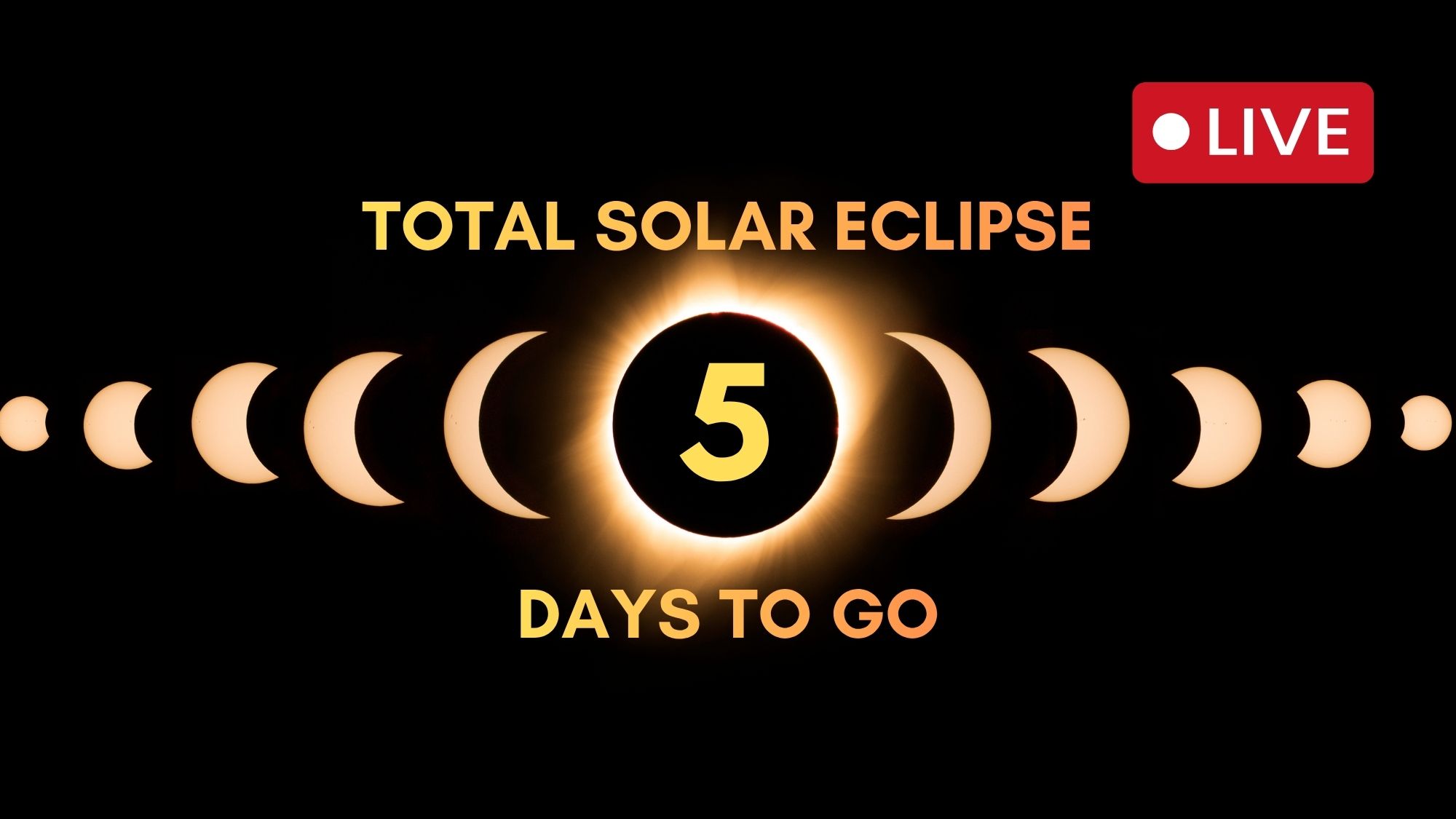
Everything you need to know about the upcoming celestial spectacle—from viewing locations to safety gear and weather worries.
Not everyone will see the same show. On August 12, 2026, the Moon will completely cover the Sun (that’s called totality) only along a narrow path. Here’s the breakdown:
| Experience | Locations |
|---|---|
| Total Solar Eclipse (Moon 100% covers Sun) | Greenland, Iceland, parts of Spain |
| Partial Solar Eclipse (Moon takes a "bite" out of Sun) | Most of Europe, northwestern Africa, parts of North America |
| No Eclipse Visible | Rest of the world |
Pro Tip: Check exactly what you’ll see from your location using Space.com’s visibility guide.
Download these helpful apps before the big day:
Short answer: Not necessarily!
Many people panic about clouds, but here’s the good news:
The sudden darkness during totality
Temperature drop (it gets noticeably cooler!)
Shadow bands (wavy lines of light/dark on the ground)
The "diamond ring" effect (last flash of sunlight)
The Sun’s corona (ghostly white halo) — if clouds aren’t too thick
Detailed corona structure
Prominences (pink loops on Sun’s edge)
Sharp "diamond ring" moment
IMPORTANT: Even with clouds, never look at the Sun without proper eye protection except during the brief totality phase (when the Sun is 100% covered).
This is non-negotiable: You must wear certified eclipse glasses whenever any part of the Sun’s bright disk is visible.
Shopping Guide: Best eclipse glasses for Europe/UK travelers
August 5, 2026 marked the one-week milestone. Here’s what’s happening:
| Days Before | Action Items |
|---|---|
| 7 days | Confirm travel/location; buy glasses if needed |
| 5 days | Check weather forecasts; have backup viewing spots |
| 3 days | Pack: glasses, water, snacks, warm layers, chair/blanket |
| 1 day | Final weather check; charge devices; download offline maps |
| Eclipse Day | Arrive early; set up; test glasses; relax and enjoy! |
Essentials:
Nice-to-Haves:
| Topic | Bottom Line |
|---|---|
| Visibility | Totality only in Greenland, Iceland, Spain; partial elsewhere |
| Weather | Thin clouds = still awesome; thick clouds = blocked views but still dark/cool |
| Safety | ALWAYS use ISO 12312-2 glasses except during 100% totality |
| Timing | August 12, 2026 — exact time depends on your location |
| Prep | Get glasses NOW; check weather daily; have a Plan B location |
A: Only if you have a proper solar filter on the lens. The phone screen shows a digital image, but the lens concentrates sunlight and can damage the sensor — and your eyes if you peek around the phone.
A: You’ll miss the visual show, but you’ll still experience the eerie darkness, temperature drop, and animal behavior changes. Consider traveling to a clearer location if forecasts allow.
A: 2 minutes max in Spain (near sunset); up to 2m 18s in Greenland/Iceland. The entire eclipse (partial → total → partial) lasts ~2.5 hours.
A: Only if undamaged and ISO-certified. Store flat in a protective sleeve. Discard if scratched, punctured, or older than 3 years.
A: Animals don’t stare at the Sun instinctively, but keep them indoors or distracted during partial phases. They may act strangely during totality (birds stop singing, crickets chirp).
Final Thought: A total solar eclipse is one of nature’s most awe-inspiring sights. Whether you’re under crystal-clear Arctic skies or peeking through clouds in Spain, be present, be safe, and look up!
Reporting by Daisy Dobrijevic (Greenland) & Anthony Wood (Spain) for Space.com