 11
11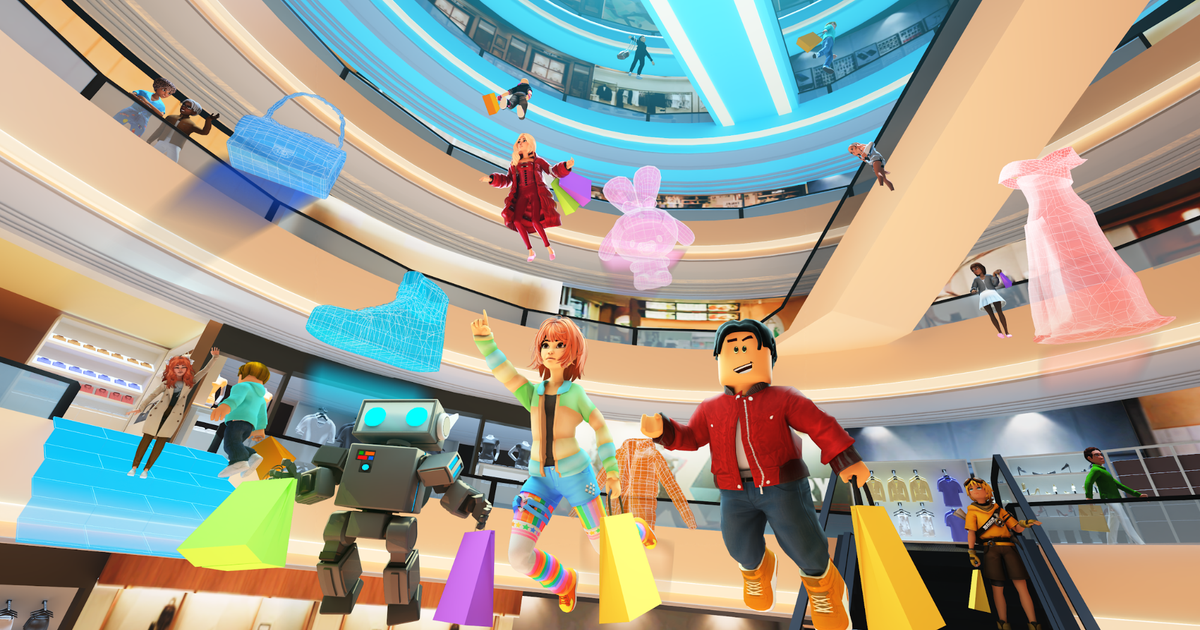
Imagine you run a lemonade stand. One day, you decide to stop selling the super-sweet, super-popular lemonade that makes you the most money right now. Instead, you start offering healthier options that kids like more and keep coming back for, even if they pay a little less per cup. Your parents (the investors) see you making less money today and get worried, so they say your stand is worth way less.
That is basically what just happened to Roblox.
Roblox’s stock price fell about 70% after they released their report card for the second quarter of the year (April–June).
The main reason? They made 2% less money than they promised investors they would. In the business world, missing a promise by even a tiny bit can cause a huge panic.
Roblox makes money when players buy Robux (the in-game money) to spend on cool items or game passes. Recently, two big things changed:
Important Callout: The "Mix Shift"
Roblox’s CFO (Chief Financial Officer), Naveen Chopra, called this a "mix shift."
Think of it like a restaurant: People stopped ordering the expensive steak (high-monetizing viral games) and started ordering the pasta and salad (evergreen/new games). The restaurant is still full, but the total bill per table went down.
The money drop was mostly from players under 13 years old.
Roblox changed its recommendation algorithm (the robot that decides which games show up on your home screen).
The problem? The "sticky" games for younger kids don’t make as much money per hour as the "viral" games did. Roblox admitted the impact on bookings (total money spent) was "greater than we anticipated."
During the earnings call (a meeting with investors), Naveen Chopra explained the plan:
Roblox gave a forecast for the Third Quarter (July–September) that scared investors even more:
Translation: They are telling investors, "We are going to make significantly less money in the next three months than we did last year."
Because things are changing so fast (new AI tools, algorithm updates), they refused to give a forecast for the full year. They basically said: "It’s too chaotic to guess."
While money is going down, spending is going up. Roblox is pouring cash into AI tools for creators (like the new "Build" tool that lets you make a game with a single text prompt).
Important Callout: Near-Term Friction, Long-Term Gain
Roblox admits these AI investments create "near-term friction" (higher costs, lower profits now) but believes they are necessary to "maximise our share of the global gaming market." They are buying the factory before they have the orders.
| What Happened | Why It Happened | What’s Next |
|---|---|---|
| Stock crashed ~70%. | Missed revenue target by 2%. | Q3 Revenue expected to drop 14-18%. |
| Kids <13 spent less. | Algorithm changed to favor "sticky" games over "cash grab" games. | Fixing algorithm with age-data. |
| No viral hit like "Grow a Garden". | Players moved to evergreen games with lower hourly spend. | Heavy spending on AI tools (Build). |
| Profits squeezed. | AI infrastructure costs rising while revenue falls. | No full-year guidance given. |
The Bottom Line: Roblox is intentionally earning less money today to build a safer, stickier, AI-powered platform for tomorrow. Investors who wanted quick cash are leaving; investors who believe in the 10-year vision are staying.
Absolutely not. Roblox still has hundreds of millions of daily users and billions in revenue. A stock drop means investors are worried about future growth speed, not that the company is broke. They have a massive war chest of cash.
Kids under 13 are a huge chunk of Roblox’s player base. Because they can’t legally have credit cards, their spending relies on parents buying gift cards or allowing purchases. If the games they see don’t make them beg for Robux, revenue drops fast.
Not immediately. Building the AI costs a fortune right now (servers, electricity, researchers). The payoff comes later—if millions of new creators make hit games that attract billions of hours of playtime. It is a long-term bet.
That is not financial advice!