 11
11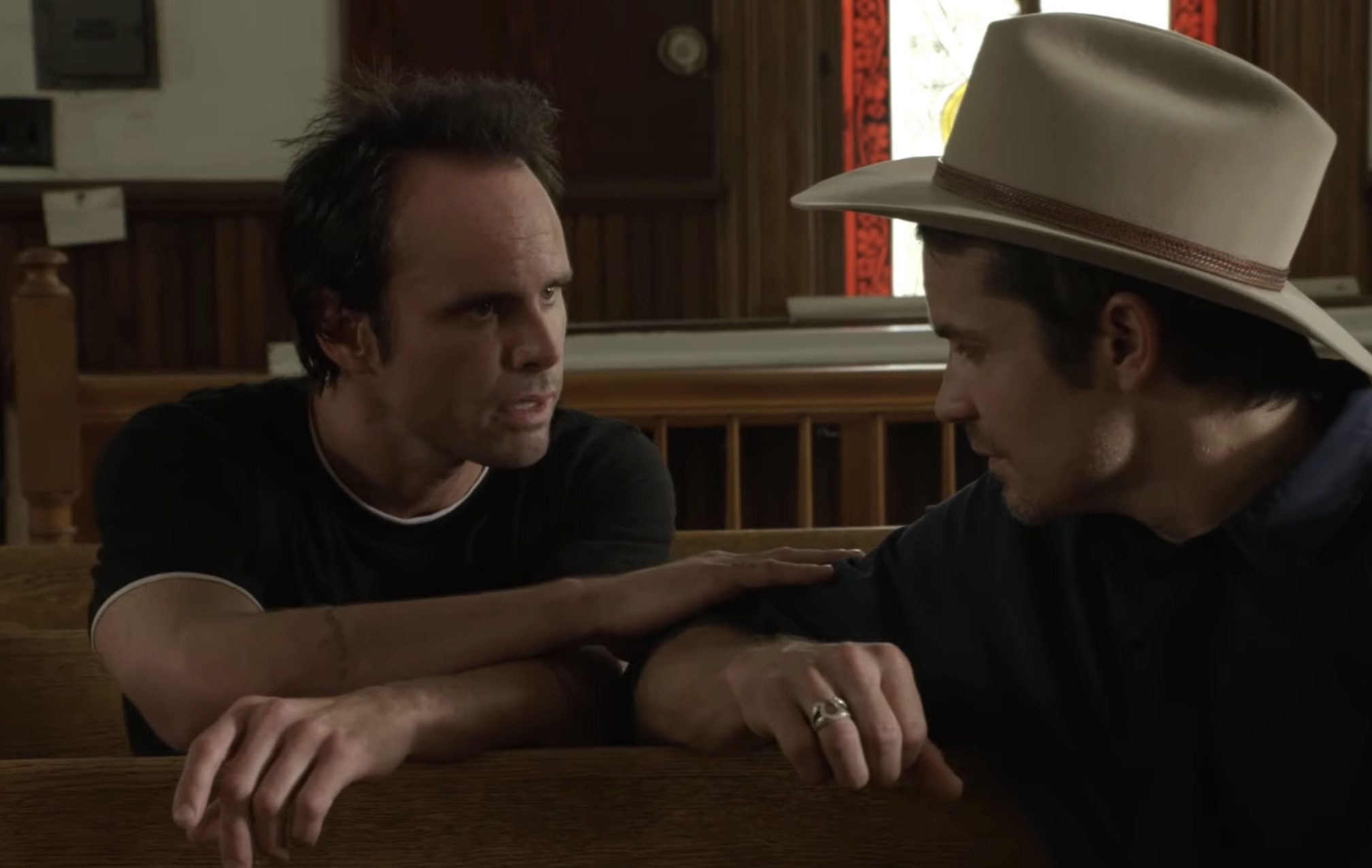
Important Point: For decades, movies and TV shows have painted the American South with a very broad, very negative brush.
Imagine if every movie about your hometown only showed the worst parts—and made everyone look the same. That’s what Hollywood has done with the South for a long time:
Walton Goggins is an actor originally from Birmingham, Alabama. In 2010, he was offered a role in a new FX crime drama called Justified:
Goggins read the script and turned down the role two separate times. Here’s why, in his own words from a GQ interview:
"I turned it down twice because of a speech that Boyd Crowder made in the middle of the show, and just a feeling that, they’re just selling southern culture down the river. This is just a one-dimensional interpretation, or perpetuating a stereotype if you will, of a southern character that I no longer needed to play. And I don’t believe in that. I’ve never believed in that."
His core issue: The original script didn’t make it clear that Crowder didn’t actually believe his own hateful words. It looked like the show was just… being racist.
Important Point: Goggins wasn’t refusing to play a villain. He was refusing to play a one-dimensional stereotype that reinforced harmful myths about his home and culture.
After the second "no," something cool happened. Co-star Tim Olyphant (who played Raylan Givens) called Goggins personally.
The producers agreed! Here’s what changed:
| Original Version | Final Version (Aired) |
|---|---|
| Crowder’s racism seems genuine | Olyphant’s character dismisses it as a cover for crime |
| One-dimensional "neo-Nazi" villain | Complex, intelligent criminal mastermind |
| Reinforces "racist Southerner" trope | Shows the trope is a performance |
By Season 2, the whole "neo-Nazi" storyline was gone entirely. Crowder became one of TV’s most compelling, intelligent antagonists—played by a Southern actor who refused to sell out his culture.
Important Point: This wasn’t just about one actor’s ego. It was about representation mattering—and how one person saying "this isn’t right" can change an entire show for the better.
Walton Goggins, a proud Alabamian, was offered a breakout role as Boyd Crowder in Justified. The character was written as a neo-Nazi—but the script didn’t clarify it was an act. Goggins turned it down twice, refusing to perpetuate the "racist, backwards Southerner" stereotype. After co-star Tim Olyphant called him, Goggins set two conditions: Crowder must be the smartest person in the room, and the show must explicitly reveal the racism is performative. The producers agreed. The aired scene shows Olyphant’s character calling out the act, and by Season 2, the neo-Nazi angle was dropped entirely. Result: A richer character, a better show, and a rare win for authentic Southern representation.
Because stories shape reality. When Hollywood repeatedly shows Southerners as racist and uneducated, real people start believing it. Goggins knew the South is "way more complicated" and didn’t want to reinforce a lie.
Yes! But a smart, complex villain—not a cartoonish stereotype. Making him intelligent and making his racism fake (a criminal tactic) actually made him more dangerous and interesting.
Olyphant supported the changes and personally advocated for them. He called Goggins and asked, "What do you need?" That allyship was crucial.
Absolutely. It’s widely considered one of the best modern crime dramas—partly because Crowder became such a brilliantly written character. Goggins earned an Emmy nomination for the role.
Slowly. Shows like The Righteous Gemstones, Outer Banks, and True Detective (Season 3) offer more nuanced Southern stories. But stereotypes still pop up—which is why moments like Goggins’ stand still matter.