11
11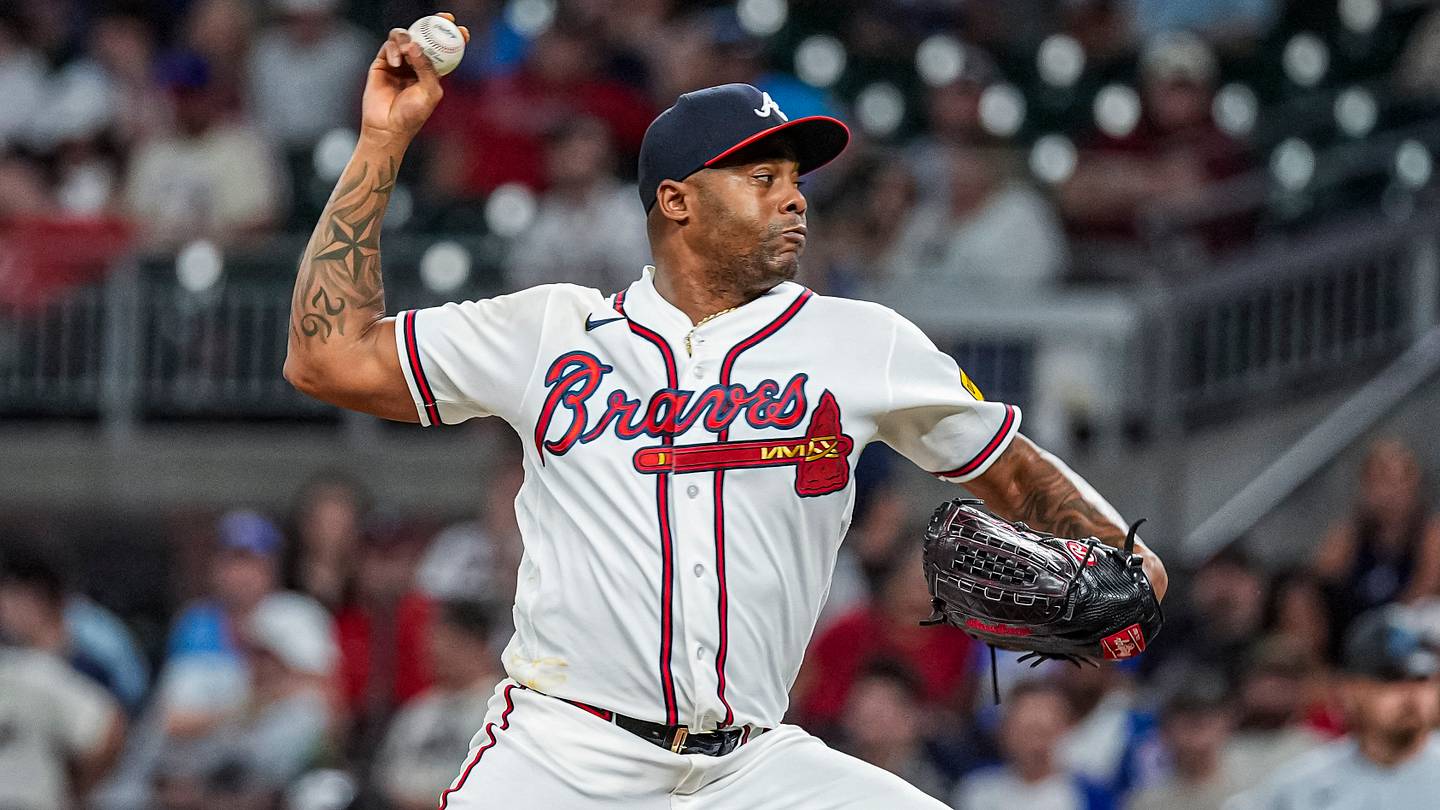
Imagine a baseball team like a relay race. The starting pitchers run the first few laps, but the bullpen (the relief pitchers) runs the critical final laps to secure the win. This year, the Atlanta Braves have had one of the best "anchor legs" in all of baseball—they currently hold the third-best bullpen ERA (Earned Run Average, meaning they allow very few runs) in the major leagues.
Important Point
ERA (Earned Run Average): The average number of runs a pitcher allows over nine innings. Lower is better. A team ERA in the top 3 means the Braves’ relievers have been elite at shutting down opponents.
The usual stars leading the charge:
Just when things were going perfectly, the Braves hit two major speed bumps:
Suarez is currently sidelined with an elbow injury. There is no clear timeline for his return. Losing him is like losing a starting offensive lineman in football—it puts more pressure on everyone else.
With Suarez out, Iglesias has had to pitch more often and in tougher spots. Over his last 15 appearances, the numbers look worrying:
Why is he struggling?
Important Point
High-Leverage Situations: These are the most critical moments in a game (e.g., 9th inning, tie game, bases loaded). Managers want their best pitchers here. Iglesias has been the guy, but lately, he looks human.
While the veterans struggle, a rookie named Didier Fuentes has stepped up in a huge way. He wasn’t expected to be a star this early, but he has forced the issue.
Fuentes isn’t just getting lucky; his pitches are genuinely hard to hit.
| Pitch | Why It Works |
|---|---|
| Fastball | 27% Whiff Rate (Swing and miss). He blows it by hitters. |
| Slider | THE EQUALIZER. 36% Whiff Rate, 29.5% Put-away Rate. Hitters bat only .156 against it. |
Translation: When the game is on the line, Fuentes has a "putaway" pitch (the slider) that hitters simply cannot touch. Iglesias used to have that with his slider, but he stopped trusting it. Fuentes currently trusts his, and it works.
Giving Fuentes more high-leverage innings isn’t just about him—it helps the whole team puzzle fit together better.
The Braves have a great problem: too many good arms, but the hierarchy is shifting.
The Verdict: The data and the "eye test" both scream the same thing—Didier Fuentes has earned the right to pitch in the biggest moments. Giving him the ball in high-leverage spots maximizes the team’s chance to win today and develops their star of tomorrow.
Think of it as a "pressure cooker" moment. It’s usually the late innings (7th, 8th, 9th) where the score is close (tie game, 1-run lead, or tying run on base). One wrong pitch loses the game. Managers save their best pitchers for these exact minutes.
Suarez was arguably the best reliever on the team before he got hurt. He pitched the 8th inning (the "setup" role) to hand the ball to Iglesias in the 9th. Without him, Iglesias has to pitch the 8th and sometimes the 9th, or other guys have to step up who aren’t ready. It breaks the assembly line.
It’s the percentage of swings that result in a total miss (strike). 36% Whiff Rate on a slider is elite—it means more than 1 in 3 swings at that pitch result in a strikeout. It’s a "chase pitch"—hitters swing at it out of the zone and miss.
Absolutely not. He is a veteran with a long track record of success. His changeup is still elite (38% whiff rate). He is likely just tired or dealing with a minor mechanical issue. Reducing his workload slightly could help him "find it" again for the playoffs.
Dylan Dodd started the year as a starting pitcher (pitching 5-6 innings every 5 days). He struggled as a starter but has been moved to the bullpen (relief), where he has pitched very well in smaller doses. He is another "surprise" depth piece, similar to Fuentes but with less overpowering "stuff."