 11
11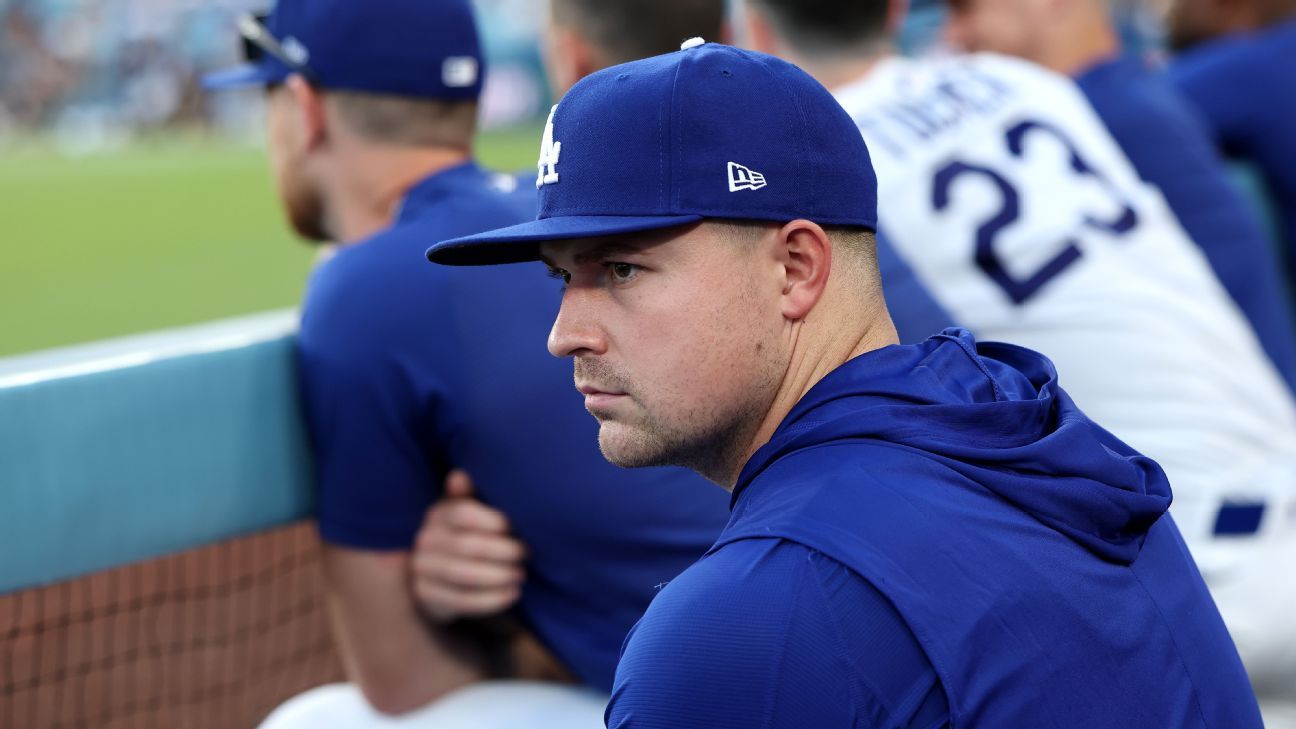
Imagine the best pitcher in baseball—someone who won the top pitching award two years in a row—suddenly becomes available for trade. That’s exactly what happened with Tarik Skubal, a 29-year-old left-handed superstar for the Detroit Tigers.
On a Saturday afternoon in August 2026, the Tigers decided to trade him to the Los Angeles Dodgers for a package of young, talented players. This was the biggest trade of the summer, and it happened days before the official deadline.
Important Point: Skubal was set to become a "free agent" after the season—meaning he could sign with any team for huge money. The Tigers knew they couldn’t afford to keep him, so they traded him now to get something valuable in return.
Important Point: The Tigers only had about 10 regular-season starts (plus maybe 5 playoff games) of Skubal left to sell. They needed to act fast before the market collapsed.
Instead of dragging things out until the Monday 6 PM deadline, Tigers executive Scott Harris called all interested teams Saturday afternoon and said: "Give us your best offer right now."
| Team | What They Offered | Why They Lost |
|---|---|---|
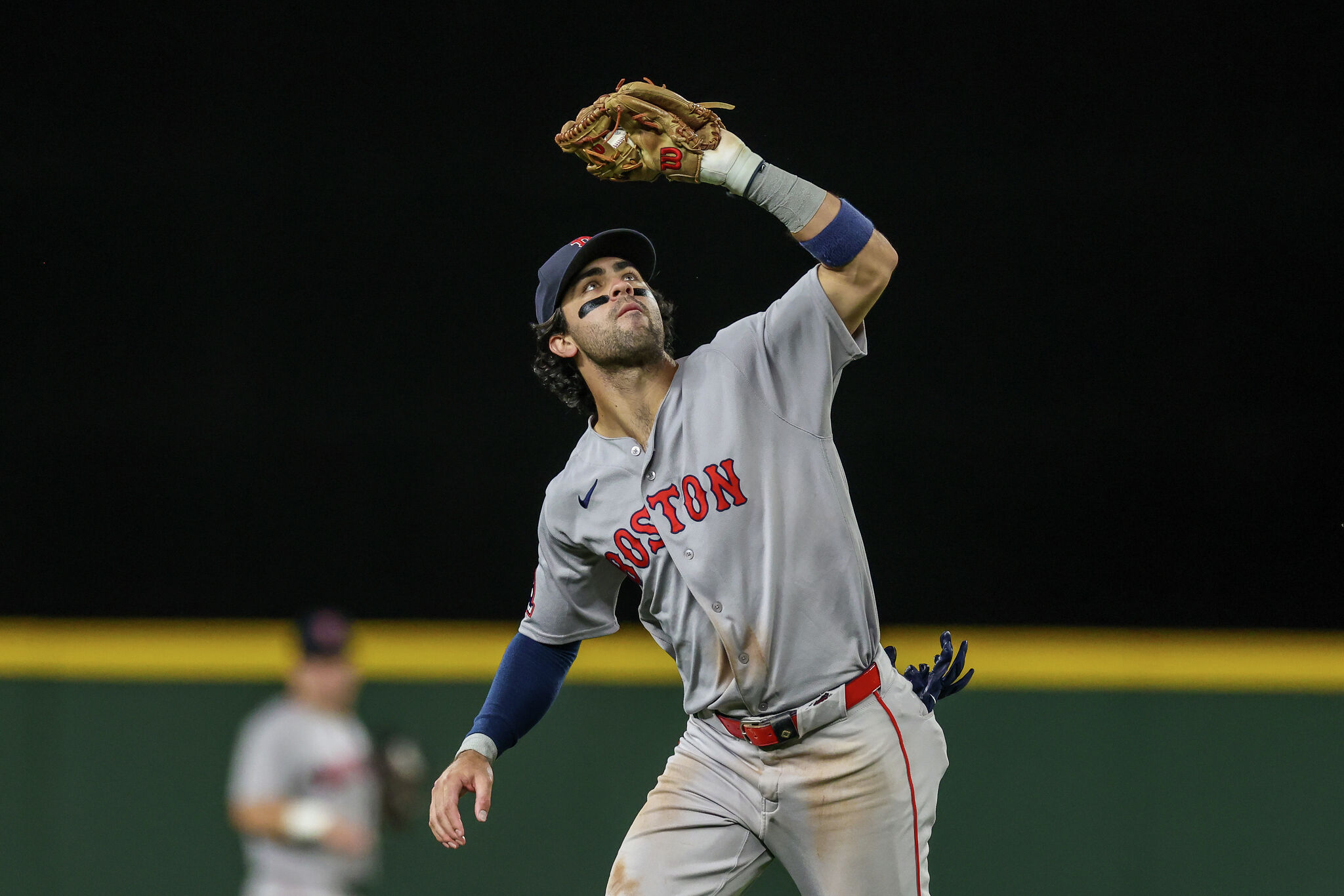
| Los Angeles Dodgers WINNER | River Ryan (pitcher), Zyhir Hope (outfielder), Brady Smith (pitcher) | Best mix of talent + willingness to "overpay" |
| Milwaukee Brewers | Luis Peña (top-20 prospect) + 2 others | Wouldn’t trade their #1 prospect (Jesús Made) |
| Tampa Bay Rays | Nothing final | Refused to include top prospect Theo Gillen |
| New York Yankees | Nothing final | Wouldn’t trade shortstop George Lombard Jr. |
| Atlanta Braves | Young pitchers | Didn’t have a single "standout" prospect |
| Chicago Cubs | Nothing final | Didn’t have what Detroit wanted |
The Dodgers build talent three ways:
They’ve done this before with: Yu Darvish, Manny Machado, Max Scherzer, Trea Turner, Kyle Tucker, Roki Sasaki, Tanner Scott, Yoshinobu Yamamoto, Shohei Ohtani
Important Point: The Dodgers operate within the rules. They just have more resources and use them better than anyone else.
Balanced – Pitcher + Hitter + Pitcher
Fits Needs – Rotation depth + outfield power
Near-Ready – Ryan and Hope could help soon
High Ceiling – Both have All-Star potential if healthy
This trade highlights a sad reality:
| Rich Teams (Dodgers, Yankees, etc.) | Smart But Poor Teams (Brewers, Rays) |
|---|---|
| Can "overpay" for stars | Must be perfect to compete |
| Absorb bad contracts | One mistake sets them back years |
| Keep adding in July | Forced to sell stars they developed |
| World Series favorites annually | "Litmus test is October" |
Important Point: The Brewers do almost everything right (great drafting, smart contracts, consistent winners). But they simply can’t match LA’s financial firepower when a generational talent becomes available.
They were 51-58 on July 29 – 7 games under .500. Even with Skubal, their playoff odds were tiny. Trading him brought $100M+ in "surplus value" (young talent worth way more than their salaries).
It’s the difference between what a player produces and what they’re paid. Young players on cheap contracts have huge surplus value. Stars like Skubal have negative surplus value (paid more than they’re "worth" on paper).
Scouts grade his "stuff" (pitch quality) as elite. If healthy, he’s a potential ace. The Tigers bet on the talent, not the track record. Think of it like buying a fixer-upper mansion in a great neighborhood.
Yes! Baseball playoffs are short and random. The Brewers have 3 great starters (Misiorowski, May, Harrison). But they’ll likely face Skubal in a must-win game – the very pitcher they tried to get.
Depends who you ask. Dodgers fans: "Smart management!" Other fans: "Unfair advantage!" The system allows this. Until rules change (salary cap, etc.), teams with money + smarts will keep winning.
Want to follow the rest of the deadline moves? Check out the 2026 MLB Trade Deadline Tracker and Trade Grades for every deal!