11
11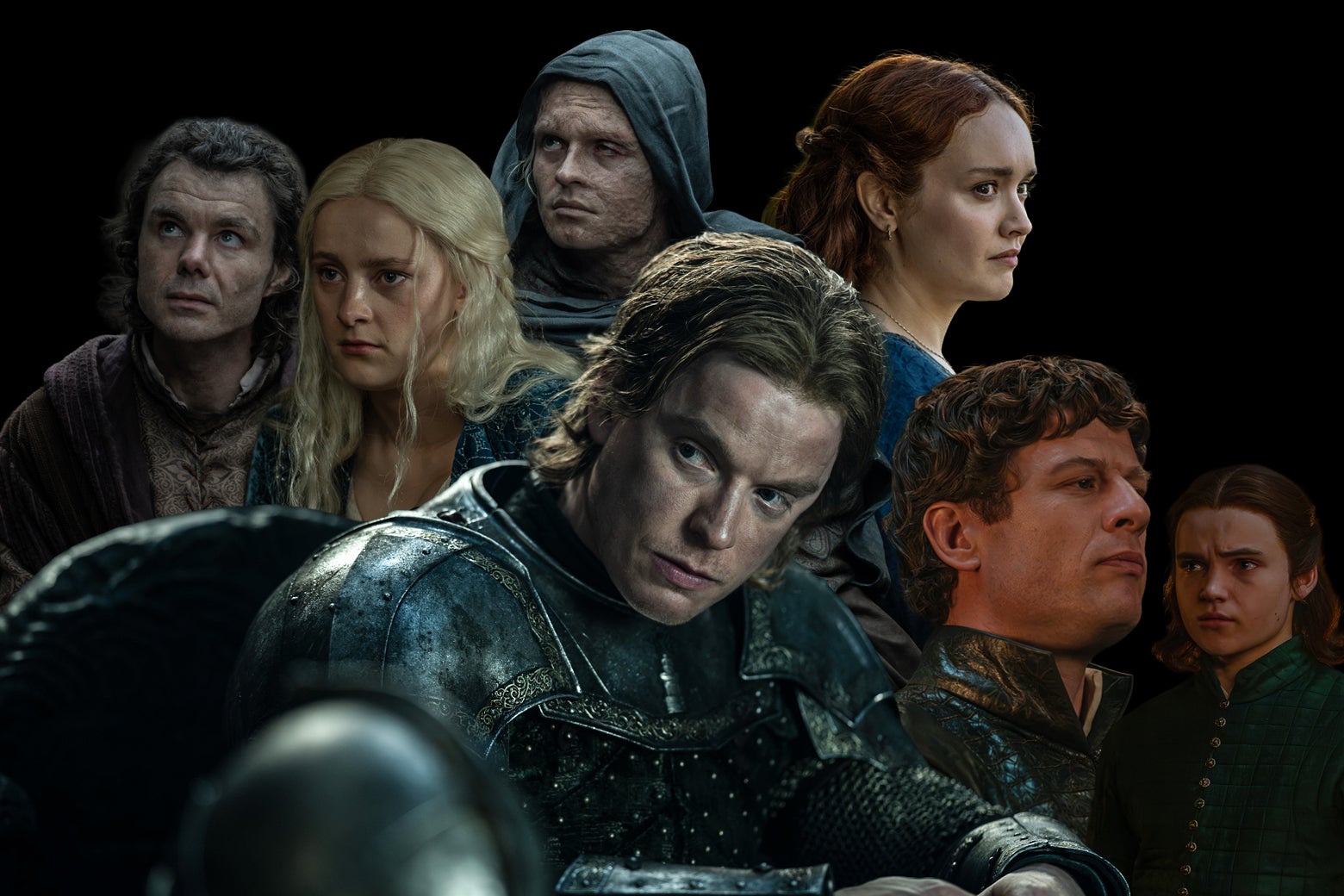
Imagine a TV show that had a really messy second season—like a roller coaster that goes up and down but ends up exactly where it started. That was House of the Dragon Season 2. But Season 3? It’s like the writers finally read the instruction manual.
Important Point: After two seasons of criticism (even from George R.R. Martin himself, who basically said "this isn’t my story anymore"), Season 3 has become genuinely entertaining. It has cool side characters, actual plot movement, and—most surprisingly—it makes you root for the "villains."
Think of this like a schoolyard fight between two groups of kids who both want to be class president. But with dragons.
Note: For two whole seasons, the show screamed "ROOT FOR TEAM BLACK!" through casting, writing, and even HBO’s marketing ("The rightful heir sits the throne" ).
Once Rhaenyra finally got the throne in Season 3, everything stalled. It’s like winning a video game and then just… standing in the victory screen forever.
| Character | Problem |
|---|---|
| Rhaenyra | Lost her power, money, and spy network all at once |
| Mysaria (Spy Master) | Apparently forgot how to spy |
| Corlys (Hand of the Queen) | Went missing for so long nobody noticed until his son got a severed finger in the mail |
| The "Young Adults" (Alyn, Addam, Baela) | Sudden love triangle! But we barely know them, so who cares? |
| Rhaena | Hiding in a cave, sad about her dragon accidentally killing her stepbrother |
| Daemon | Only fun one left — he’s a "charismatic sociopath" playing dress-up as a city guard |
The writers gave the "villains" actual personalities, arcs, and weird little details that make them feel like real people.
This is the biggest surprise of the season.
Key Insight: The show earned this by making him suffer first. You don’t get a triumphant moment without the mud.
The article argues there’s a structural issue:
"The mechanics that gave Team Green a great season—seemingly minor character and storyline decisions—should, ideally, be applied everywhere, not doled out sparingly to too-obviously curry favor for one side over another."
Imagine a teacher who gives one group of kids detailed backstories, hobbies, and flaws… and the other group just gets "they’re the good guys, trust me." The first group becomes real people. The second group becomes cardboard cutouts.
The article ends with a brilliant observation about emotional stakes:
Character A (Jace, Team Black): Dies beautifully. Author feels… a fleeting sadness. Why? "Because he looked pretty dying, not because he was a distinctive character."
Character B (Gwayne, Team Green): When he dies (and he will), the author will mourn. Why? "Wonderfully fruity knight who upheld chivalry and stopped an assassination because he remembered a handsome face."
Tiny details → Real personality → Actual grief when they die
In a show where everyone dies, that grief should be the goal.
Nope! The article specifically says "I will not spoil the events of the book" and treats the show as its own thing. The show has diverged significantly from Fire & Blood anyway.
Yes! The reviewer calls it a "positive turnaround" and "surprisingly enjoyable." The pacing is better, characters have things to do, and the "villains" become compelling.
He allegedly said, "This is not my story any longer" because showrunner Ryan Condal made too many changes from Fire & Blood. Major plot points, character motivations, and timelines have been altered.
Legally: Rhaenyra — her father Viserys named her heir publicly, the lords swore oaths, and she encountered a magical white hart (divine sign).
Politically: Aegon II — he’s male, the Hightowers control the capital, and medieval Westeros prefers kings over queens.
The show’s stance: Heavily pro-Rhaenyra for two seasons, but Season 3 complicates it by making her opposition interesting.
Probably not! The article notes there’s a whole Season 4 coming, and "characters like Rhaenyra will not remain in the same position." The "ebb and flow" of war means the underdogs usually get their comeback arc eventually.
Final Thought: House of the Dragon is at its best when it stops telling you who to root for and starts showing you people — flawed, weird, petty, brave — on both sides. Season 3 finally figured that out… for half the cast. Here’s hoping Season 4 finishes the job.