Oakland Speed Cams Work: Most Tickets Go to Outsiders
Oakland’s Speed Cameras Are Working: What You Need to Know
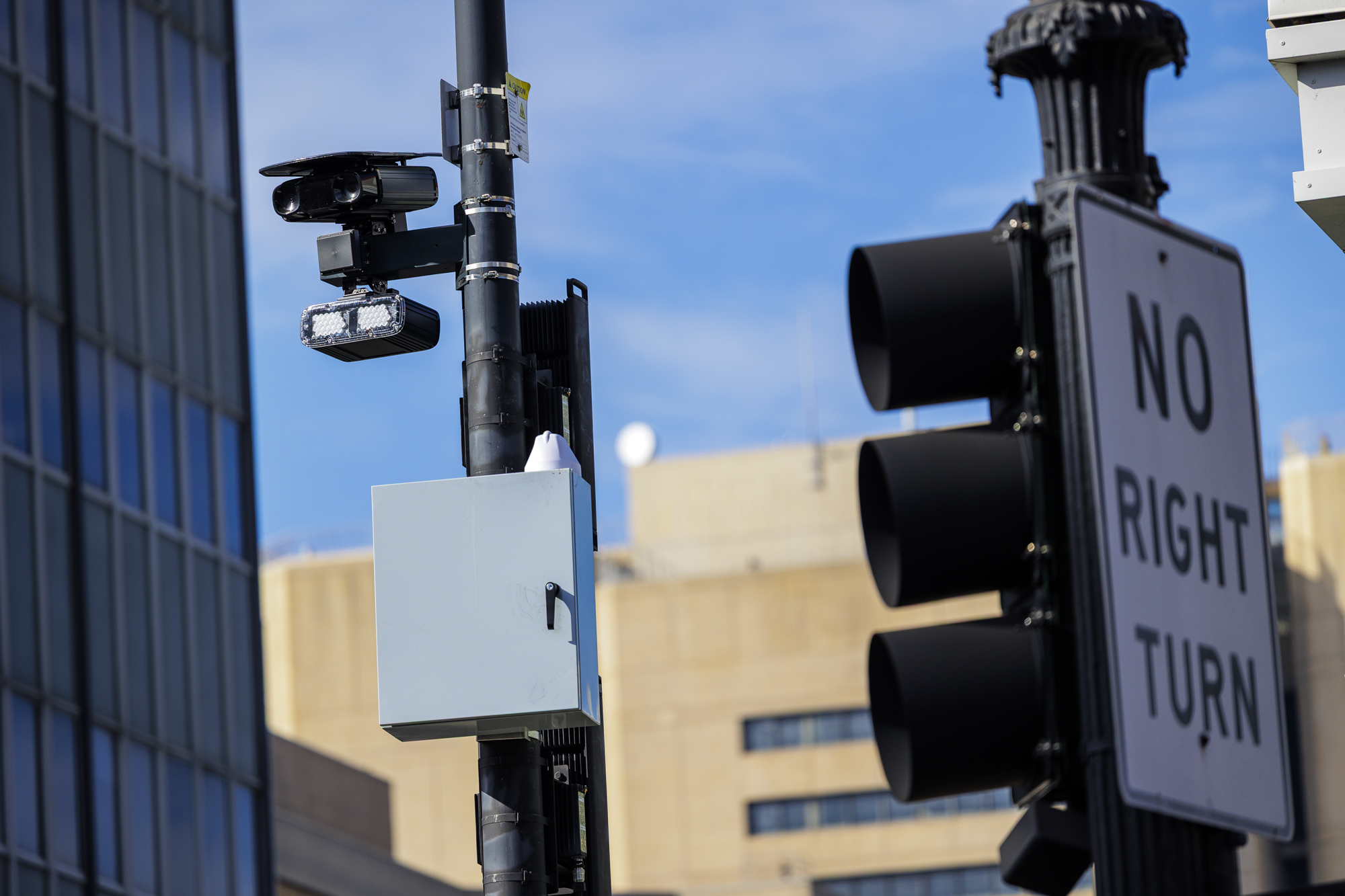
A speed camera at Broadway Avenue and 7th Street in Oakland. The cameras started with a warning period in January 2026 and began issuing real tickets in March. (Martin do Nascimento/KQED)
The Big Picture: Speed Cameras Are Slowing Drivers Down
Oakland installed automated speed cameras on some of its most dangerous streets. The results are in, and they’re impressive: speeding has dropped dramatically in just a few months.
KEY FINDING: Across all 18 camera locations, the number of cars going 11+ mph over the speed limit dropped by an average of 70% compared to before the cameras were installed.
How the Program Works
1. The Timeline
- January 14, 2026: Two-month warning period begins (cameras flash but no fines)
- March 15, 2026: Real citations start being issued
- July 2026: First progress report released (covering ~4 months of tickets)
2. Where Are the Cameras?
- 18 locations across Oakland
- All placed on the city’s "High Injury Network" — streets with the most serious crashes
- Biggest success: 7th Street between Adeline and Linden — 91% reduction in speeding!
3. The Rules (Simplified)
| Speed Over Limit | Fine |
|---|---|
| 11+ mph | $50 |
| Faster speeds | Fine increases |
| 100+ mph over limit | Maximum $500 |
IMPORTANT: These are civil penalties — like a parking ticket. They don’t go on your driving record, add points, or risk your license.
By the Numbers: What the Data Shows
Speeding Reduction
- Average drop: 70% fewer drivers speeding 11+ mph over limit
- Best location: 91% reduction (7th St, Adeline to Linden)
- All 18 locations: Every single one showed improvement
Who’s Getting Tickets?
- Nearly 200,000 citations in first 4 months
- More than half mailed to addresses outside Oakland
- Oakland issued more than double the tickets San Francisco did in its first 4 months
The Money Question
"Ideally, if this is successful, we make no money off of it because now everyone’s complying with speed limit laws."
— Josh Rowan, Oakland Department of Transportation Director
Why This Matters: The Safety Crisis
The National Problem
- Speeding involved in ~1/3 of all traffic deaths nationwide (NHTSA data)
- For 20+ years, this statistic hasn’t improved
The Local Solution
Oakland is one of 6 California cities in a 5-year pilot program (authorized by 2023 state law):
- Oakland
- San Francisco
- San Jose
- Long Beach
- Los Angeles
- Glendale
San Francisco’s results after 1 year: 80% drop in speeding at camera locations.
What’s Next: Beyond Cameras
Director Josh Rowan says cameras are a short-term tool. The long-term goal? Redesigning streets to be naturally safer.
Ideas Being Discussed:
- Roundabouts (circular intersections that force slower speeds)
- Traffic calming measures (speed bumps, narrower lanes, curb extensions)
- Complete street redesigns prioritizing pedestrians and cyclists
THINK OF IT LIKE THIS: Cameras are like a referee blowing a whistle. Street redesign is like changing the field so fouls are harder to commit in the first place.
Summary: What You Should Remember
| Good News | Watch Out |
|---|---|
| Speeding dropped 70%+ on dangerous streets | 200,000 tickets = lots of people still speeding |
| Cameras target worst streets (High Injury Network) | Fines go up fast the faster you go |
| No license points or insurance hikes | Tickets follow the car, not the driver |
| Program pushing for permanent street fixes | Half tickets go to non-Oakland residents |
Bottom line: The cameras are doing their job — slowing people down on Oakland’s most dangerous streets. But the real win will come when streets are designed so cameras aren’t needed at all.
FAQ: Your Questions Answered
Do these tickets go on my driving record?
No. They’re civil penalties — like parking tickets. No points, no license risk, no insurance increase.
What if I wasn’t driving my car when it got ticketed?
The ticket goes to the registered owner of the vehicle. You can contest it if someone else was driving.
How do I know where the cameras are?
The 18 locations are on Oakland’s High Injury Network — the most crash-prone streets. Signs are posted at each camera location.
Where does the money go?
By state law, revenue must fund traffic safety programs — not general city expenses.
Will other cities get cameras too?
Yes! Oakland is part of a 5-year state pilot with 5 other California cities. Results here help shape future programs statewide.
Data source: Oakland Department of Transportation six-month progress report (released August 2026). Original reporting by KQED.