 11
11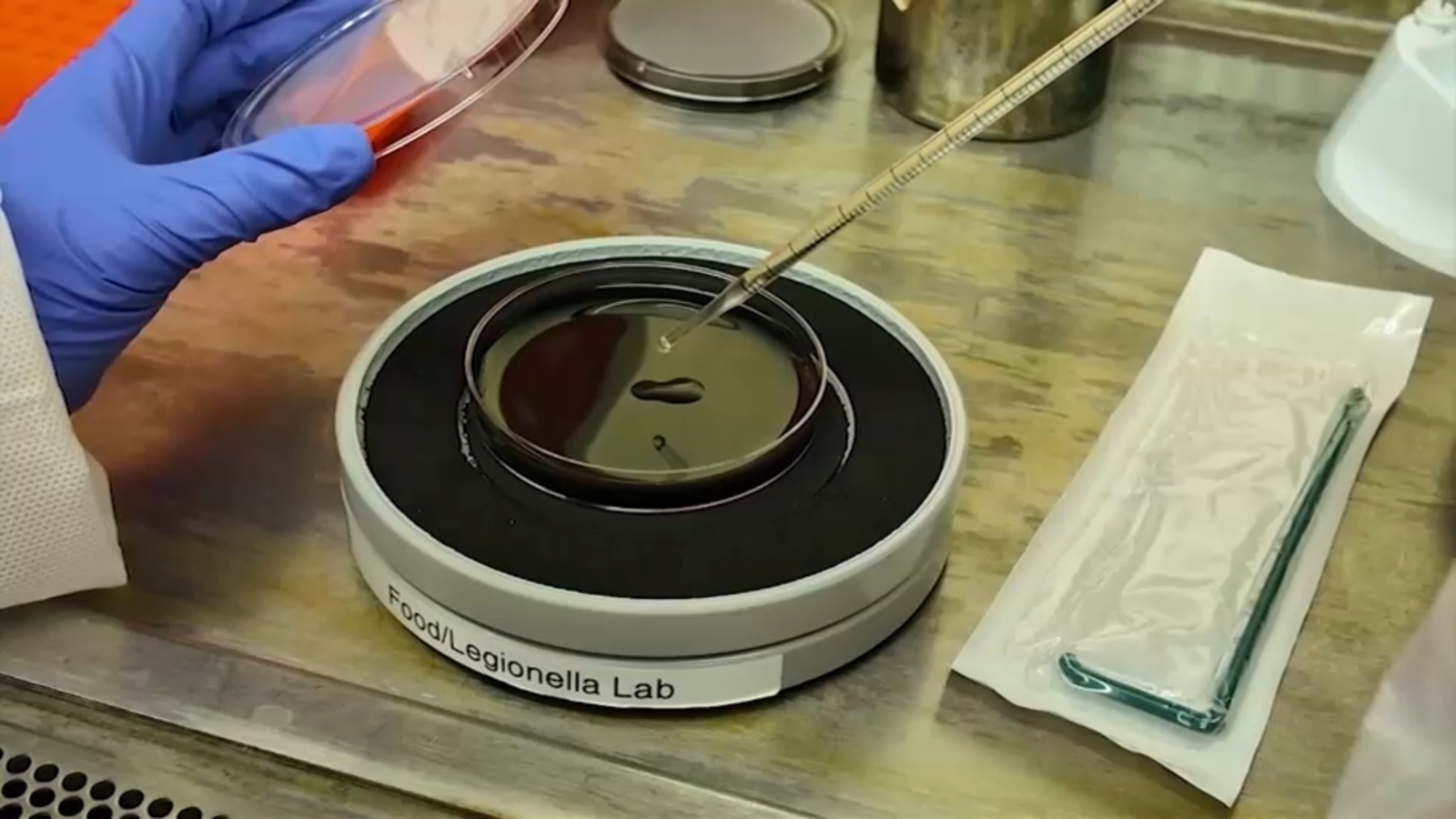
New York City health officials are looking into a group of people getting sick with a disease called Legionnaires’ in two neighborhoods on the Upper East Side:
What is a cooling tower?
It’s a water‑based machine usually placed on a building’s roof that helps control the temperature of things like refrigerators. The city health department is testing all such towers in the area.
Important: Because this is not caused by a building’s plumbing (pipes), officials say it is safe to:
- Drink tap water
- Bathe, shower, and cook
- Use air conditioners (they cool with air, not water)
Also, you cannot catch the bacteria from another person.
If you live in or recently visited those neighborhoods and feel like you have the flu, follow these steps:
Officials especially urge this for people with flu‑like signs.
Imagine tiny invisible germs called bacteria (we call the specific kind Legionella). They love warm water and can grow in building water systems.
When do symptoms appear?
Usually 2 days to 2 weeks after breathing the germs. They include:
Who is more likely to get very sick?
You have a higher risk if you:
Why the name “Legionnaires’”?
It comes from an outbreak in 1976 at a meeting of the American Legion (a group for veterans) in Philadelphia.
Yes, it can be serious.
Important: If untreated, Legionnaires’ disease usually gets worse during the first week. Complications can include:
- Respiratory failure (lungs stop working well)
- Shock (body systems crash)
- Kidney or multiorgan failure (important organs stop working)
They can reduce the threat by stopping bacteria from growing:
You can also lower your risk with these numbered steps:
Health Commissioner Dr. Alister Martin spoke with a news anchor about this weekend’s edition of “Up Close.” You can watch part of the interview on Channel 7 and the full episode Sunday at 11 a.m. (ABC News contributed to this report.)
The news team also shared ways to keep up with updates:
To wrap up: NYC is investigating a rising number of Legionnaires’ disease cases in Upper East Side neighborhoods (Carnegie Hill and Yorkville) likely from a contaminated cooling tower on a building between East 74th and 96th Streets. No deaths yet. The disease is a lung infection caused by breathing tiny droplets of water containing Legionella bacteria; it is not spread person‑to‑person and tap water is safe. If you have flu‑like symptoms and are in the area, see a doctor quickly. Prevention includes cleaning building water systems and simple home steps. It can be fatal if untreated, so early antibiotics save lives. Stay informed through local news channels.
Q1: Can I safely drink my tap water during this outbreak?
A: Yes! Officials confirm the issue is not in building plumbing. Drinking, bathing, cooking, and using air conditioners are all safe.
Q2: How do people actually catch Legionnaires’ disease?
A: Mostly by breathing in tiny mist droplets from contaminated water sources like cooling towers, showerheads, or hot tubs. You cannot get it from hugging or being near a sick person.
Q3: What are the early signs I should watch for?
A: Cough, fever, headache, muscle aches, and shortness of breath that show up 2 days to 2 weeks after possible exposure.
Q4: Who is most at risk of becoming very ill?
A: People 50 or older, smokers/vapers, those with long‑term lung sickness, and those with weak immune systems.
Q5: What can I do at home to protect my family?
A: Drain garden hoses, clean/replace water filters as instructed, check pool/hot tub chlorine, and flush your hot water heater twice a year.
Copyright © 2026 by The Associated Press. All Rights Reserved.