The U.S. Wants to Move Help for Kids with Disabilities to a New Office: A Simple Guide
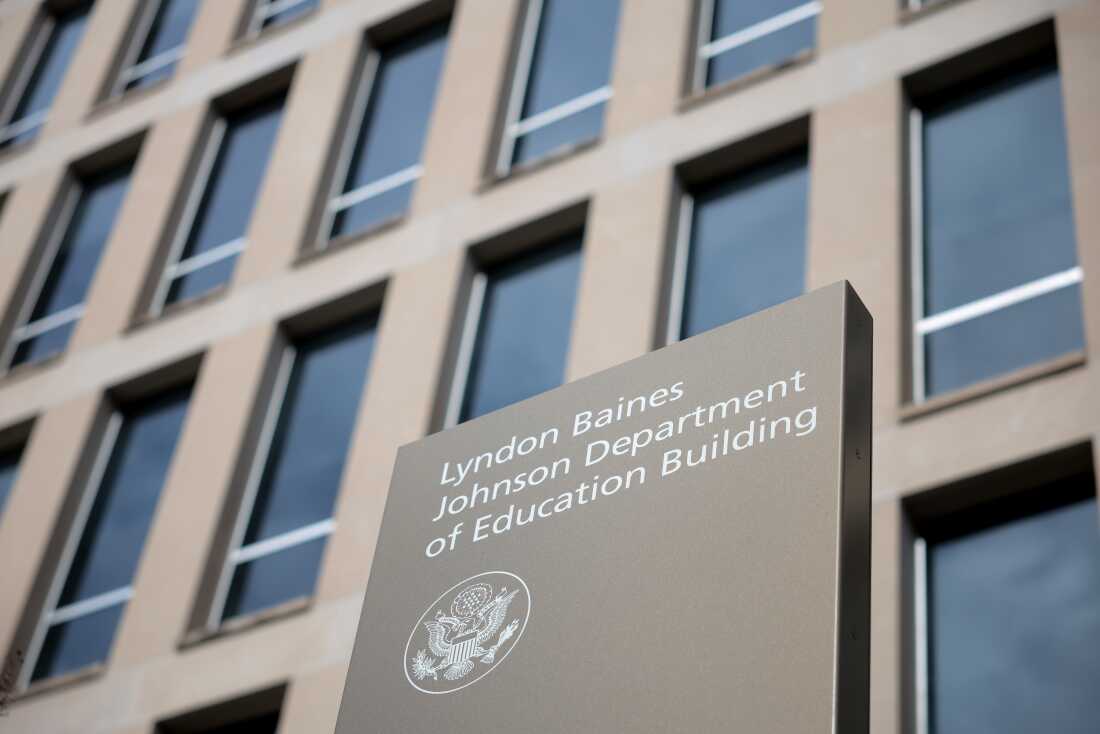
The Education Department building in Washington, D.C. The plan to shift special education oversight worries many disability rights advocates. (Photo: Kayla Bartkowski/Getty Images)
What’s the Big News?
The U.S. Department of Education (the team that helps oversee schools) wants to move its special education helpers to another government group called the Department of Health and Human Services (HHS). HHS is the team that handles health and well-being for people of all ages.
- This move is part of a bigger plan by the Trump administration to eventually close the Education Department and give more control to individual states (they call this the "Returning Education to the States" campaign).
- Three weeks before the call described below, the Education Department announced it would move two of its core jobs—special education and civil rights (fair treatment)—to other agencies.
- The department has already planned to move more than a dozen offices to other agencies.
- On a Thursday phone call, Education Department officials tried to explain the plan to disability rights advocates (people who speak up for kids and adults with disabilities).
Important: A photo caption from NPR says this plan "alarms many disability rights advocates." Also, NPR has a weekly Education newsletter you can read to catch up on such news.
What Is Special Education and IDEA?
Imagine some kids learn differently or need extra help because of a disability (like Down syndrome or autism). Special education is the specially designed teaching and support for those kids.
A long time ago, the government made a promise called the Individuals with Disabilities Education Act (IDEA). In kid terms:
- IDEA is a federal law (a big rule from the national government) that says every child with a disability must get a good public school education together with kids without disabilities.
- The Education Department has been like a referee: it doesn’t run schools directly, but it makes sure schools follow the rule, gives money for services, and helps local leaders.
For decades, this department also helped adults with disabilities transition to life after school.
The Meeting with Advocates
Officials held a private call with disability advocates to ease worries. Here’s what happened:
- Kelly Rogers, the acting assistant secretary overseeing special education, said: "The U.S. Health and Human Services is not taking over IDEA. Period." She meant the law itself stays put.
- But she also said the people who actually do the daily work—from an office called OSERS (Office of Special Education and Rehabilitative Services)—would move to HHS. She would still watch over them from the Education Department "with additional support by HHS."
- She said the administration is "firmly committed to carrying out the federal government’s duty to enforce federal protections for individuals with disabilities" and that the partnership "does not alter that obligation."
- She did not share a specific timeline (like "it happens in July").
Chad Rummel, who leads the Council for Exceptional Children and joined the call, said: "Today’s briefing left more questions than answers for parents and educators… there is no clear and transparent plan around the move to HHS."
Callout for Important Point: Advocates left the call feeling more confused, not reassured. The lack of a clear plan is a major concern.
Why Are People Worried? (What Advocates Say)
Many advocates think this move makes things worse, not better. Here are their main points in bullet form:
- More bureaucracy: Denise Marshall (CEO of COPAA, a group for parents and advocates) says the proposal "appears to add another layer of bureaucracy while creating additional confusion and uncertainty for families, educators, and state agencies."
- Work moved but law kept on paper: Jacqueline Rodriguez (CEO of National Center for Learning Disabilities) explains: the fear is not that IDEA vanishes overnight, but that the people who make the law real for families are shifted elsewhere. This could mean:
- More confusion
- Slower guidance
- Weaker monitoring of schools
- Less accountability when services are delayed or denied
- A "sham" strategy: Marshall notes that the law says the Education Department and its secretary are still legally responsible for IDEA. She says this reorganization "neither advances the stated goal of closing the department nor transfers new authority to the states." Because only Congress can fully dissolve the department, the administration may be keeping a few staff (like Rogers) at Education to technically stay responsible, while real work moves. Marshall calls this "a sham."
What the Government Says
After the call, NPR emailed the Education Department. Press secretary Savannah Newhouse replied:
- "Advocates, parents, and teachers in the special education community have nothing to fear."
- She said the HHS partnership places these duties in a "better positioned agency" that has experience with people with disabilities of all ages.
- She also said: "A different building, a different floor, or a different desk doesn’t change their job responsibilities and commitment to serve students with disabilities every single day."
- Officials say federal money for special education will still flow to states and schools through the Education Department for now, but it’s unclear how systems change when OSERS staff move.
Why Only Congress Can Close the Department
- COPAA points out that the law requires the Education Department to keep administering and enforcing IDEA.
- A federal agency can only be completely shut down if Congress (the elected lawmakers) passes a law. The President cannot do it alone.
- That’s why the step-by-step moving of offices may be a workaround.
What Happens Next? (Numbered Steps)
Based on the article, here is the sequence of events and plans:
- Three weeks ago: Education Department announces it will move special education and civil rights to other agencies.
- Thursday’s call: Officials speak with advocates but give no timeline.
- Planned soon: More than a dozen offices, including OSERS staff, are to move to HHS under the "Returning Education to the States" campaign.
- Advocates respond: They ask Congress to step in and stop the move.
- Unclear future: No one knows exactly how money and oversight will work after staff physically relocate.
Summary
The U.S. Education Department wants to shift its special education office (OSERS) to the Health Department (HHS). Officials promise the protective law (IDEA) stays, but advocates fear confusion, slower help, and weaker checks on schools. The move is part of a larger effort to dismantle the Education Department, yet only Congress can fully close it. With no clear timeline, families and schools remain anxious. As a reminder, this story was edited by Nirvi Shah and visually designed by LA Johnson for NPR.
FAQ
Q1: What is special education?
A: It’s teaching and support made just for kids who have disabilities, so they can learn well in public school.
Q2: Will my child lose their special education services because of this move?
A: Government officials say no—the IDEA law still protects them. But advocates worry the help might become slower and less clear because the workers are moving to a new office.
Q3: What is IDEA in simple words?
A: IDEA stands for Individuals with Disabilities Education Act. It’s a national rule that guarantees kids with disabilities get a quality public education alongside other kids.
Q4: Can the President just close the Department of Education?
A: No. Only Congress can make a law to fully shut it down. The President can move some offices around, though.
Q5: Who is watching out for kids with disabilities right now?
A: The Education Department’s OSERS office and leader Kelly Rogers. They are planned to move to HHS, but Rogers stays at the Education Department for now to oversee.
 1
1