11
11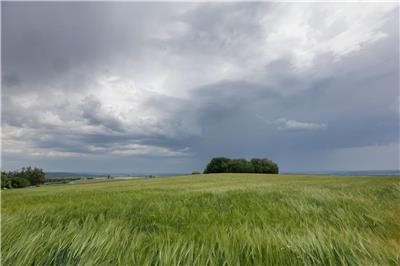
Imagine you live in Baden-Württemberg (a state in Germany). The weather forecast says it will feel like the hottest part of summer at first. But the sun won’t shine all day every day.
The DWD (short for Deutscher Wetterdienst, which is just the German Weather Service) says the weather will become more “changeable” – that means it mixes sun, clouds, and rain like a surprise bag. Also, as the week goes on, it might get a little less hot.
Important: Even though it’s warm, you should pack an umbrella because rainy and stormy bits are coming!
Today the temperature can climb to 35 degrees Celsius (that’s really toasty!). But the sun won’t be out everywhere from morning to night. A DWD spokesperson says it will be more up-and-down weather.
Here is the plan for Tuesday (the next day mentioned) in simple steps:
Important: If you’re in the mountains, be careful! Bad storms with flooding rain, wild winds, and hail can happen.
Let’s check the later days:
Q1: What is the DWD?
A: It’s the Deutscher Wetterdienst, the German Weather Service. They are the official team that predicts the weather.
Q2: What does “Unwetter” mean in the text?
A: It’s a German word for “severe weather” – storms that can be dangerous, like torrential rain, hurricane-like gusts, or hail.
Q3: Why pack an umbrella if it’s super hot?
A: Because hot days can still have sudden rain showers and thunderstorms. An umbrella keeps you dry when the clouds burst!
Q4: What are “Mittelgebirgsraum” and “hohen Lagen”?
A: Simple terms: Mittelgebirgsraum means areas of medium-height mountains, and hohen Lagen means high altitudes (like hilltops or mountain slopes).