11
11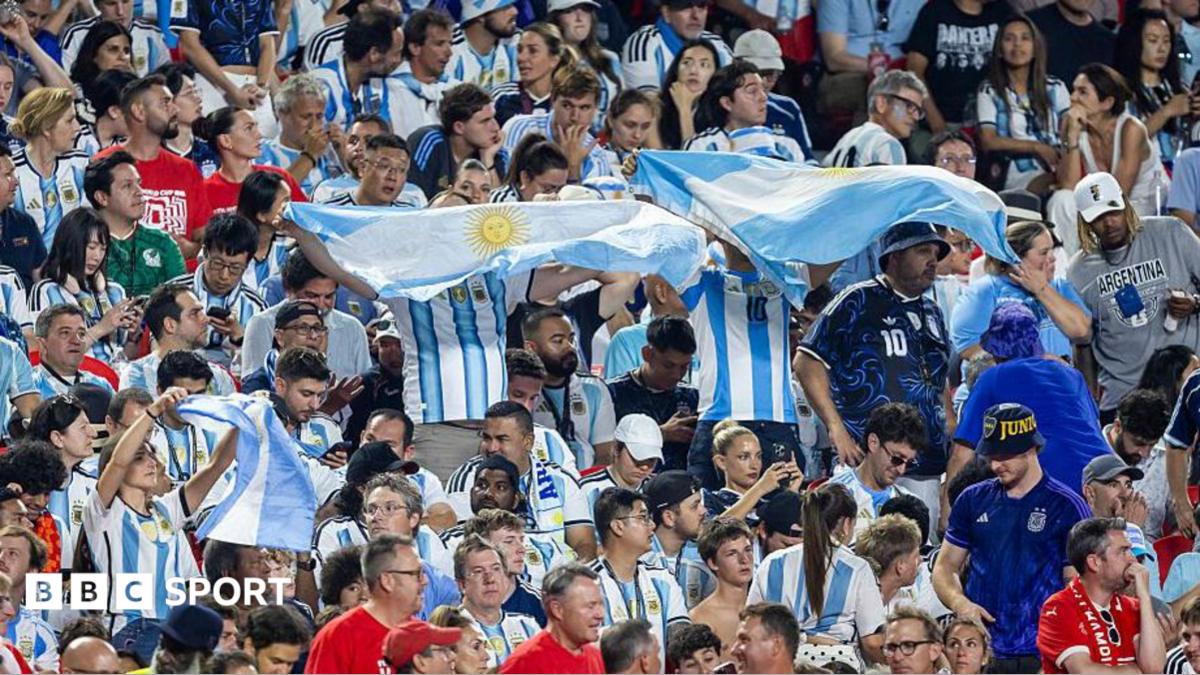
Imagine a bunch of small pieces of land (we call that an archipelago) sitting in the big South Atlantic Ocean. Here are the basics:
In 1982, Argentina tried to take the islands by force. Let’s look at what happened in easy steps:
Important: This was not a game – it cost many lives. In total, 907 people died:
- 649 Argentine military personnel (soldiers)
- 255 from Britain
- 3 Falkland Islanders (people who lived on the islands)
Even 44 years after that defeat, Argentines still care deeply. The islands are still run by Britain, and the memory of lost soldiers is kept alive in several songs.
Because of the historical tensions (old arguments), there will be increased security measures (more guards or police) when such events happen.
Argentine journalist Nicolás Rotnitzsky explained to BBC Sport:
"It’s part of the Argentine culture. It’s like ‘we are not them – we are us’. So we have to jump to prove that we are not one of them."
He also said that, alongside Brazil, England are seen as Argentina’s greatest football rivals. But he added: "It’s not about hate, not at all." He said it’s about building their identity from what happened with the Malvinas (the Argentine name for the Falklands): "It’s about who we are."
Argentina midfielder Rodrigo de Paul said the chants are "very much about our heroes" and not about politics. He reminded everyone: "We have to understand that this is a football match and that the Malvinas issue needs to be discussed elsewhere."
England goalkeeper Jordan Pickford kept it simple: it’s "just a game of football" and predicted "football will do its talking".
Argentina’s April 2 War Veterans Federation said the game is "not an armed rematch nor historical compensation".
Important: Even though people say it’s just sport, the clash between politics (government disagreements) and sport is hard to avoid.
Let’s recap the key points:
Malvinas is the name Argentines use for the Falkland Islands. They believe the islands should belong to Argentina.
It’s a fun way to show team spirit and say "we are Argentine, not English." A journalist explained it’s part of their culture to show "we are us, not them."
No. Experts like Nicolás Rotnitzsky say it’s not about hate. It’s about national identity and remembering heroes from the war, but the players see it as just a game.
It was a 74-day conflict in 1982 after Argentina invaded the islands. Britain won, but 907 people lost their lives.
Yes, indirectly. For example, a referee was removed from a World Cup final match because Argentina was playing, to avoid political tension. Also, extra security is used in matches due to historical disagreements.