 11
11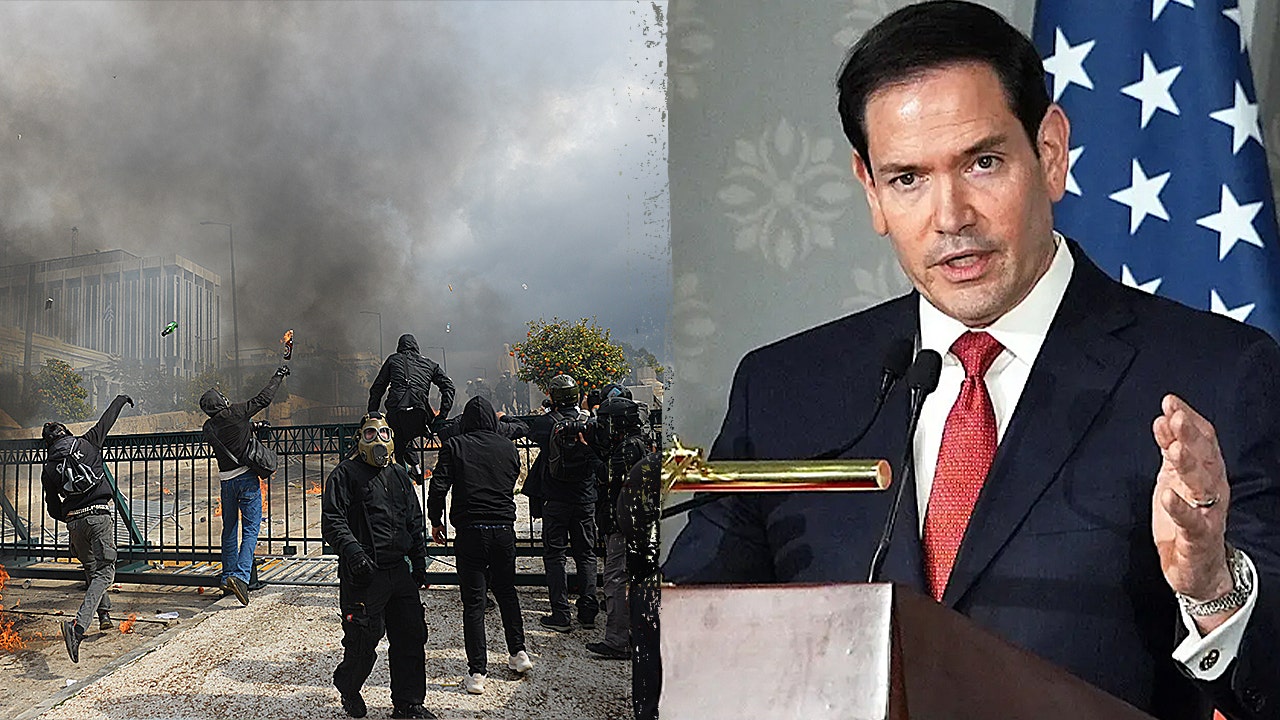
Hey there! Big news came out from Washington, and we’re going to break it down like you’re five years old. (Also, fun note: you can now listen to Fox News articles out loud!)
On Thursday, Secretary of State Marco Rubio said that violent far-left political terrorism “can no longer be denied.”
He was talking to more than 60 countries (about 65 foreign delegations) gathered in Washington for a special meeting at the State Department.
Rubio said governments had spent too long ignoring what he called a comeback of violent far-left extremist groups that work across countries. He wants the world to treat this like a top priority — just like other types of terrorism.
Important Point: Rubio said, “You are here because this is real and it is getting worse, and it can no longer be denied, and it can no longer be ignored. It is time to crush this evil forever.” He also said, “It’s time for people of the civilized world to defend themselves.”
Rubio explained that in the United States:
In November 2025, the State Department labeled four foreign far-left groups as “Foreign Terrorist Organizations.” More such labels are coming.
When a group gets this label:
Rubio says far-left extremist networks:
To fight back, the U.S. and friends should:
Rubio described radical leftism as “a poisonous resentment cloaked in the language of equality and justice.”
This ministerial (a fancy word for a meeting of ministers/leaders) is the result of an 8-month diplomatic effort to convince other governments that violent far-left networks are a growing cross-border problem.
Discussions will include:
Treasury Secretary Scott Bessent and White House Deputy Chief of Staff Stephen Miller are also expected to speak.
Important Point: Administration officials say the effort targets criminal and terrorist violence — NOT people’s political beliefs. A senior official said: “We haven’t waded into trying to disambiguate people’s beliefs and ideologies. In America, you can believe anything you want. The minute that you cross the legal threshold, that changes.”
Officials say recent Europe events show why cooperation is needed:
They also offered up to $10 million reward for info that disrupts the financial networks of the four labeled groups.
Some analysts and foreign officials question:
The administration rejected those worries, saying the focus is narrow: only criminal violence, not beliefs.
A senior official said many partners had a “blind spot” since the 1970s and have noticed a rise in assassinations or plots.
Officials also said some countries asked to join after seeing similar trends at home — not reluctant at all.
The administration says these operate in Germany, Italy, and Greece and coordinated violent attacks across borders:
To wrap it up like a crayon drawing:
Q1: What is a “Foreign Terrorist Organization” in kid terms?
A: It’s a label the U.S. gives to a bad group from another country. After the label, helping them is illegal, their U.S. money is frozen, and they can’t visit the U.S.
Q2: Is the U.S. saying all left-wing people are terrorists?
A: No. Officials say they only go after criminal violence and terrorist acts, not beliefs or opinions. You can believe what you want in America.
Q3: Why does Rubio say this is a “new wave”?
A: He says left-wing attacks and plots in the U.S. are at levels not seen in decades, and groups now work across many borders.
Q4: What are examples of the attacks mentioned?
A: Firebombs on homes in Greece (July 2026) and an arson power attack in Berlin (January) that cut electricity to many people.
Q5: Did other countries want to join?
A: Yes! Officials say several governments reached out to the U.S. asking to be part of the plan after seeing similar problems in their own countries.


