11
11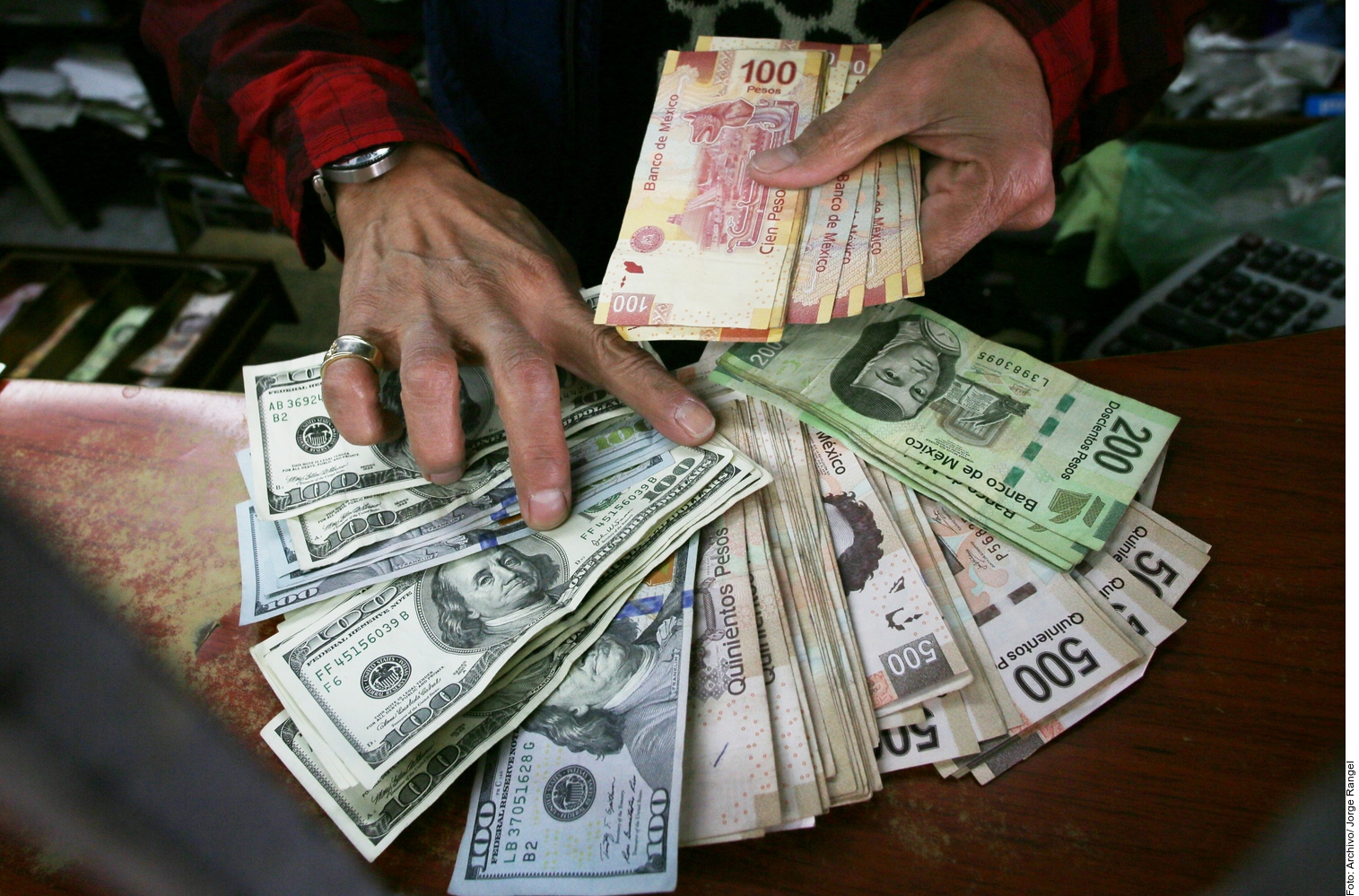
On Thursday, July 16, 2026, the US dollar started the day with an exchange value of 17.38 Mexican pesos. This info comes from the Bank of Mexico (Banco de México), based on the close of transactions from the previous workday.
The Bank of Mexico decides the official exchange rate by using an average of prices from the wholesale currency market (that’s the market where big players trade money). These prices are for deals that get paid two business days later. The bank gets them from currency trading platforms and other electronic sources that represent the market well.
Important: The official rate is not just one bank’s price — it’s an average from the big currency market.
The dollar’s price changes depending on where you go. Here is what we know for that day:
The exchange rate affects lots of everyday things for millions of people, such as:
Since 2023, Mexico has had a “super peso,” which means the peso is strong compared to the dollar. But not everyone wins:
If the exchange rate stays like this for the rest of the year, remittances will lose their buying power (they won’t buy as much as before).
Important: A strong peso can hurt those who depend on US dollars in Mexico.
1. What is the Bank of Mexico’s official exchange rate?
It is the average dollar price from the big currency market, set by the Bank of Mexico for deals paid two days later.
2. Why do banks and transfer companies have different dollar prices?
Each adds its own fees or uses its own pricing, so the buy/sell rates vary.
3. What is a “super peso”?
It means the Mexican peso is very strong against the dollar, which started around 2023.
4. How does a strong peso affect remittances?
Families in Mexico get fewer pesos for the same dollars sent, lowering what they can buy.