Big Win Against Ticketmaster: What It Means for Maryland Music Fans
What Just Happened?
Maryland’s Attorney General, Anthony Brown, helped win a huge antitrust case (an antitrust case is when the government says a company is being unfair by controlling too much of a market). A federal jury (a group of regular people who listen to the case) found that Live Nation–Ticketmaster broke the law by keeping too much power over live concerts and events.
- Live Nation–Ticketmaster is a company that sells tickets, promotes shows, and owns many concert venues.
- The jury said they unfairly kept a “monopoly” (meaning almost no real competition) in parts of the live entertainment world.
Why Maryland Fans Should Care
For people in Maryland who love music, the most important part is still coming up. Their congressional leaders (people they voted for in the U.S. Congress) can help fix things.
- The next step is called the remedies phase (this is when a judge decides how to fix the problem).
- This will decide if fans at places like The Fillmore in Silver Spring and MGM National Harbor actually pay lower ticket prices.
- Or, Live Nation might just keep doing business like before even after losing.
How Live Nation Got So Powerful
Live Nation–Ticketmaster spent years building control over the live entertainment business.
- They control:
- Ticketing (selling the tickets)
- Promotion (getting shows organized)
- Many venues (the buildings where concerts happen)
- According to AG Brown’s lawsuit (a legal complaint), they used that power to:
- Lock venues into exclusive contracts (venues could only work with them)
- Punish competitors
- Make it hard for artists and venues to try other options
- During the trial, there were internal messages from the company that plaintiffs said showed they didn’t care much about fans.
The States Fought Back
State lawyers stepped in to help fans.
- Brown joined 32 states plus Washington, D.C. to sue.
- After a five-week trial, a unanimous jury (all jury members agreed) said Live Nation has a monopoly that hurts consumers.
Quote from AG Brown:
“For years, Live Nation and Ticketmaster exploited their monopoly power at the expense of fans, artists, and competing venues. Today’s historic verdict holds this company accountable under the law, and we will continue fighting to secure the full relief that live music fans, artists, and venues in Maryland deserve.”
The Verdict Is Just the Beginning
Brown’s phrase “full relief” matters because the jury win is only step one.
- Now a judge must decide penalties and reforms (rules to change how the company works).
- Those choices decide if the win really changes the concert world or is just a symbolic victory (looks good but changes nothing).
Marylanders Have a Lot at Stake
This summer, Maryland fans can see big names like:
- T.I.
- Flyleaf
- Jason Derulo
- Darius Rucker
- Ari Lennox
- Sammy Hagar
- Roger Daltrey
But many families find tickets too expensive as prices and fees keep going up.
Important Point
Some experts say past monopoly cases didn’t do enough to bring back competition. If the Live Nation case is similar, the core problems may stay.
What Lawmakers Are Doing
Maryland Rep. Jamie Raskin, a leader on the House Judiciary Committee, held a shadow hearing (an unofficial meeting to spotlight the issue) in mid-May.
- He said remedies must be “searching and comprehensive” (deep and complete).
- He believes the company’s structure “virtually guarantees anticompetitive conduct” (the way it’s built makes unfair behavior almost certain).
- He says structural remedies (like breaking parts of the company apart) should be considered.
Possible Fixes Experts Suggest
- Structural remedies – Make Live Nation sell off parts or separate business lines (like ticketing from venue ownership) to bring back competition.
- Open ticket distribution – Let people buy tickets on many competing platforms (e.g., SeatGeek, StubHub, venue websites) instead of one dominant seller.
- Each platform would try to offer better price, service, and convenience.
- Competition would help fans instead of hurting them.
The Bottom Line
The jury already said Live Nation–Ticketmaster broke the law. Now the court and Congress must decide if that win brings real change. With leaders like Raskin pushing for serious fixes, Maryland music fans have hope for a fairer concert world.
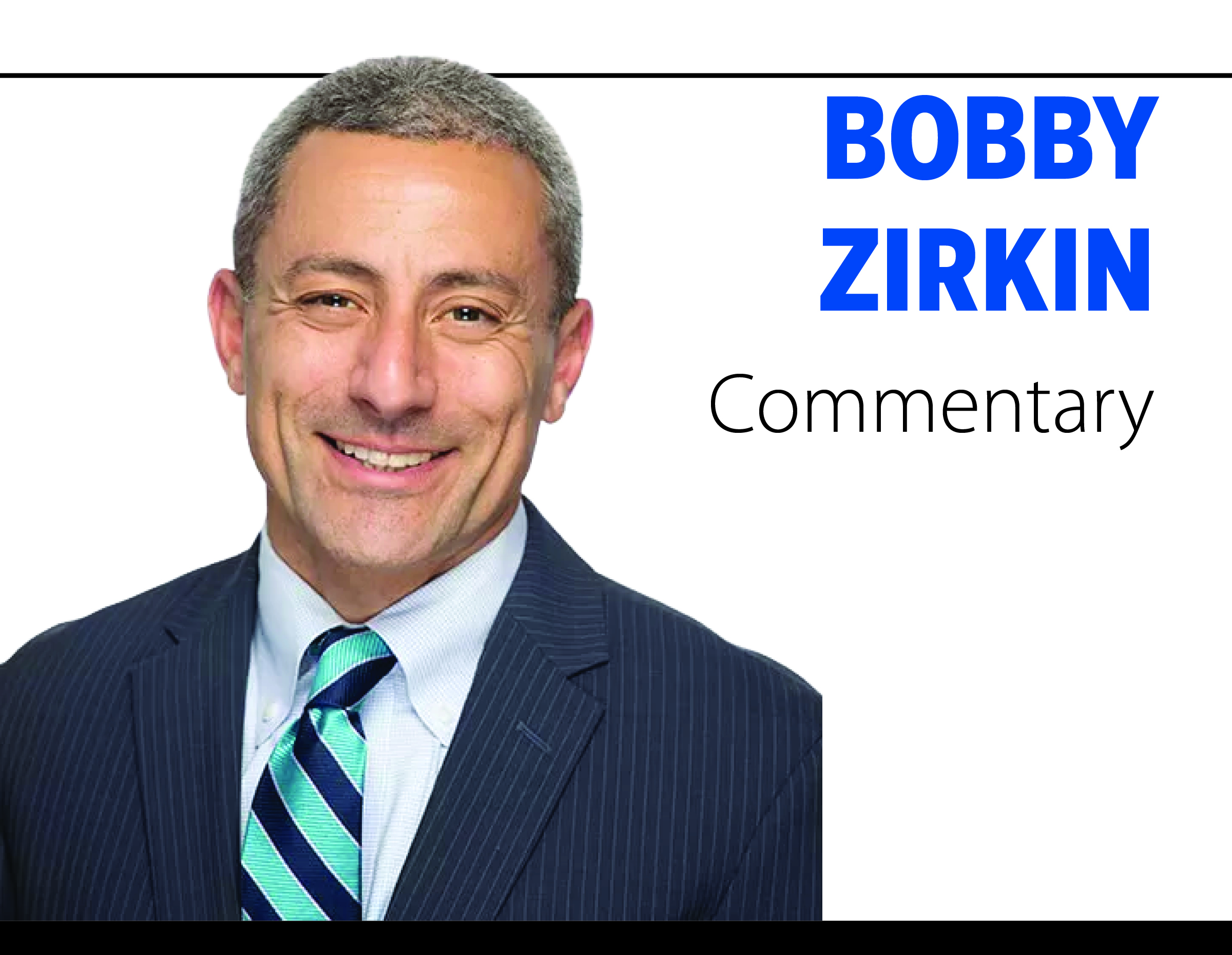
Note: This article was written by Bobby Zirkin, who served 8 years in the Maryland House and 13 years (2006–2020) in the Maryland Senate, where he chaired the Senate Judicial Proceedings Committee.
Summary
- A jury found Live Nation–Ticketmaster illegally held a monopoly.
- AG Anthony Brown and 32 states + D.C. brought the case.
- The next phase decides penalties and reforms that could lower prices.
- Maryland Rep. Jamie Raskin wants strong fixes like splitting the company or opening ticket sales to competitors.
- Real change depends on the judge’s remedies and congressional support.
FAQ
1. What is a monopoly?
A monopoly is when one company controls so much of a market that there is little or no competition, often leading to higher prices and fewer choices.
2. What is the “remedies phase”?
It is the part of the case where a judge decides what the company must do to fix its illegal behavior, such as paying penalties or changing how it operates.
3. Why does this matter to Maryland fans?
Because the outcome could mean cheaper tickets and more choices at local venues like The Fillmore and MGM National Harbor.
4. What is an “open ticket distribution” reform?
It would let fans buy tickets from multiple competing websites or apps instead of being forced to use one main seller.
5. Who is Bobby Zirkin?
He is a former Maryland lawmaker with 21 years of service in the state legislature, and he wrote the original piece this article is based on.
 1
1