 11
11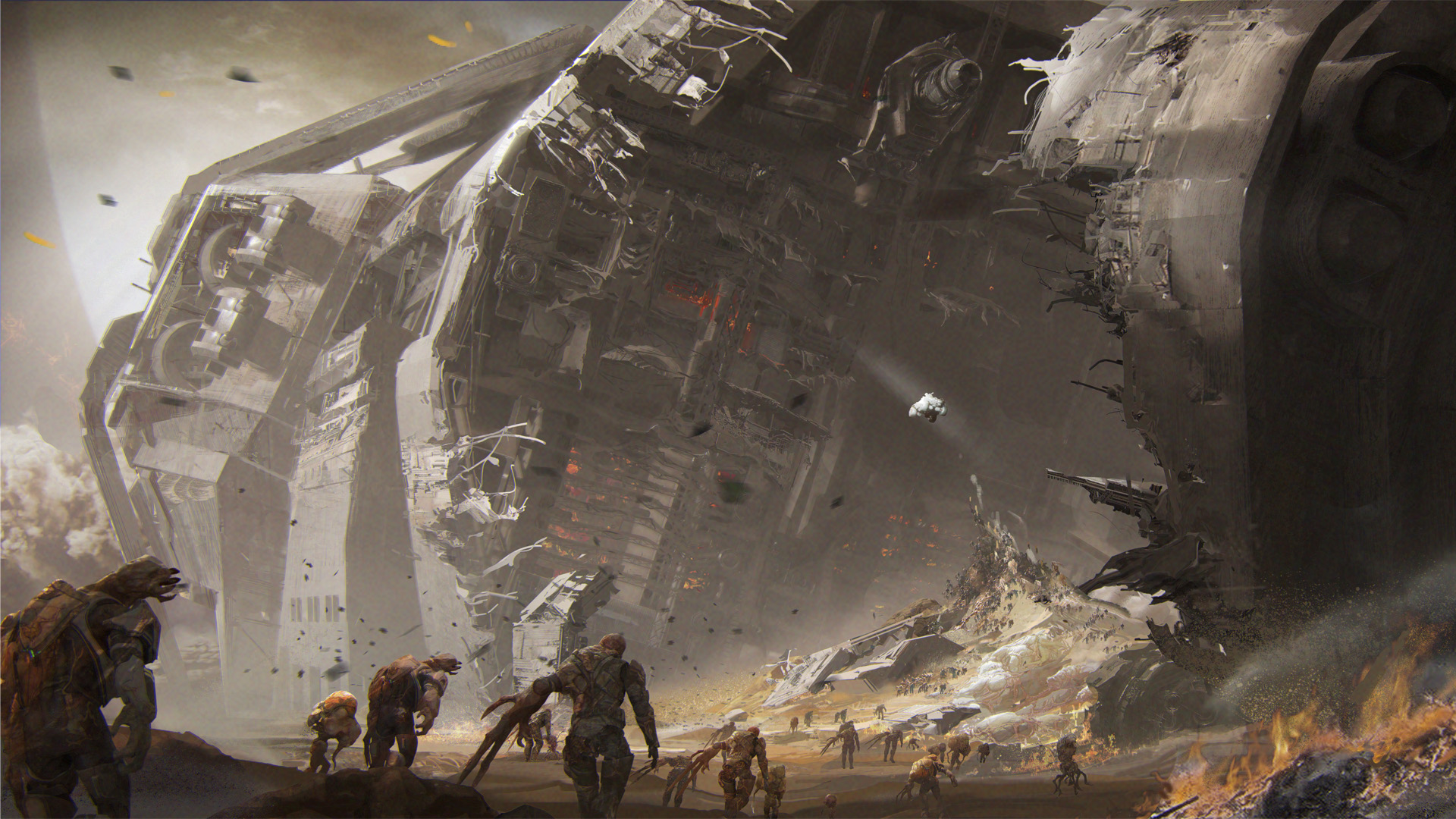
This month, Halo Studios released Halo: Campaign Evolved. This is a big deal! It starts a brand-new chapter for the Halo game series. Not only is it a major milestone for the studio, but it also changes how Halo games are made. Using a powerful tool called Unreal Engine 5, the team brought the Halo world to life like never before—while still keeping the heart of the original game.
From early sneak peeks of Project Foundry to the finished game, the art team made something that feels both new and familiar—like the Halo you remember from 2001, but shinier and cooler.
We talked with:
They told us how they made the game look so awesome!
Important Point: Halo: Campaign Evolved is a full remake of Halo: Combat Evolved (the original 2001 game), built from scratch using modern tools.
Project Foundry was like a practice sandbox. The team used it to test what it means to build Halo inside Unreal Engine.
Chris Matthews (CM) says:
That practice work directly helped in Halo: Campaign Evolved:
Donnie Taylor (DT) explains:
CM adds:
Unreal helped the team:
Cool Unreal tools they used:
These let them make the game richer than ever before.
Remaking a beloved game is scary and exciting! At the start, the art team made 5 key pillars:
CM’s North Star:
They balanced three things:
They checked every idea with Halo writers to stay true to the story.
CM says:
Halo: Combat Evolved Anniversary was a previous redo.
DT:
CM:
CM explains simply:
They chose a full remake to honor the 2001 game and let players feel that same awe today.
DT: Lots of talks with team and fans. Everyone loves different Halo things.
CM: They dug into early sketches and compared them to the released game and later Halo lore. They treated original elements like crown jewels—only refined if it helped gameplay or fixed old limits.
Halo has changed its look over 25 years. How did they pick?
DT: They did an “Evergreen Assets” exercise:
CM examples:
Say they picked an Elite design from Halo Infinite:
CM: Every piece built from scratch. If a design was already best, keep it. If details were lost, go back to original and modernize.
DT: Rebuilt fully for modern standards. Talked with character team to ensure it fit the art plan.
Three bonus missions (Operation: METEORITE) were added.
DT: Similar approach, but more efficient—they learned from the first ten.
CM: Bonus missions let them make new Halo content. Same discipline: must feel like Halo history.
CM: Introduced a new Covenant faction: the Sacristan (dogmatic aliens). Pushed Covenant style to be more ornate and severe.
DT’s three drivers:
Goal: Familiar Halo but unique alien space ship feel.
DT: Visuals stayed true to original. Proud of the team’s passion and grit.
CM: Proud of authenticity and community feedback. Wanted a “love letter” to original Halo.
When you load the game (launch July 28, or July 23 with Premium Early Access):
DT: Hope and excitement—first taste of Halo’s future.
CM: Old fans feel 2001 awe; new players feel adventure. Even the menu uses the real in-game ring for consistency.
Halo: Campaign Evolved is a from-scratch remake of the original Halo, built in Unreal Engine 5. The art team used Project Foundry to learn, followed 5 clear pillars, respected Bungie’s legacy, and added new bonus missions. They balanced old and new looks carefully. The result is a loving, modern rebuild launching July 28 (or July 23 with early access).
Q1: What is Unreal Engine 5?
A: It’s a game-making tool that lets artists build detailed worlds faster and easier than older engines.
Q2: Is this just a graphics upgrade?
A: No! It’s a full remake—rebuilt from the ground up, not just prettier textures.
Q3: What are the bonus missions about?
A: They are new stories called Operation: METEORITE featuring a new alien faction, the Sacristan.
Q4: Why did they keep Cortana’s blue color if the original was purple?
A: They balanced the original purple with the iconic blue fans know from later games.
Q5: When can I play it?
A: July 28 for everyone; July 23 if you pre-order Premium Edition for up to 5 days early access.