Tony Romo’s Arrest: What Happened, Explained Simply
The Big Picture
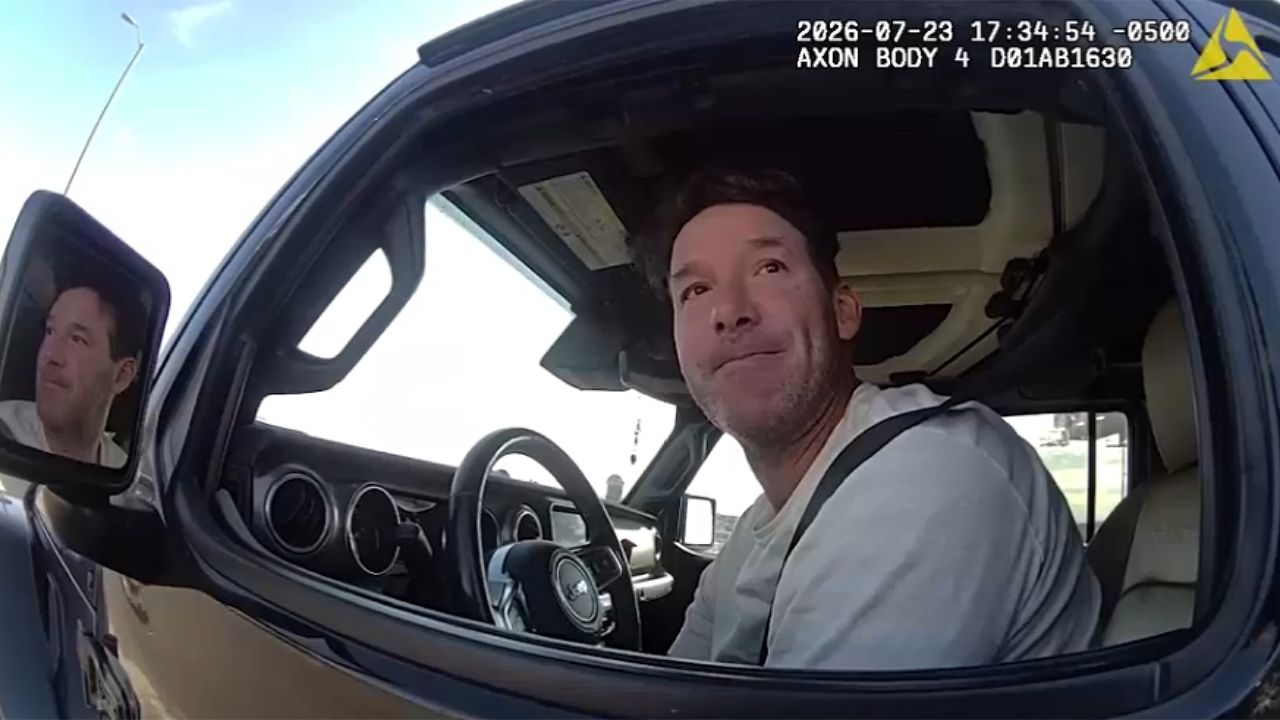
Former Dallas Cowboys quarterback and current CBS sports analyst Tony Romo was arrested for driving while intoxicated. The website TMZ got ahold of the police body camera videos and shared them with the public. These videos show exactly what happened from the moment he was pulled over to the moment he was put in handcuffs.
Important Point: This article explains what is shown in the publicly released police videos. In the American legal system, everyone is presumed innocent until proven guilty in a court of law.
Section 1: The Traffic Stop (Video #1)
The first video starts with a police officer pulling Romo over on a busy highway bridge.
What happened step-by-step:
- The Stop: The officer approaches Romo’s vehicle.
- The Request: The officer tells Romo he needs to step out of the car to do a field sobriety test (physical exercises police use to check if a driver is impaired).
- The Lawyer Question: Romo repeatedly asks, "Can I call my lawyer?"
- The Officer’s Answer: The deputy repeatedly tells him no, he cannot call a lawyer right now.
- The Standoff: Romo appears to try making a call anyway. The officer calls for backup/assistance.
- Compliance: Once backup is called, Romo agrees to cooperate.
- The Move: Because they were on a narrow, busy bridge, the officer explains they need to drive to a flat, safe, level area to do the tests properly.
Section 2: The Field Sobriety Tests (Video #2)
The second video shows Romo performing the tests in the new location. He is barefoot.
Test 1: The "Walk-and-Turn" (Heel-to-Toe)
- The Instructions: The officer explains to walk a straight line, touching heel-to-toe, turn around, and walk back.
- Romo’s Reaction: He says, "No, I don’t [understand]. There’s too many [instructions]."
- Medical Info: Romo volunteers that he has had "two back surgeries."
- The Performance: When he walks, his heel lands far in front of his toe on almost every step (instead of touching).
Test 2: The "One-Leg Stand"
- The Instructions: Stand on one leg, keep the other foot off the ground, and count.
- The Confusion: Romo can’t decide which leg to use initially.
- The Performance: He picks his left leg but waves his arms around to keep his balance (which is usually a clue officers look for).
- The End: The deputy stops the test early.
Section 3: The Breath Test & The Arrest
After the physical tests, things move quickly.
The Breathalyzer Request
- Officer: Asks if Romo will take a breath test (breathalyzer) to measure blood alcohol.
- Romo: Refuses immediately.
"We’re not doing that. I hear from all the lawyers, ‘Don’t ever do that.’ So we’re not gonna do that."
The "Did I Pass?" Moment
- Romo: Asks, "Did I pass this test?"
- Officer: Replies, "Turn around." (Police code for "put your hands behind your back.")
- Romo: Realizes the answer. "No, I didn’t. Huh?"
The Final Moments
- Romo asks to make a phone call because "there’s a plane taking off."
- The officer informs him: He is under arrest.
Summary of Key Facts
| Detail |
What Happened |
| Who |
Tony Romo (Ex-NFL QB, CBS Analyst) |
| Charge |
Operating While Intoxicated (OWI/DUI) |
| Location |
Busy highway bridge → moved to level ground |
| Footwear |
Barefoot during tests |
| Medical Context |
Mentioned two back surgeries |
| Test Performance |
Struggled to understand instructions; failed heel-to-toe; balance issues on one leg |
| Breath Test |
Refused (citing legal advice) |
| Outcome |
Arrested at the scene |
Frequently Asked Questions (FAQ)
1. Why was he barefoot?
The video doesn’t explicitly say why his shoes were off. Sometimes officers ask drivers to remove shoes for the walk-and-turn test to see natural balance, or Romo may have taken them off himself. The video shows him performing the tests without them.
2. Can you really refuse a breathalyzer?
Yes, but there are consequences. In almost every state (including Wisconsin, where this occurred), driving is a privilege that comes with "Implied Consent" laws. This means by having a license, you automatically agreed to take a chemical test (breath, blood, or urine) if arrested for OWI.
- Refusing usually means: An automatic license suspension (often 1 year or more), separate from any court punishment.
- However: You generally have the right to refuse the portable roadside breath test (PBT) before arrest in many states, but not the official evidentiary test at the station/hospital after arrest.
3. Why couldn’t he call his lawyer during the stop?
This is a common misunderstanding. You have the right to a lawyer for questioning (Miranda rights), but not usually for the decision to take a field sobriety test or a chemical test. The roadside investigation happens fast, and courts have ruled that the right to counsel doesn’t attach until after the arrest process begins or formal questioning starts.
4. Do back surgeries explain the bad performance?
They are a factor, but not a "free pass." Romo mentioned them to the officer. Balance and walking tests can be harder for people with back, leg, or inner ear issues. However, officers are trained to note medical conditions. A prosecutor would argue the specific clues (like not understanding instructions, stepping off the line, using arms for balance) indicate impairment, not just surgery recovery. A defense attorney would argue the surgeries make the tests unreliable.
5. What happens next legally?
- Arraignment: Romo appears in court, enters a plea (Guilty/Not Guilty).
- Discovery: Both sides share evidence (the bodycam videos, police reports, calibration records for breath machines).
- Motions: Lawyers argue to keep evidence in or throw it out (e.g., "Was the stop legal? Were the tests given correctly?").
- Resolution: Most cases end in a plea bargain (pleading guilty to a reduced charge) or go to trial.
Final Summary
- Tony Romo was pulled over on a bridge and asked to do sobriety tests.
- He was confused by the instructions and struggled physically (heel-to-toe, one-leg stand).
- He mentioned two back surgeries as context for his physical difficulty.
- He refused the official breath test, citing advice from lawyers.
- The officer arrested him immediately after the tests.
- The bodycam footage provides a transparent, unedited look at the entire interaction.
Remember: An arrest is an accusation, not a conviction. The legal process will now determine the final outcome.
 1
1