Cyberattack Hits Minnesota Water Systems: What Happened and What You Need to Know
What Happened in Simple Terms
Imagine someone sneaking into the control room of your town’s water system through the internet and messing with the switches that tell pumps when to turn on and off. That’s essentially what happened to more than 30 community water systems across Minnesota this week.
Key facts:
- Hackers targeted the technology used to remotely monitor and control water equipment
- Some cities had to switch to manual operations (workers physically going to sites to turn valves and check levels)
- No drinking water was contaminated – your tap water stayed safe
- The attack also affected systems in at least 6 other states
- Federal agencies (FBI, EPA, CISA) issued emergency warnings about this threat
The Technology They Attacked: PLCs Explained Like You’re 5
ELI5: What is a PLC?
Think of a Programmable Logic Controller (PLC) like a smart robot brain inside a water pump station. It gets messages like "Water tower is low – turn on pump!" and "Tower is full – turn off pump!" Normally, operators can check these robots from their office computers using the internet. But if the robot’s "front door" (internet connection) isn’t locked, bad guys can walk in and send fake messages.
Why this matters:
- PLCs control real physical things: pumps, valves, chemical dosing
- When hackers mess with PLCs, real water stops flowing or tanks overflow
- In Minnesota: some cities lost monitoring, had pressure drops, and even flooding
Who Might Be Behind It?
| Possibility |
What We Know |
| Iranian government hackers |
U.S. officials are investigating this – Iran’s Revolutionary Guard has hacked US water systems before (2023) |
| Someone pretending to be Iran |
Hackers sometimes leave "fake fingerprints" to blame another country |
| Unknown group |
Investigators haven’t confirmed any specific actor yet |
Important: Minnesota and federal agencies have not publicly blamed anyone. The investigation is ongoing.
How Three Minnesota Cities Handled It
1. South St. Paul (Suburban)
- Detected issue: Early Monday
- Response: Immediately switched to manual operations
- Result: Zero interruption to water service
- Data safety: No customer/resident data accessed
2. Braham (Rural, North of Minneapolis)
- Detected issue: Monday – noticed well malfunctioning
- Response: Isolated system, restored backup, restarted plant in 90 minutes
- Result: No water loss (tower holds 2-day supply)
- Fix: Disconnected from public internet, meeting with tech provider
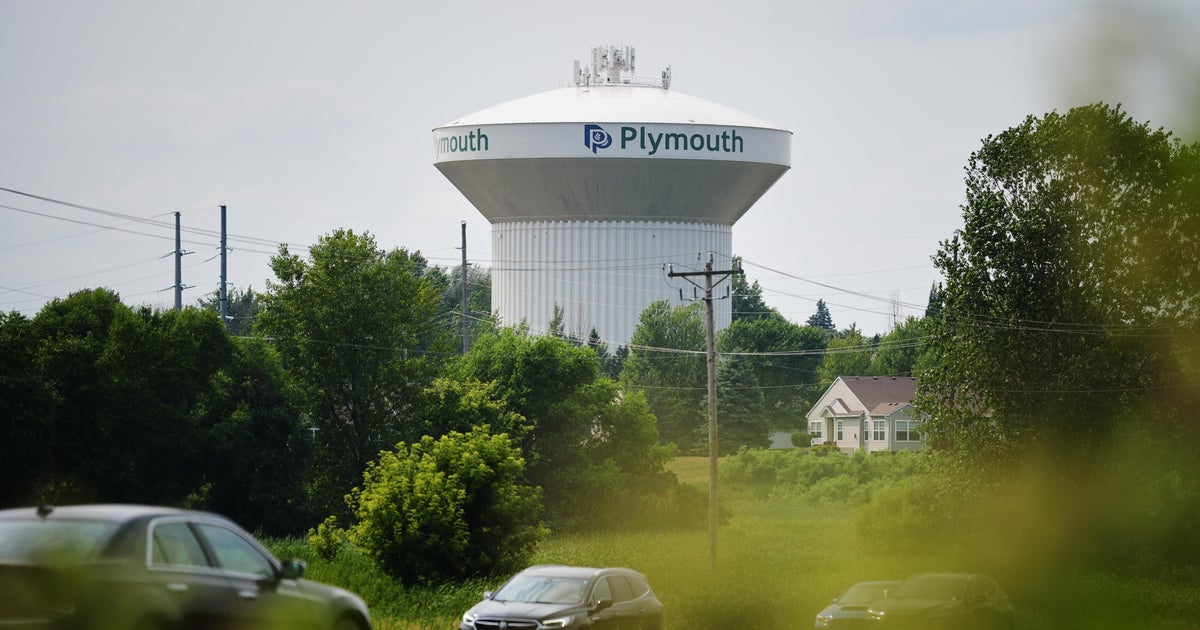
3. Plymouth (Suburban)
- Detected issue: Sunday evening – PLCs compromised at 2 water towers + 14 sewer lift stations
- Response: Disconnected from cellular network, went manual
- Timeline: Normal communications restored by Tuesday afternoon
- Quote from Public Works Director: "I think you never expect it to happen to you."
What Authorities Are Telling Water Systems to Do RIGHT NOW
CISA (Cybersecurity Agency) Emergency Checklist:
- Disconnect PLCs from the public internet immediately – no exceptions
- Check ALL remote connections – including cellular modems installed by vendors that might not be documented
- Change ALL default passwords – this is how Iran hacked systems in 2023
- Validate firewall rules – ensure only authorized IPs can reach control systems
- Enable logging and alerts – know immediately if someone tries to access
- Test manual operations – practice running systems without computers regularly
- Report suspicious activity to CISA and FBI immediately
Pro Tip: Even "mature" cybersecurity programs are being told to double-check everything – this attack caught many off guard.
CALLOUT: WHY THIS MATTERS TO EVERYONE
This wasn’t a "movie hack" – it was basic security failures exploited at scale.
- Water is life-critical infrastructure – no water = hospitals close, fires can’t be fought, sanitation fails
- Small towns are targets too – Braham (population ~1,500) got hit just like Plymouth (population ~80,000)
- Default passwords are still a thing – the 2023 Iran attacks worked because utilities never changed "admin/admin"
- Cellular modems are invisible doors – vendors install them for maintenance, then forget they exist
- Manual override saves lives – cities that practiced "analog mode" kept water flowing
Summary
- 30+ Minnesota water systems hit by cyberattack targeting industrial controllers (PLCs)
- No water contamination reported – safety systems and manual overrides worked
- At least 7 states affected nationwide
- Suspected Iranian involvement but not confirmed – could be false flag
- Root cause: PLCs and cellular modems left exposed on public internet with weak security
- Immediate fix: Air-gap (disconnect) all operational technology from internet
- Long-term: Better inventory, password hygiene, vendor management, and manual operation drills
FAQ: Your Questions Answered
1. Was my drinking water poisoned?
No. Multiple officials confirmed water quality, treatment, and delivery were never affected. The attackers hit control systems, not treatment chemicals.
2. Could this happen in my town?
Yes. CISA says attackers are targeting "water entities of all sizes" nationwide. If your water utility has internet-connected controllers, it’s a target.
3. Why were these systems on the internet in the first place?
Convenience. Operators want to monitor pumps from home or office. Vendors install cellular modems for remote maintenance. But convenience ≠ security.
4. What’s a "false flag" in hacking?
When attackers deliberately leave evidence pointing to another country (like Iran) to mislead investigators or stir political tension.
5. What should I do as a resident?
- Stay informed – follow your city’s official communications
- Conserve water if asked during emergencies
- Support funding for utility cybersecurity upgrades (it’s cheap insurance)
- Report oddities – if water pressure drops strangely, notify your utility
Final Thought: This attack was a wake-up call, not a catastrophe. The fact that small-town crews could switch to manual mode in 90 minutes shows preparation works. But every water system in America needs to treat this as their "patch now" moment – before the next one hits.
 1
1