 11
11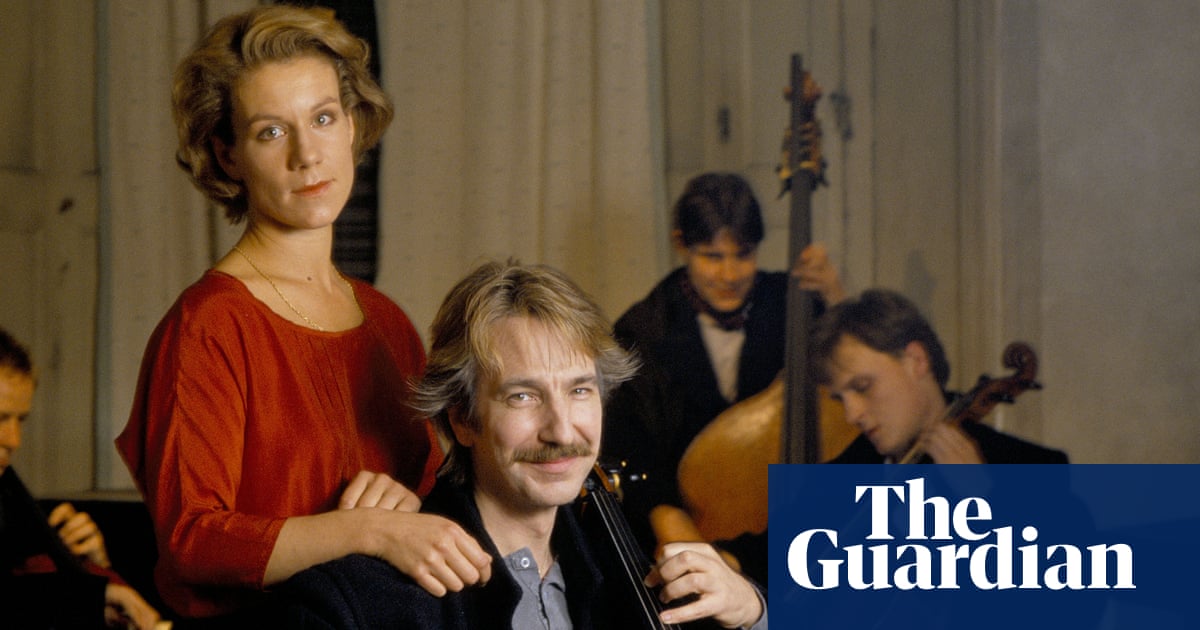
Important Callout: The cello isn’t just background music in movies—it’s practically a character actor. Filmmakers use it as visual and emotional shorthand for "deep, complex, and human."
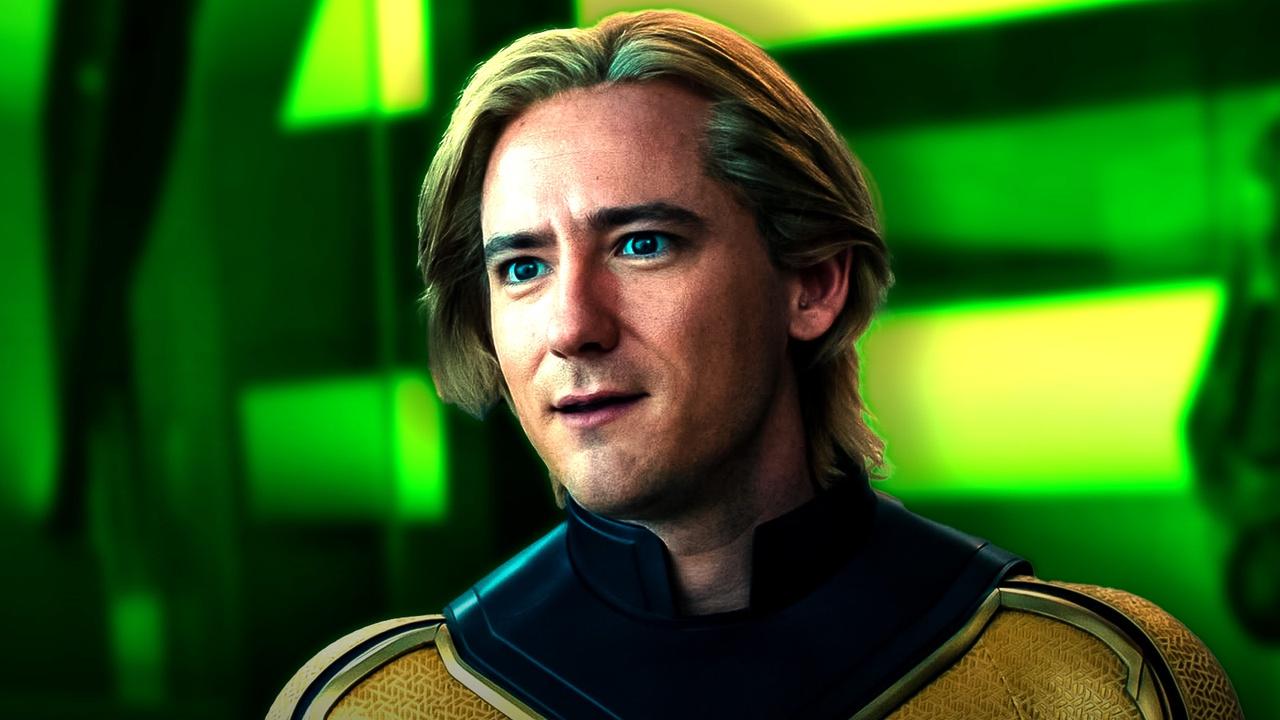
Right now, the cello is everywhere on screen. A new trailer just dropped for Behemoth!, starring Pedro Pascal as a famous cellist who writes movie scores. Real-life Oscar-winning composer Hildur Guðnadóttir (who scored Joker and Tár) says the instrument is "definitely having a moment right now. But it’s always been present."
She’s not kidding. The cello has been stealing scenes for nearly 70 years.
The cello’s cinematic debut as a character-defining instrument traces back to 1957’s Love in the Afternoon, where Audrey Hepburn played a witty young cellist. Since then, the cello has become a universal symbol for a specific type of character:
Even Tony Stark name-dropped a cellist in The Avengers (2012) to show emotional depth.
Important Callout: The cello’s range matches the human voice almost perfectly—and it can "bend" notes like a singer.
According to Guðnadóttir, the cello "comes closest to the human vocal range." Here’s why that matters:
| Instrument | How It Sounds | Expressive Flexibility |
|---|---|---|
| Piano/Keyboard | Press a key → one fixed note | Low – notes are "straightforward, definitive" |
| Cello | Bow touches string → infinite variation | High – can slide, swell, and shape notes exactly like a human voice |
| Bass Clarinet | Similar vocal quality | Also expressive, but rarely cast as a lead |
In simple terms: Put an actor with a cello on screen, and they can "speak" without words. The instrument becomes an extension of their emotions.
It’s not just about sound. The cello is visually dynamic:
Director Richard Shepard (The Perfection, 2018) deliberately chose the cello for his horror-thriller because:
The cello fits into almost every genre:
| Genre | Example | What the Cello Represents |
|---|---|---|
| Sci-fi romance | If I Stay (Chloë Grace Moretz) | Connection to life/art |
| James Bond | The Living Daylights (Maryam d’Abo) | Sophistication, vulnerability |
| Sitcoms | Frasier, New Girl | Quirky love interest |
| Supernatural thriller | What Lies Beneath (Michelle Pfeiffer) | Unease, the uncanny |
| Neo-noir | Jennifer 8 (Uma Thurman) | Darkness, intensity |
| Horror | Wednesday (Jenna Ortega), The Perfection | Gothic, disturbing beauty |
The "ugly cello" effect: Guðnadóttir explains that when the cello is played harshly—"choked," scratched, distorted—it feels deeply uncomfortable precisely because we expect it to be beautiful. That contrast makes it perfect for horror.
Important Callout: Unlike piano (hide hands) or singing (lip-sync), the cello demands full-body commitment. You can’t bluff it.
This authenticity pays off awards-wise:
| Actor | Role | Training Result |
|---|---|---|
| Emily Watson | Hilary and Jackie | Oscar nomination |
| Jenna Ortega | Wednesday | Golden Globe & Emmy nominations |
| Pedro Pascal | Behemoth! | Calls it "literally the hardest, hardest, hardest thing I’ve ever had to learn" |
Real-life cellist Dermot Mulroney even played on Mission: Impossible scores and guest-starred in Mozart in the Jungle.
David Cohen, principal cellist of the London Symphony Orchestra, confirms the stereotype:
"There’s definitely a stereotype that cellists are the orchestra’s empaths – warm, thoughtful and just a little bit intense. I’m not sure it’s entirely true, but it’s amusing that film-makers so often cast cellists as the emotionally intelligent ones. You rarely see the villain saying: ‘Just let me finish my Bach Suite…’"
He calls the cello "the Meryl Streep of the orchestra" because it can sound:
Music therapist Catherine Warner analyzes two famous scenes:
Jack Nicholson (devil) + Susan Sarandon (cellist) duet
→ Symbolizes sexual awakening and finding authentic emotional expression
Russell Crowe (violin, flashy soloist) + Paul Bettany (cello, steady bass line)
→ Represents a supportive partnership where the cello "grounds" the violin’s brilliance
Warner’s takeaway: The cello is a "literal baseline"—a straight man that performs whatever emotional function the story needs.
Warner writes: "Symbolically, the cello can evoke the sense of the instrument being rather like a person."
Guðnadóttir agrees: The cello’s size and shape mirror the human body. You hold it between your legs, embrace it, fight it, comfort it—or as The Perfection shows, strangle it.
It’s not a prop. It’s a scene partner.
Bottom line: When a movie needs a character who feels deeply, thinks intensely, or hides darkness behind beauty… they hand them a cello.
The violin is too high-pitched (less like adult voice), the viola is visually similar but less known, and wind instruments hide the actor’s face. The bass clarinet sounds human but isn’t visually iconic. The cello hits the "sweet spot" of sound + look + cultural recognition.
They really learn. Jenna Ortega, Emily Watson, and Pedro Pascal all underwent intensive training. Directors like Richard Shepard (The Perfection) pride themselves on using actors’ real hands in almost every shot—only two hand-doubles in the entire film.
Partly. David Cohen (London Symphony Orchestra) says it’s a running joke that cellists are the "empaths" of the orchestra. But he admits the instrument’s versatility—able to sound noble, lonely, or heroic in one phrase—shapes how composers write for it, which reinforces the typecasting.
Composers and players use extended techniques: bowing too close to the bridge (harsh, glassy sound), excessive pressure (scratching), col legno (hitting strings with wood of bow), or detuning strings. It takes a beautiful sound and makes it viscerally uncomfortable—perfect for psychological horror.
If history is any guide: very possibly. Three of the last major actors who learned cello for a lead role (Watson, Ortega, Foxx in The Soloist) earned major award nominations. Pascal himself calls it the hardest thing he’s ever learned—which is exactly the kind of "commitment narrative" awards voters love.