11
11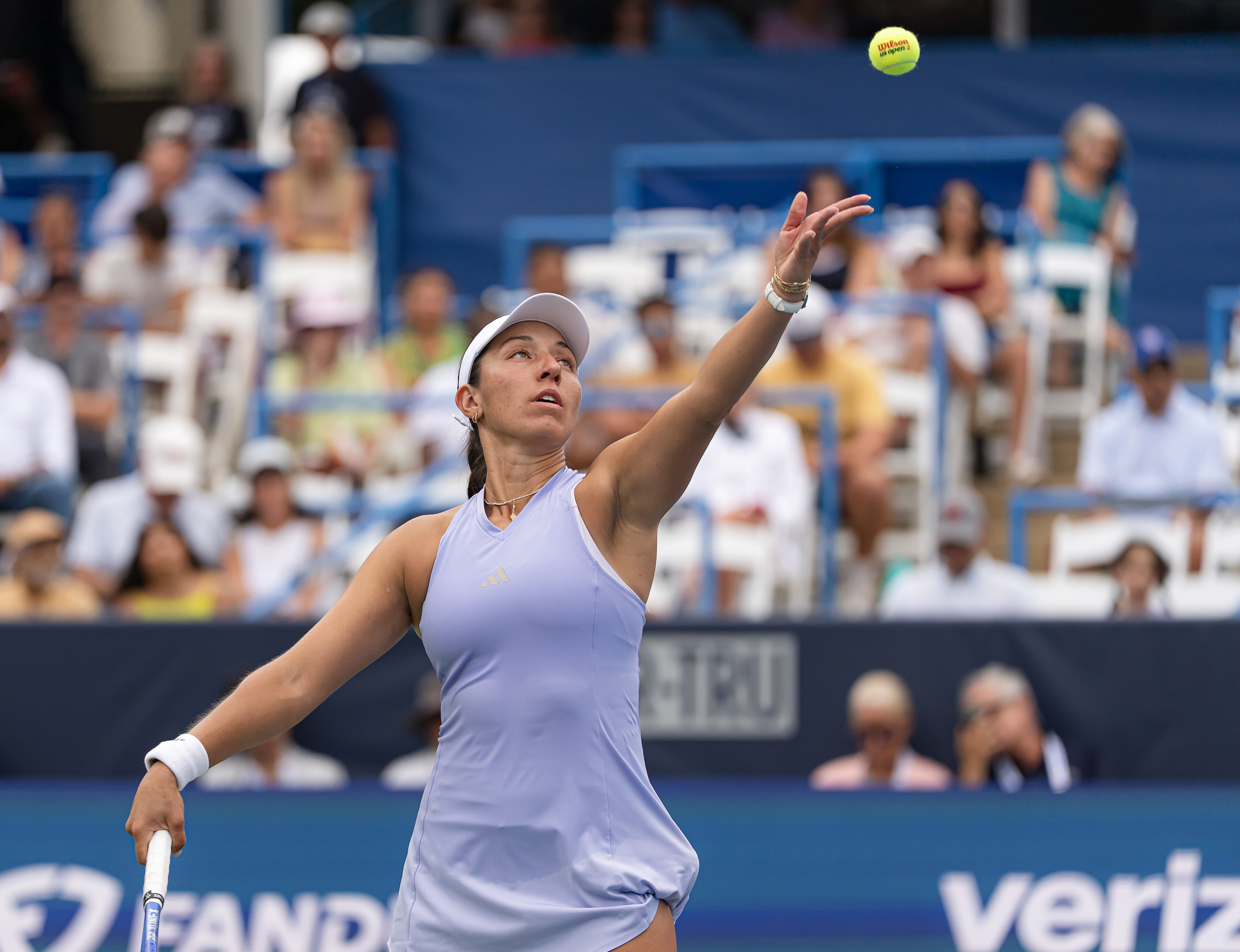
On Friday at the Mubadala DC Open in Washington, Jessica Pegula beat Anna Kalinskaya in the quarterfinals. Here is the simple breakdown:
Important Point: Even though the score looks comfortable, Pegula said she felt "on edge" the whole time. In tennis, a match can flip in seconds!
Usually, when these two play, it is a long, three-set battle. This time, Pegula won in two sets. But don’t let the scoreboard fool you.
Pegula explained: "She hit a couple winners. I missed just like one or two balls and all of a sudden … it’s 5-all and this could swing totally the other way."
Translation: At 5-5 in the second set, Kalinskaya almost came back. One or two missed shots by Pegula, and the match could have turned into another three-set marathon.
The biggest reason Pegula stayed in control? Her serve was on fire.
| Stat | What It Means |
|---|---|
| 0 break points faced | Kalinskaya didn’t get a single chance to break Pegula’s serve… |
| …until 5-4 in Set 2 | …when Pegula was serving for the match! |
| 6 aces | Serves Kalinskaya couldn’t even touch |
| 80% first-serve points won | When Pegula got her first serve in, she won the point 8 out of 10 times |
| 64% second-serve points won | Even on her "safety" serve, she won nearly 2 out of 3 points |
Key Takeaway: In tennis, holding serve (winning your own service games) is the foundation of winning matches. Pegula made it look easy.
Pegula has been working with coaches Mark Knowles and Mark Merklein for two years. Their focus? Making her second serve a weapon, not a weakness.
Pegula’s words: "I’ve always had a really consistent second serve. I never am afraid to double fault… So we kind of use that as an advantage."
Mental Edge: Because she isn’t scared of missing, she can swing freely. Against a great returner like Kalinskaya, being brave on the second serve is a superpower.
This is Pegula’s third semifinal in Washington. Her first big breakthrough here was seven years ago in 2019.
Pegula on that moment: "It was just kind of a relief… whenever you accomplish something that seems really far away or really hard, you realize it’s not as hard as you think it is."
That 2019 title was the spark that helped her become a Top 5 player today.
| Player | How They Got Here |
|---|---|
| Jessica Pegula | Beat Anna Kalinskaya 6-3, 7-5 |
| Diana Shnaider | Beat Liudmila Samsonova (former DC champ) in straight sets |
Fun Fact: Shnaider knocked out Liudmila Samsonova, who won this tournament in 2022. So both semifinalists have beaten former champions!
They have very similar playing styles — both are smart, consistent baseliners who move well. They know each other’s games perfectly, so matches become chess matches decided by a point here or there.
A break point is when the returner (not the server) is one point away from winning the game. Since serving is a big advantage in tennis, breaking serve is a huge deal. Pegula didn’t give Kalinskaya a single chance until the very end.
A rising young Russian player (born 2004) known for her lefty spin and court smarts. She just beat last year’s finalist, Liudmila Samsonova. She’ll be a tricky opponent for Pegula.
Absolutely. She’s a former champion here, playing great tennis, serving confidently, and has the mental toughness from her 2019 breakthrough. But in tennis, anyone can win on any given day — that’s why we watch!