11
11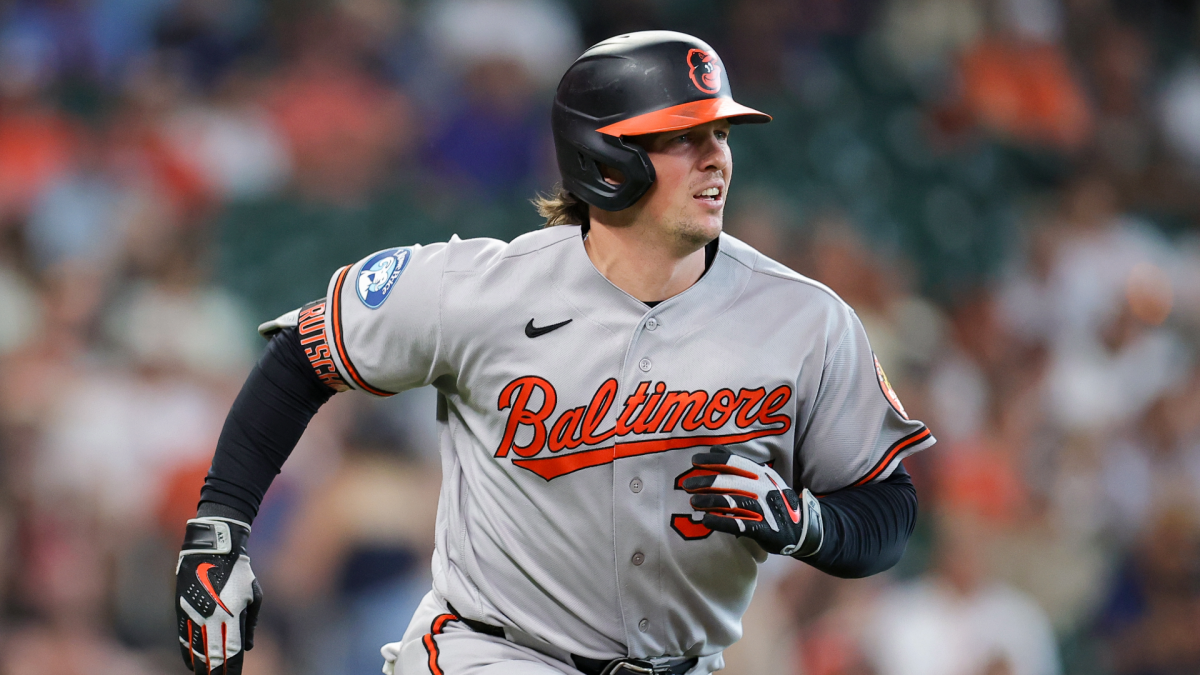
Important: The MLB trade deadline is August 3, 2026. This is the last day teams can trade players without them having to clear waivers. Contending teams ("buyers") look to add talent for a playoff push, while struggling teams ("sellers") trade veterans for future assets.
Imagine you’re trading Pokémon cards with friends. The trade deadline is like a teacher saying: "Okay, no more trades after lunch!" After this date, MLB teams cannot swap players until the offseason. Teams that think they can win the World Series try to get better players now. Teams that are out of the race trade away their good players to get young prospects (future stars) for later.
The Scoop: The Philadelphia Phillies need an outfield bat. They’re reportedly interested in Daulton Varsho from the Toronto Blue Jays.
Why It Makes Sense:
Key Term: Free Agent = A player whose contract is up. They can sign with whatever team offers the best deal.
The Scoop: The New York Yankees badly need a catcher. They’ve called the division-rival Baltimore Orioles about Adley Rutschman.
The Situation:
Key Term: Team Control = The team owns the player’s rights for a set number of years before they hit free agency. It’s like having a coupon for a cheap, talented player.
The Scoop: The biggest name on the market? Tarik Skubal of the Detroit Tigers. He’s a back-to-back American League Cy Young winner (best pitcher award) and a pending free agent.
Why the Chicago Cubs Are Interested:
Key Term: Cy Young Award = Given annually to the best pitchers in each league. Winning it twice in a row makes Skubal one of the best pitchers on the planet.
The Scoop: The Los Angeles Angels are out of contention again. Interim GM John Mozeliak has already made one trade with the Texas Rangers. Now, they might trade core players with years of team control left — not just pending free agents.
Players Who Could Be Moved:
Why This Is Big:
Key Term: Sell-Off = When a bad team trades away its good players (even ones signed for future years) to rebuild the farm system (minor leagues).
The Scoop: Cincinnati Reds right-hander Hunter Greene (26) has ace stuff (elite velocity, wipeout slider) and a big fastball (consistently 100+ mph). His 2026 results are down, but teams know what he can be.
Contract Situation:
Key Term: Club Option = The team decides if they want to keep the player for one more year at a set price. It’s like a "team’s choice" year.
The Scoop: Colorado Rockies catcher Hunter Goodman is in the middle of his second straight All-Star season. Multiple teams need a catcher, making him a hot commodity.
The Catch:
Key Term: Prospect = A young player in the minor leagues who hasn’t established themselves in the majors yet. Top prospects are like lottery tickets — high risk, potentially huge reward.
| Team | Role | Key Player(s) | Likelihood of Move |
|---|---|---|---|
| Tigers | Seller? | Tarik Skubal | (If they decide to sell) |
| Angels | Seller | Neto, Detmers, Soriano | (Deep sell-off signaled) |
| Blue Jays | Seller | Daulton Varsho | (Pending FA, struggling) |
| Orioles | Reluctant Seller? | Adley Rutschman | (Only if blown away) |
| Reds | Listener | Hunter Greene | (Only for massive offer) |
| Rockies | Listener | Hunter Goodman | (Price is sky-high) |
| Phillies/Yankees/Cubs | Buyers | Seeking OF, C, SP | (Active) |
It’s the final date (Aug. 3 this year) during the season when teams can trade players freely. After this, trades require waivers (other teams can block them) and are extremely rare.
Usually because the player is about to become a free agent (like Skubal or Varsho). If the team isn’t winning now, they’d rather get young talent (prospects) than lose the player for nothing in the offseason.
It means the team owns the player’s rights for several years at below-market salaries. It’s valuable because you get a good player cheaply for a long time — like buying a car at a huge discount that runs great for 6 years.
Two reasons: (1) They’re still in the playoff hunt, and (2) Trading a star to a division rival means you face him 13+ times a year for years. That’s a nightmare.
A prospect is a talented minor leaguer. Contenders trade them for immediate help (veterans). Sellers take them because they might become stars cheaply in 2–3 years. It’s trading a known "now" asset for a potential "later" asset.
Final Thought: The next few days will be a whirlwind of "he said/she said" reports. Remember: most rumors don’t become trades. But when a Skubal or Greene moves? It shifts the balance of power for the playoffs and beyond. Grab your popcorn — the deadline is the most fun week in baseball!