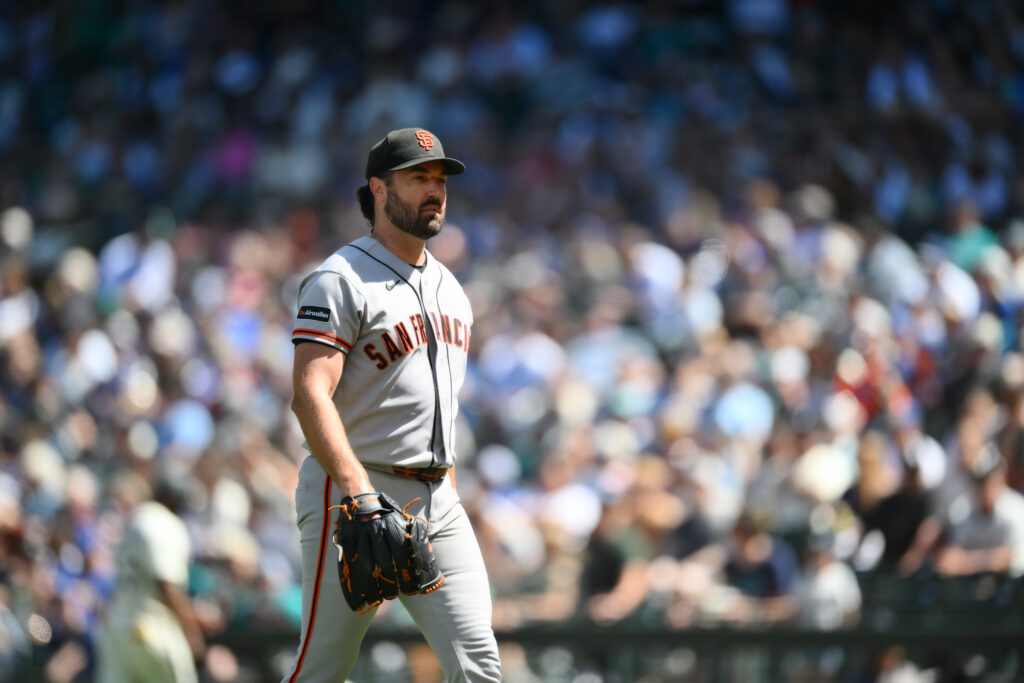
Cubs Hunting Ray, Holmes, Mize + Bullpen in Massive Overhaul
Cubs Shopping for Pitchers: A Simple Guide to the 2026 Trade Deadline
What’s Happening Right Now?
Imagine the Chicago Cubs are like a kid at a candy store—but instead of candy, they’re shopping for pitchers. With the MLB trade deadline approaching on Monday, the Cubs are one of the busiest teams trying to make deals.
The big news: According to The Athletic’s Patrick Mooney and Ken Rosenthal, the Cubs want to add THREE pitchers before the deadline closes.
The Cubs’ Shopping List
How Many of Each?
The Cubs are flexible on the exact mix:
- Option A: 1 starting pitcher + 2 relief pitchers
- Option B: 2 starting pitchers + 1 relief pitcher
Important Point: Starting pitchers begin the game and throw lots of innings. Relief pitchers (relievers) come in later for shorter bursts—usually 1-2 innings. Both are crucial!
Who’s on the Cubs’ Radar?
The Cubs have been linked to SEVEN different pitchers recently. Here’s the "menu" of options:
The Big Names (Star Quality)
| Pitcher | Current Team | Contract Status |
|---|---|---|
| Tarik Skubal | Detroit Tigers | Under team control (not a free agent yet) |
| Freddy Peralta | Milwaukee Brewers | Under team control |
| Reid Detmers | Los Angeles Angels | Under team control |
The "Rental" Pitchers (Free Agents After This Season)
| Pitcher | Current Team | Key Details |
|---|---|---|
| Robbie Ray | San Francisco Giants | Former Cy Young winner (best pitcher award); owed ~$8M rest of year; Giants may pay some salary |
| Casey Mize | Detroit Tigers | Former #1 overall draft pick; scratched from recent start (sign he might be traded) |
| Clay Holmes | New York Mets | On injured list with broken leg (since May 15); doing rehab starts now |
The "Controlled" Young Gun
| Pitcher | Current Team | Why He’s Special |
|---|---|---|
| Emerson Hancock | Seattle Mariners | Team control through 2030! 3.26 ERA this year; only 27 years old; still improving |
The Money Puzzle
Luxury Tax 101
MLB has a "luxury tax" system—teams spending over a certain amount pay penalties.
- First threshold: $244 million
- Second threshold: $264 million (Cubs’ unofficial historical limit)
- Cubs current estimate: $252.3 million
Important Point: The Cubs are ALREADY over the first threshold but under their self-imposed second limit. Adding expensive players pushes them closer to bigger penalties.
What This Means for Trades
- Robbie Ray costs the most money (~$8M remaining salary)
- Giants might pay part of Ray’s salary to get better prospects back
- Cubs prefer spreading money across multiple pitchers rather than one big splash
- Exception: A true ace like Skubal might be worth the extra cost
What Would a Trade Look Like?
The Emerson Hancock Situation
Hancock is the most expensive in trade cost because Seattle controls him for 5+ more years.
Seattle wants: MLB-ready hitters (bats) RIGHT NOW — they’re in "win-now mode" despite recent slump (53-58, lost 8 of 10).
Cubs could offer: Matt Shaw — a top prospect nearly MLB-ready (currently injured).
Important Point: Prospects are young players in the minor leagues not yet in the majors. "MLB-ready" means they could play in the big leagues immediately.
The Rental Pitchers (Ray, Mize, Holmes)
These pitchers become free agents after this season, so they cost less in prospects but more in money (sometimes).
- Giants (Ray) and Mets (Holmes) are out of playoff race → motivated to sell
- Tigers (Mize, Skubal) are 52-58, fringes of race → expected to sell by Monday
- Mize scratched from Friday start = strong sign he’s being traded
The Bullpen Mission
Per The Athletic’s Sahadev Sharma, Cubs also want relievers — specifically:
- Right-handed (preferred but not required)
- High strikeout ability (MOST IMPORTANT trait)
Top Target: Adrián Morejón (Padres)
- Lefty with great strikeout stuff
- Free agent after this season (rental)
- Padres will ask for a LOT in return even though he’s a rental
- Cubs might prefer spending top prospects on a starter instead
Good News for Cubs
Several Cubs relievers are returning from injury soon, which might reduce how many new relievers they need.
Step-by-Step: What Happens Next?
- Cubs evaluate all options — balancing cost (prospects + money) vs. impact
- Negotiate with multiple teams simultaneously (Giants, Mets, Tigers, Mariners, Padres)
- Decide on the "mix" — 1 starter+2 relievers OR 2 starters+1 reliever
- Finalize medical reviews — especially for Holmes (injured) and Shaw (injured)
- Make deals before Monday 6 PM ET deadline
- Integrate new pitchers into roster for playoff push
Summary
The Chicago Cubs are aggressively hunting for three pitchers before Monday’s trade deadline. They’re looking at a wide menu — from superstar aces (Skubal) to rental veterans (Ray, Mize, Holmes) to a young controlled starter (Hancock).
Key constraints: Money (luxury tax), prospect capital (limited top talent to trade), and roster fit. The bullpen needs a strikeout artist, but the rotation is the bigger priority. Several injured Cubs relievers returning soon may ease the bullpen pressure.
Bottom line: Expect the Cubs to be very active — they have the need, the money space, and the motivation to make multiple moves.
FAQ
1. What’s a "rental player" in baseball?
A rental player is someone who becomes a free agent after the current season ends. Teams trade for them just for the remaining months (the "stretch run" and playoffs), knowing they’ll likely leave in winter. They cost less in prospects but sometimes more in salary.
2. Why does Emerson Hancock cost so much in prospects if he’s less proven?
Team control. The Mariners have Hancock under contract through 2030 (5+ years). That’s 5+ years of a good, young, cheap pitcher. Teams pay a massive premium for that certainty vs. a 2-month rental.
3. What is the "luxury tax" and why do the Cubs care?
MLB penalizes teams spending over $244M on player salaries. The Cubs are at ~$252M — already paying penalties. Going over $264M (their historical comfort zone) means much harsher penalties. They want to add talent without blowing past that second line.
4. Why would the Cubs want Clay Holmes if he’s injured?
Holmes has been excellent when healthy (All-Star closer). He’s throwing in minor league rehab games now. If the Cubs believe he’ll return healthy for the playoffs, a few months of a top reliever is worth the risk — especially since he’s a rental (cheaper in prospects).
5. Can the Cubs really get three pitchers? That seems like a lot.
It’s ambitious but possible. They have:
- Financial room (under $264M threshold)
- Prospect currency (though limited at the very top)
- Extreme need (many pitching injuries this year)
- Multiple trade partners selling
Most likely outcome: 2 pitchers (1 starter, 1 reliever) with a 3rd as a bonus if deals align.